







Annapurna Base Camp by Season: Winter 2026-27 to Spring 2027
A season-by-season look at the Annapurna Base Camp trek covering winter 2026-27, spring 2027, the rest of late autumn 2026, monsoon shoulders, lodge closures and snow line behaviour, plus how the guide rule and permits actually work before you set off.

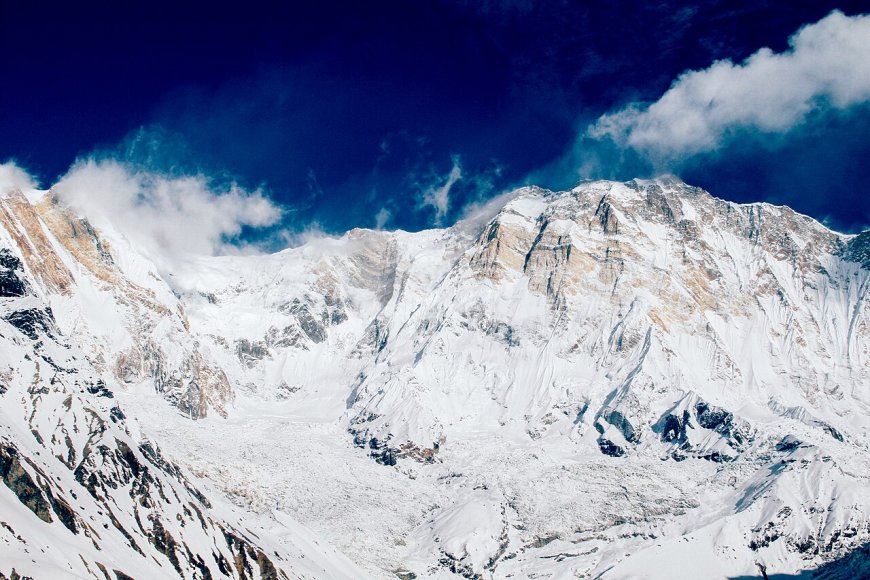
Picking an Annapurna Base Camp trek by season is less about finding the perfect month than about choosing which compromises you can live with. ABC is a teahouse trek, so the mountain does not decide your trip nearly as much as the lodges do. Four things separate one window from another: how much snow sits on the upper trail, how many people are chasing the same beds, how many usable daylight hours you get, and how much cold you are willing to carry. Views matter, but they are only part of the bargain.
What really separates one window from another
Trail traffic comes first. On the popular weeks the villages below the sanctuary fill up, and the last lodges before Base Camp become the hard part of the day. Next is operating status. Plenty of tea houses shut for the deepest part of winter and reopen as the season turns, so a quiet trail can also mean a shorter list of places to sleep and eat. Daylight matters more than most people expect, because short winter days compress the walking hours. Then there is the snow line, which moves up and down through the season and can turn an easy path above the treeline into slow, cold work.
Winter on the Annapurna Base Camp trail, December to February
Winter is the connoisseur's window and the one that punishes bad planning hardest. Mornings often come clear and sharp, the kind of air that makes photographs look staged. But the upper sections are high, cold and snow-affected, some lodges shut, and a storm can close the trail above the last villages for a day or two. Anyone considering Annapurna Base Camp in winter should build slack into the schedule and be ready to turn around. In exchange you get a trail with far fewer people on it, and a quiet that spring walkers never see.
December is the softer end of it. January and February are the coldest and the emptiest, and that is when the lodge closures bite hardest above Deurali.
Spring conditions and the 2027 window
Spring is the forgiving season. Days are longer, trails are open, and the forested sections below the sanctuary turn green and flower. Afternoon cloud is common, morning views are usually the ones worth waking for, and the later weeks get hazier as the pre-monsoon air thickens. For Annapurna Base Camp in spring 2027, book the middle of the window rather than the edges if you want the widest choice of lodges and the most settled walking. Late March and April tend to be the busiest stretch; early March is colder and quieter.
Late autumn 2026 and autumn 2027
If you are reading this in the next few weeks, late autumn 2026 is still open for business. Skies are usually at their most reliable now, the Dashain and Tihar rush has eased, and the lodges are still running. The catch is cold and light: nights below Bamboo are already sharp, days are short, and the snow line is creeping down. Check lodge status before you commit to sleeping at Machhapuchhre Base Camp, because some places shut through early December. Going in the next three or four weeks is a reasonable bet. Going in the second half of December is a different trip.
Autumn 2027 will again draw the heaviest traffic, and the reputation is deserved. An October 2027 trek needs bookings well ahead, especially on the popular stretches. Treat that as a plan to make next year, not a description of anything happening now.
Monsoon and the muddy shoulder weeks
Nepal's monsoon usually runs from mid-June to late September, and that whole stretch is the season to skip unless you know what you are signing up for. Cloud sits low, trails are wet, access roads get unreliable, and a fair number of tea houses simply close. The shoulder weeks are not equal. Late May is hot and hazy but walkable. Early September is usually still wet, often wetter than people expect, with leeches and slick stone steps. Late September is where the odds start improving. Neither shoulder is a plan; both are a gamble on weather.
Crowds, beds and the arithmetic of a busy trail
Talk of Annapurna Base Camp crowds is really talk about bottlenecks. The villages on the approach spread people out; the last two nights before Base Camp do not. In a peak week, plan to stop earlier in the afternoon than feels natural, and accept that the best-known lodges will be full first. Outside the peak weeks the same trail feels like a different place.
Snow line and lodge calendar: what changes week to week
Instead of pinning monthly figures to a mountain that makes its own rules, watch two things. The first is the snow line above Deurali. Through December it drops, and by January the stretch from Deurali up to Machhapuchhre Base Camp can hold enough snow to slow a strong walker to half pace. It usually sits deepest in late January and early February, then retreats through March as the sun gets to work, and by April the bare ground is back above Base Camp itself.
The second is the lodge calendar. Deurali, Himalaya and the MBC and ABC lodges thin out through January, with many shut, and reopen on a rolling basis from late February into March. That reopening is staggered, so the first trekkers of the season sometimes find the village they planned to sleep in locked up. A day of slack fixes that. A tight itinerary does not.
Permits and guides, before you get on the bus
Two documents usually cover this route: an ACAP entry permit and a TIMS card. Since 2023, foreign trekkers have been required to walk with a licensed guide on most routes, including the Annapurna region, and enforcement has been uneven from season to season. In practice that means permits for foreign trekkers are normally arranged through a registered trekking agency, which is also how most people satisfy the guide rule. If you are hoping to trek independently, confirm the current position with the Nepal Tourism Board or NTNC before you pay for anything.
The TIMS card is the shakier half of the pair. There have been repeated moves to merge it with other systems or drop it in some areas, and the situation has changed more than once. Treat TIMS as likely but not guaranteed, and check what is actually being issued when you apply rather than relying on a blog, including this one.
Fees and processing arrangements get revised from time to time, so confirm current figures on the official NTNC and Nepal Tourism Board pages. The process itself is straightforward; it is the paperwork timing that catches people out.
Matching yourself to a window
First-time teahouse trekkers are usually happiest in spring, where the margin for error is widest. Photographers chasing clear mornings should look at late autumn or the depths of winter and accept the cold that comes with them. Walkers who cannot stand a queue should take winter and budget for closed lodges. If your leave is fixed and short, pick the season that matches your dates and prepare for its weaknesses rather than hunting for a perfect one.
One thing cuts across every season: altitude. Base Camp sits at about 4,130 m, and most itineraries sleep at Machhapuchhre Base Camp around 3,700 m the night before. Cold, short days and a rushed schedule make a bad combination, because the classic winter mistake is pushing on to keep warm instead of stopping to acclimatise. Know the headache and nausea signs, do not sleep at Base Camp if you feel wrong, and treat descent as the treatment. Weather can be worked around. Altitude illness cannot be argued with.
What's Your Reaction?