





Best Time to Visit Kanchenjunga in Nepal: Spring vs Autumn, Month by Month
A timing guide to the Nepal side of Kanchenjunga, comparing spring and autumn month by month for the Taplejung villages, the mid-altitude forest and the high viewpoints above the tree line. Written in mid-November 2026, it explains why the high route is finished for the year, why spring is the more forgiving first choice, and what to confirm about permits, guides and lodges before booking for 2027.

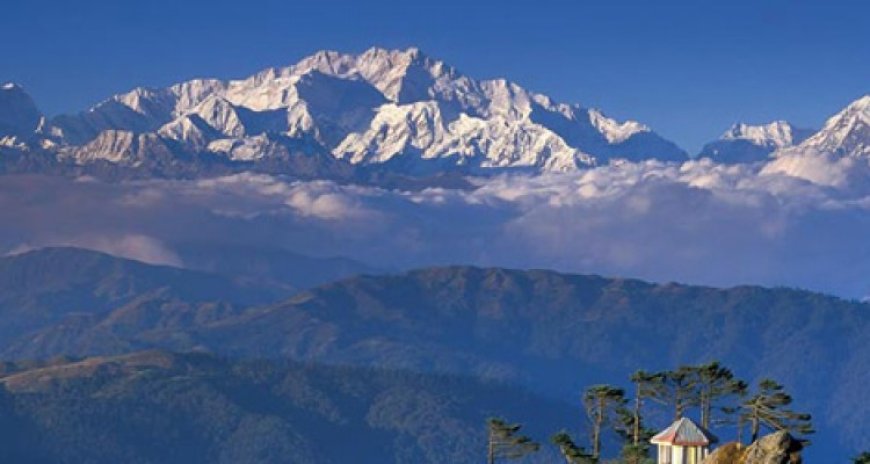
Autumn 2026 is in its last weeks. If you are reading this in mid-November and hoping to be at a high viewpoint in the Kanchenjunga Conservation Area next month, the honest answer is that you have almost certainly missed the window. The good news is that the Nepal side of the massif rewards planning, and spring 2027 is close enough to start booking.
This is a decision guide, not a day-by-day itinerary. It looks at when the trek works at three different heights, because the lower Taplejung villages, the mid-altitude forest and farm sections, and the high viewpoints above the tree line behave very differently in the same month.
Where you actually are on a Nepal-side trek
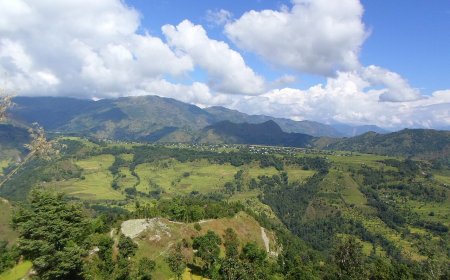
The Nepal approach runs through Taplejung District in the far east of the country, inside the Kanchenjunga Conservation Area, which is a protected area. Most trekkers start with a flight to Suketar or a drive up from Bhadrapur and the Terai, then walk in through villages such as Chirwa, Amjilosa, Yamphudin and Ghunsa before climbing towards the glaciers.
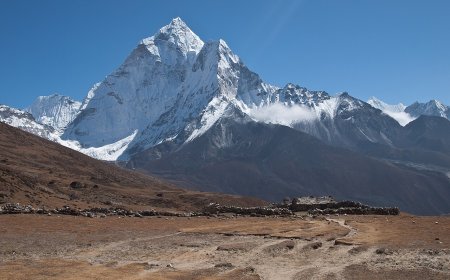
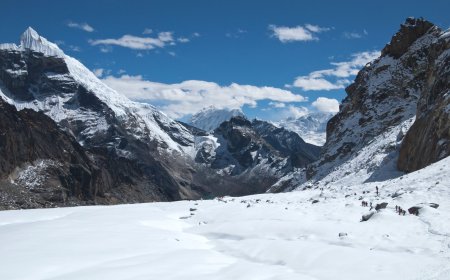
On the Kanchenjunga side, the highest point most trekkers reach on foot is Pang Pema, the north base camp viewpoint. It sits well above the tree line, high enough that altitude illness is a real risk and not a theoretical one. That single fact should shape how you choose your dates: this is not a walk where a rough week can be absorbed.
Nepal side vs Sikkim side
A lot of what you will find online about "Kangchenjunga trekking" describes the Indian approach: Sandakphu, Goecha La, the Darjeeling ridge. Those routes look at the mountain from Sikkim and West Bengal. They involve different permits, different trailheads and a different climate pattern. The Nepal approach from Taplejung is a separate trek with its own rules, lodges and transport. A photo of Sandakphu is not a photo of the Nepal side, and guides often mix the two up.
The short verdict: spring or autumn?
For the high viewpoints and any route that crosses a pass, the two workable windows are roughly mid-October to mid-November and April to mid-May. Autumn gives you more stable air and sharper views. Spring gives you rhododendron, warmer nights and longer daylight, but more afternoon cloud and softer snow bridges on the way up.
My preference for a first Kanchenjunga trek on the Nepal side is spring, mainly because the margin for error is wider. An extra acclimatisation day in April costs you nothing but a day. An extra day in late November can cost you a whole attempt if a lodge has already closed.
Month by month
March
The lower villages and the forest sections come into their own. Rhododendron starts at the lower elevations, lodges reopen after winter, and the trails are quiet. Up high it is still a winter mountain: snow lies on the upper moraine and a pass like Sele Le should be treated as uncertain. Good for a cultural trek, less good for Pang Pema.
April
The strongest spring month. Flowers are out across the mid-altitude band, days are warm enough to walk comfortably, and the high route becomes realistic for fit, well-acclimatised trekkers. Expect cloud building through the afternoon, so plan the big views for the morning.
May
Warmer and hazier, with more meltwater and softer snow. The window tapers towards the end of the month, when most teams on the mountain are making their last summit pushes before the monsoon arrives. Treat late May as the edge of the season, not the middle of it.
June to August
Off-window for most Nepal-side trekkers. Monsoon rain, leeches in the lower forest, landslide-prone road sections and unreliable flights to Suketar will combine to make the approach miserable. Many lodges shut. Some years a determined, well-supported team goes anyway; most people should not.
September
The transition. Early September can still feel like monsoon, with greasy trails and cloud sitting on the ridges. Clearing often arrives late in the month. If you have flexible dates, aim for the last week rather than the first.
October
The classic window. Clear mornings, deep views of the massif, cold but manageable nights. It is also the busiest stretch, so book lodges and guides early. If you want the high viewpoint without the cold of November, this is it.
November
The first half of November can be excellent: crisp air, fewer people, hard frost. From late November, high-elevation trekking and many lodges typically taper off, and the upper camps empty out. If you are reading this on 15 November 2026, the high route is effectively done for the year. The lower Taplejung villages remain walkable for a few more weeks with local advice and a flexible plan.
December to February
Off-window for most. Deep snow, severe cold and closed lodges on the upper sections. Lower-village community treks are possible in places, but you need to confirm which teahouses are actually open and travel with a local guide who knows the current situation.
What else decides your dates
Weather is only half the calculation. Build in acclimatisation and buffer days, because the Kanchenjunga approach is long and the gain is gradual only if you make it so. Check whether the lodges you are counting on are open, especially outside October and April. If your route includes Sele Le, ask specifically about current pass conditions rather than assuming. Domestic flights to Taplejung and the roads from the Terai are both weather-sensitive, so a spare day at each end is sensible.
Finally, decide what you actually want. A summit-view trek and a cultural and community-tourism trek through Ghunsa and the surrounding villages need different months. The second is far more forgiving.
Permits and guides: what to confirm before you pay
You cannot walk this route without a Kanchenjunga Conservation Area permit, and the area is administered under Nepal's protected-area system rather than as an ordinary tea-house trek. Permits and fees are handled through the Department of National Parks and Wildlife Conservation, and entry and visa matters sit with Nepal Immigration.
Nepal introduced a requirement in 2023 that foreign trekkers in trekking areas be accompanied by a licensed guide. Confirm with DNPWC or your operator that it still applies in the form you were quoted, and ask for the operator's licence number. I am not printing fee amounts or current rule details here, because they change and stale numbers are worse than none. Get the current position from DNPWC and Nepal Immigration directly, and get your operator's confirmation in writing before you transfer money.
Hazards worth knowing about
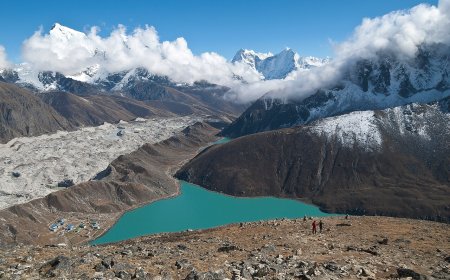
The Kangchenjunga basin has a history of glacial lake outburst floods, and the upper valleys carry the moraine and debris to show for it. That is landscape history, not a forecast for your trip, but it explains why the terrain above Ghunsa looks the way it does. Landslides are a live issue on the road approach in the monsoon months.
Follow current local guidance and your guide's judgement, and check conditions close to departure rather than months ahead.
If you are planning from today
For 2026, the high trek is over. What remains is lower-route walking in the Taplejung villages, with short days and cold nights. For Pang Pema and the upper glaciers, the next realistic window is April to mid-May 2027, with March as a quieter option for the lower and middle sections.
What's Your Reaction?