


Gulmi District Guide: Tamghas, Resunga and the Coffee Hills of Lumbini
A practical guide to Gulmi district in Nepal's Lumbini Province: road approaches to Tamghas, the Resunga hill walk, Ruru Kshetra and Ridi on the Kali Gandaki, coffee season, and honest advice on weather, cash and connectivity. Deliberately free of figures we can't verify.

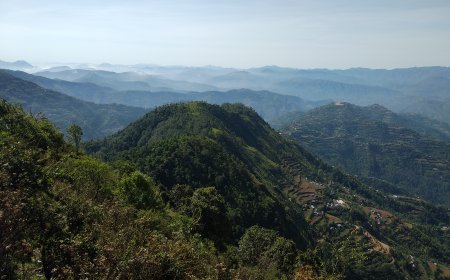
Gulmi is one of those Nepali hill districts that almost nobody puts on a first itinerary, and that is a large part of its appeal. It lies in Lumbini Province, west of Palpa, with the Kali Gandaki running along its eastern edge and a knot of ridges and side valleys filling the space in between. There is a working district headquarters at Tamghas, a pilgrimage hill at Resunga, a riverbank temple at Ruru Kshetra, and a lot of coffee growing on the terraces in between.
This guide sticks to what can be described honestly: how people get in, what is worth the walk, how the seasons behave, and where the practical gaps are. We have left out population totals, exact elevations and precise drive times on purpose. They differ by source, they change, and a wrong number is worse than no number.
Getting to Gulmi
There is no airport and no railway. Everyone arrives by road, and which road you take shapes the trip.
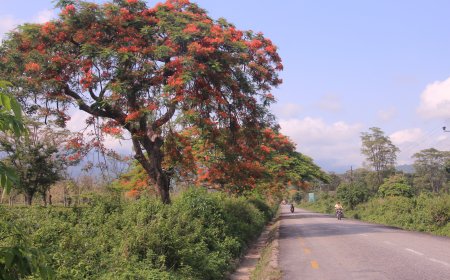
From Kathmandu the usual approach is the highway west to Butwal, then north through Tansen in Palpa and on to Tamghas. Buses and shared jeeps cover the Palpa leg; from Butwal you will find a mix of buses and smaller vehicles, and the last stretch is slow whatever you are sitting in. From Pokhara the road runs through Syangja, though services on that side are thinner, so ask before you set out rather than assuming a daily departure.
A second approach comes up from the Terai to Ridi Bazaar on the Kali Gandaki and then climbs to Tamghas. It is useful if you are coming from the west or want to break the journey at the river.
Two things to plan around. Hill roads here are cut into steep ground and a monsoon landslide can close one for hours or days, so build slack into any onward booking. And the last vehicles of the day leave earlier than you expect. Ask at the counter what time the final jeep goes, not what time the first one does.
Tamghas and Resunga
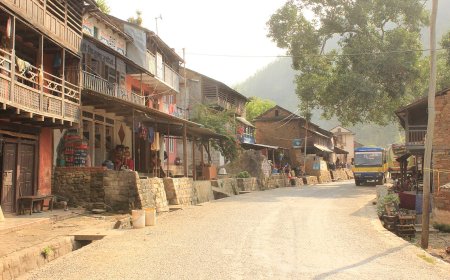
Tamghas is a small bazaar wrapped around a ridge, with lodges, tea shops, a bank or two and the district offices. It is not a destination in itself, but it is the right base: everything in the district is measured from here, and the people who can answer your questions about roads and buses are all within a few minutes' walk.
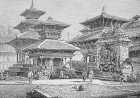
Gulmi was one of the Baise principalities before unification, and the old royal seat is remembered at a place now simply called Gulmi Darbar. If you have an interest in that period, the ruins are a short trip out of town and worth an hour.
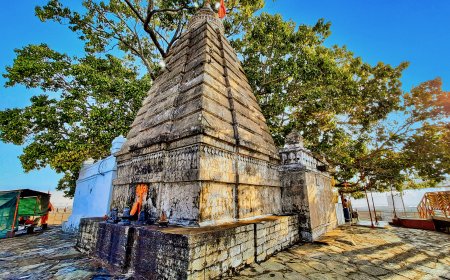
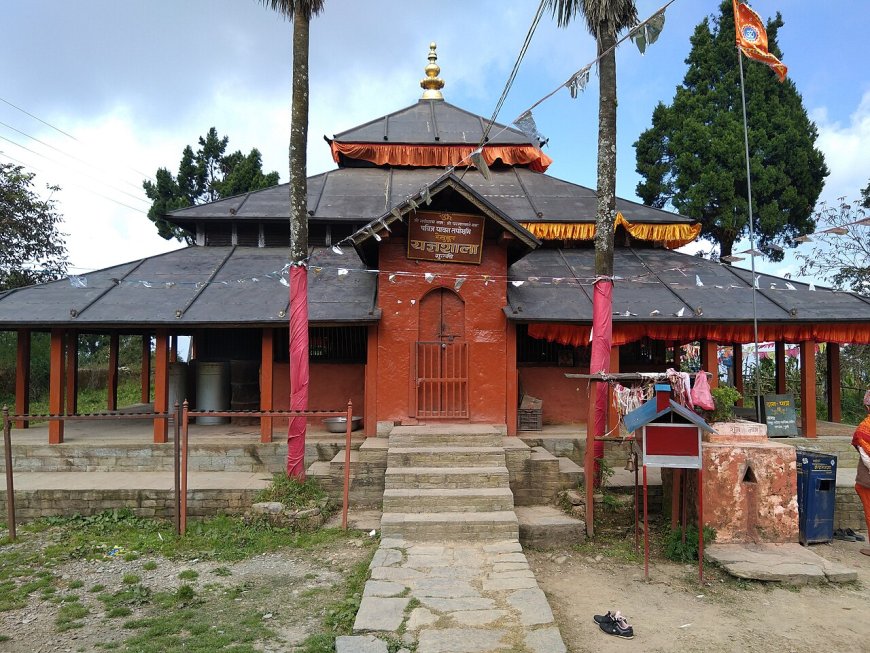
The hill above the town, Resunga, is the district's signature walk. A trail leads up through community-managed forest to a shrine on the ridge, and the upper slopes are good for birds early in the morning. On a clear day the high Himalaya shows along the northern horizon. Pilgrims come up for festivals that follow the lunar calendar, which means the dates move each year; check with anyone in town before planning around one. Sunrise is the usual reason people climb, and it is a cold wait, so take a jacket.
Ruru Kshetra and the Kali Gandaki
On the eastern side of the district, the Kali Gandaki cuts a broad, stony bed between high banks, and Ruru Kshetra sits on it. The site is associated with the sage Ruru and is visited for rites connected to ancestors, which gives it a quieter, more purposeful atmosphere than a sightseeing stop. Be respectful of people who are there for that reason.
Ridi Bazaar, on the same river, is the other anchor on this side: a market and crossing point with the Rishikesh temple and a suspension bridge. The water is fast and cold and the crossing is not a place to linger in the middle. Both Ruru Kshetra and Ridi are places where a fair can transform a quiet riverbank into a crowd overnight, and again the dates follow the lunar calendar rather than the Gregorian one, so confirm locally.
Coffee, ginger and farm stays
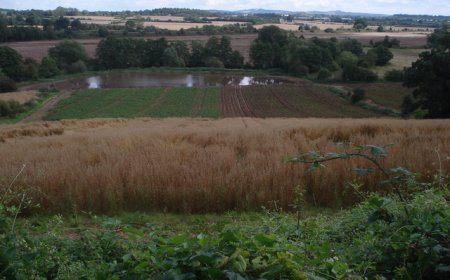
Gulmi's economy is terraced agriculture: maize and millet on the upper fields, citrus and ginger lower down, and coffee, which has become one of the district's more visible crops. Coffee in Nepal's mid-hills is grown by smallholders, and picking usually runs from late autumn into winter, followed by processing at cooperatives and small mills.
If you want to see any of this rather than just photograph it, go through the cooperatives or the district agriculture office in Tamghas rather than turning up at a farm gate. A few villages run community homestays, but they are usually arranged by phone through a local committee rather than through online booking sites, so ask in town first. Understand that during harvest nobody has spare time for a tour, and offer to pay properly for the ones that do.
When to go, and what to know before you do
- October to November: the best window. Post-monsoon air is clearest, the festivals are on, and the coffee harvest is starting.
- December to February: cold mornings and good visibility, very quiet. Ridges can see frost, and the highest points occasionally get snow.
- March to May: hot and hazy lower down, rhododendron on the ridges, afternoon storms building before the monsoon.
- June to September: landslide season. Roads get cut, trails turn to mud, and travel plans need to be loose. Not the time for a fixed itinerary.
Carry cash. ATMs in Tamghas exist but can be empty or offline, and card payment outside the bazaar is rare. Small notes matter for buses and tea. Mobile coverage is reasonable in towns and patchy in the valleys. There is no large hospital in the district, so bring any medication you rely on and expect a referral to Tansen or Butwal for anything serious.
No restricted-area permit is required for Gulmi. Nepali is the working language; English is common in offices and rarer on buses. And the roads, bus timings and homestay phone numbers in this guide are exactly the details most likely to have changed by the time you read them, so treat them as a starting point and confirm the day before you travel.
What's Your Reaction?