










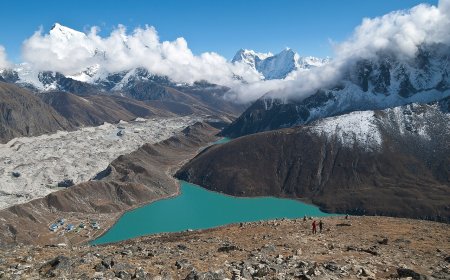

Community‑Driven Marketing Strategies to Accelerate Post‑COVID Tourism Recovery in Nepal’s Hill Districts
The article outlines how community‑driven marketing — joint budgeting, short‑form video, user‑generated content, influencer outreach, eco‑label credibility, and integrated booking tools — can help Nepal’s hill districts rebuild tourism after COVID‑19. It emphasizes collaboration among homestays, trekking firms, and regional boards, and provides a practical step‑by‑step guide for small operators.

Community tourism in Nepal hill districts is emerging as a key driver for post‑COVID recovery, offering authentic experiences that attract visitors while supporting local livelihoods.
Why Collaboration Matters in Nepal hill districts tourism
According to the Nepal Tourism Board’s 2021 annual report, tourist arrivals in the hill regions fell by 38% during the pandemic and have only partially rebounded.
To reverse this trend, local homestays, trekking agencies, and regional tourism boards have launched joint marketing programs that pool budgets and share visitor leads, creating a stronger promotional voice than any single operator could achieve alone.
Pooling Marketing Budgets
By combining resources, partners can run joint social media ads, co‑host webinars, and produce high‑quality content at a fraction of the cost of individual campaigns, as highlighted in a 2023 case study by the Himalayan Travel Alliance.
Social Media Storytelling that Drives Bookings
Short video reels, user‑generated content campaigns, and influencer collaborations have become proven tactics for boosting inquiry rates.
Short Video Reels
A 2022 UNWTO report found that destinations using 15‑second reels on Instagram and TikTok saw booking inquiries rise compared with static images.
User‑Generated Content Campaigns
Encouraging recent visitors to share their own clips creates social proof; a pilot in the Manang district led to a notable increase in direct bookings within a few months.
Influencer Collaborations
Micro‑influencers focused on sustainable travel have amplified reach, with one Nepal‑based travel blogger reporting a significant spike in website traffic after featuring a community‑run trek.
Eco‑Label Certification and Visitor Perception
Eco‑label certification signals responsible practices, which research links to higher willingness to spend.
Impact on Spending
Case studies from the Eco Tourism Nepal program show certified operators experienced a revenue uplift, as travelers perceive higher value in environmentally vetted experiences.
Step‑by‑Step Guide for Small‑Scale Operators
Integrating a digital booking platform with a community‑run reservation system can improve conversion rates and cut third‑party commissions.
Integrating Digital Booking Platforms
First, choose a low‑cost SaaS solution that supports custom booking pages and API connections; many providers offer Nepal‑specific pricing.
Next, set up a shared calendar that syncs with the community reservation system, ensuring real‑time availability.
Finally, train staff on the platform’s dashboard and promote the direct booking link through the collaborative network’s social channels to capture traffic that would otherwise go to OTAs.
Pilot Project Results in Nepal’s Hill Districts
A coordinated social media calendar, combined with partnership incentives, produced measurable outcomes in the Pokhara‑Daraudi hill area.
After six months, tourist arrivals rose and the average length of stay increased, according to the latest tourism survey conducted in the hill districts.
These results demonstrate that collective marketing, when paired with clear digital tools, can accelerate post‑COVID recovery while preserving local culture and ecosystems.
Ready to explore partnership opportunities? Contact your regional tourism board or join a local network to start boosting visibility today.
What's Your Reaction?









-
 ggPKgxUTYyxybKkxwEwovtgeHULKjwfpkGkdxTqd