






Dhaulagiri Base Camp Trek: What to Sort Out Before You Commit
Dhaulagiri Base Camp is a remote, high-altitude trek in western Nepal that rewards experienced walkers with quiet trails and hard logistics. This planning guide skips route specifics and fixed figures on purpose, covering instead what actually decides the trip: altitude and acclimatisation, fitness that matches the terrain, seasonal trade-offs, how to check current permit rules, how to weigh an agency against going independently, and the questions worth asking before you commit.

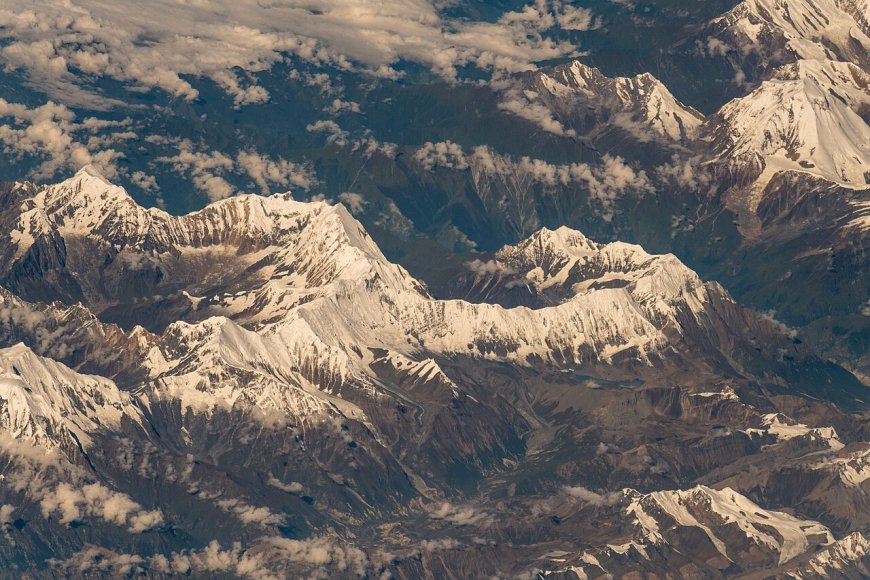
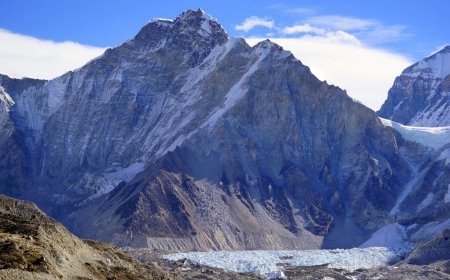
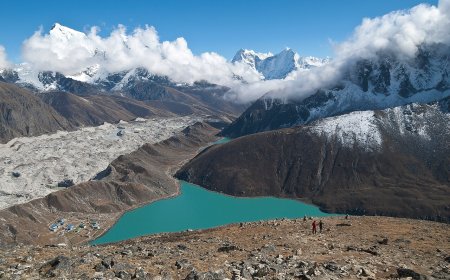
Dhaulagiri Base Camp is one of the quiet objectives in Nepali trekking. The mountain stands in the Dhaulagiri Himal, west of the Annapurna massif, and the valleys beneath it see far fewer walkers than the circuits further east. That quiet is the appeal. It's also the reason the trek is harder to plan than a well-trodden teahouse route: fewer people go, so the information going around is thinner, older, and harder to check.
This piece is about planning and judgement, not a day-by-day route description. There's no stage-by-stage itinerary here, and that's on purpose. More on why in a moment.
Why there's no day-by-day route here
Any trek description has a shelf life. Roads get pushed further up valleys, teahouses open and close, bridges are rebuilt in different places, and a route that made sense ten years ago can now start three hours' drive further in than it used to. A guide written from memory, or copied from someone else's trip report, doesn't just go stale. It goes wrong in ways you only discover with a loaded pack on, halfway through a day that's longer than you planned for.
So treat any route description you find, including a good one, as a starting point with a date on it. When you talk to an operator, ask when the route was last walked and whether the first and last walking days still look the way they're written down. A guide who can answer that specifically is worth more than one who recites a fixed itinerary.
What kind of trek this actually is
Dhaulagiri Base Camp is a high, remote, sustained walk in the shadow of a big Himalayan peak. It is not a gentle introduction to trekking in Nepal, and it's not a trek you fit into a short window. The approach is long, the altitude is serious, and the weather up there does what it wants.
Support levels vary. Some sections of the Dhaulagiri region have teahouses, others realistically mean camping, and what's available shifts from season to season as lodges open or shut. That mixture is the single most important logistical question to settle early, because it decides how much you carry, how much you pay, and who you need with you.
Who it suits, and who it doesn't
It tends to suit people who have already done a high-altitude trek and know how their body behaves above the tree line. It suits people who are comfortable being cold, being dirty, and eating plainly for a couple of weeks. It suits people who can hold a plan loosely.
It's a poor fit for a first Himalayan trek, for anyone with a hard return-flight date and no slack, and for anyone whose idea of a good holiday requires a hot shower at the end of every day. None of that is a flaw in the trek. It's just what you're signing up for.
Altitude is the thing that decides the trip
Not fitness, not gear, not budget. Altitude. A strong person who climbs too fast gets sick, and a moderately fit person who climbs slowly and takes the rest days usually doesn't. Whatever itinerary you end up with, look at how it handles acclimatisation before you look at anything else, and be suspicious of any plan that shaves days off the ascent to fit a schedule.
Learn the symptoms of acute mountain sickness before you go, and take them seriously in yourself rather than waiting for someone else to notice. The rule that matters is simple. If symptoms are getting worse, you go down. Not tomorrow, not after one more night. Down.
On medication and prophylaxis, talk to a travel doctor rather than a blog, including this one.
Fitness, honestly
Gym cardio helps less than people expect. What the trek actually asks of you is carrying weight, for hours, day after day, at altitude, including long descents that punish your knees. Train by walking with a loaded pack on hills, and train the descending too. If you can do consecutive long days without needing two days to recover, you're in reasonable shape for it.
Season and weather
The usual trekking windows in Nepal are the post-monsoon months and the spring, and the Dhaulagiri region broadly follows that pattern. Post-monsoon generally brings clearer air and settled weather; spring brings warmer days and more colour, with a higher chance of afternoon cloud and snow higher up. Winter is cold and the high sections get difficult or impassable. Monsoon means rain, cloud, leeches on the lower approach, and a real chance that mountain flights don't run.
The part people underestimate is that these are broad patterns, not promises. Ask your operator what the last few seasons have actually done up there, and build in a buffer at the end for a cancelled flight or a delayed descent.
Permits and paperwork
I'm deliberately not going to tell you here what permits you need, what they cost, or whether you can go without an agency. Those rules are set in Nepal, they change, and the offices that issue them change too. A blog post, an old forum thread, or an operator's marketing page is not a reliable source for any of it.
What you should do instead: check current requirements with the relevant Nepali authority, either the Department of National Parks and Wildlife Conservation or the Nepal Tourism Board, and confirm in writing with whoever is organising your trek. If you're arranging things yourself, ask the same question directly and get an answer you can point to. If the answer you get sounds vague, that's information too.
Agency or independent: the real trade-off
Going with an agency costs more, and what you're buying isn't just logistics. It's camping equipment moved for you, food, a leader who has walked the route before, help reading a sick trekker, and a plan for getting someone out if it comes to that. In a remote valley, that last part is the one that matters.
Organising it yourself is cheaper and gives you control over your own pace. It also puts every decision on you, in a place where an error is more expensive than it would be on a busier trail. Neither choice is wrong. Just be honest about which one matches your experience rather than your budget alone.
Questions worth asking before you pay a deposit
- When was this route last walked by your team, and what changed since?
- What's the teahouse and camping mix, and who carries the camping kit?
- How many rest days are built into the ascent, and where?
- What's the evacuation plan, who authorises it, and who pays for the helicopter?
- What insurance are you asking me to hold, and does it explicitly cover trekking to this altitude?
- What training does the leader have in first aid and altitude illness?
- What happens to the plan if weather or a landslide closes a section?
- What's included in the quoted price, and what's usually added on top?
- How big is the group, and what's the maximum?
- Can I speak to someone who did this trip with you recently?
How to think about cost
I'm not giving you a figure, because any number I wrote would be out of date, would vary with group size and season, and would be taken as a benchmark it isn't. What I'd suggest instead is comparing itemised quotes rather than totals. The cheap quote usually has a reason for being cheap, whether that's a smaller support team, shared tents, fewer rest days, or food and permits charged separately at the end. The expensive quote might be over-staffed for a small group. Ask what's excluded, then compare.
Judging the information you find
Every guidebook, blog and operator page has a date. Anything more than a few years old is a starting point, not a plan, especially where the route, roads and facilities are concerned. The most useful things you can find are recent first-hand accounts from people who walked it, and a Nepali agency whose staff can tell you what the trail looked like this season. Cross-check the specifics. If two sources disagree about where a day ends, believe the more recent one and confirm it again.
What to do next
Decide honestly whether your experience matches the trek. Pick your season with a buffer on either side. Get current access and permit requirements from the authority rather than the internet. Then interrogate whoever is running your trip until you're satisfied that the plan reflects the route as it is now, not as it was in someone's memory. The quiet is worth the homework.
What's Your Reaction?