











Domestic Flights in Nepal 2026: How to Book, Verify Your Ticket, and Handle Weather Cancellations
A practical guide to booking domestic flights in Nepal in 2026: how to check the operating carrier and departure airport before you pay, verify your PNR and e-ticket on the airline's own system, and handle weather cancellations, including the seasonal Lukla shift to Manthali.

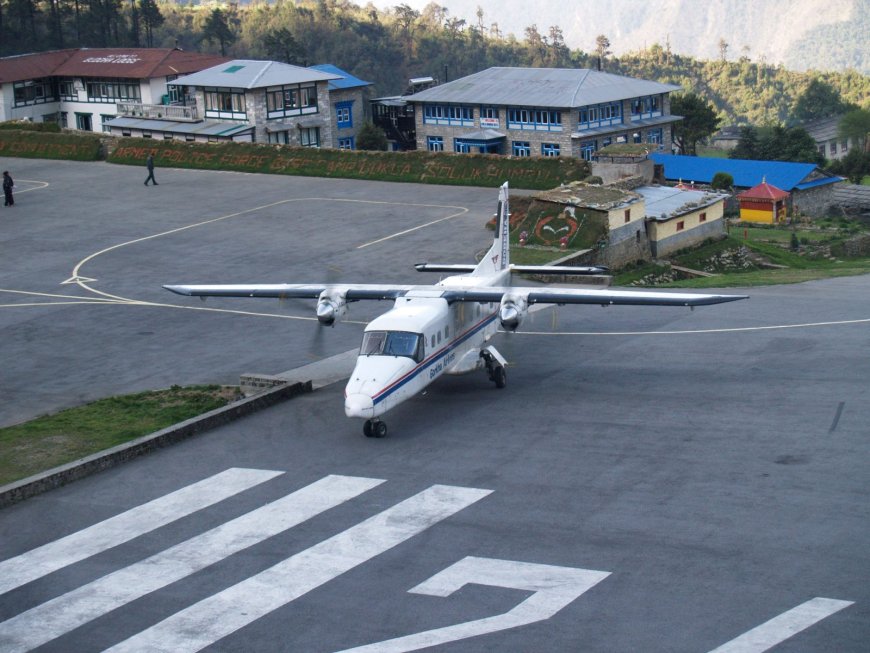
October is peak season in Nepal, and domestic seats move fast. Flights out of Kathmandu toward Pokhara, Lukla and Bharatpur sell out weeks ahead, and by December the Terai airports often start losing their early departures to fog. Booking domestic flights in Nepal is not complicated, but it goes better if you do three things in the right order: pick the flight with your eyes open, verify the ticket that comes out of it, and know what to do on the morning the weather says no.
This piece will not hand you a table of baggage weights, change fees or check-in cut-offs. Those numbers sit in each airline's fare rules and conditions of carriage, they differ from fare to fare, and they change. What follows is a process you run yourself: confirm which airline is actually flying you, check that a ticket really exists in that airline's system, and handle a weather cancellation without guessing.
Before you compare prices, look at the schedule
Most people open a comparison site first. Do it the other way round. Go to the operating airline's own website and find its schedule for your date and route. Two things you want from that visit: which carrier actually flies it, and which airport it leaves from. In Nepal that second question has a habit of catching people out.
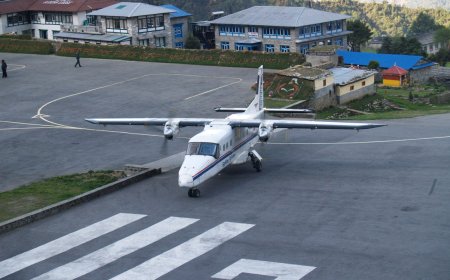
Lukla is the clear example. Through the peak trekking months, several airlines shift their Lukla departures out of Kathmandu and fly from Manthali, in Ramechhap district, about a four to five hour drive east of the capital when the road behaves. You leave Kathmandu by road in the small hours, take the short flight to Lukla, and start walking. This is not a detail you can sort out at the counter, because the plane genuinely is not leaving from Kathmandu on those dates. If your trek starts in October or November, confirm the departure airport on your own booking before you pay, and put the road transfer into both your itinerary and your budget. The same flight number can mean a very different morning depending on the season.
Booking domestic flights in Nepal: who actually operates the plane
If a booking page says "operated by", read that carefully. Those words mean the airline selling you the seat may not be the one flying the plane, and when the two differ, the rules that govern your trip are usually the operating carrier's: its fare conditions, its baggage limits, its check-in cut-offs, and its call on whether the flight goes. Look for the phrase, then open the operating airline's own website or app and search the flight number. If it shows up there with the same date and timing, you have something solid to work from. If it does not show up at all, ask why before you pay.
How to judge a booking channel
There is no reliable public list of "authorised" agencies, and any article that hands you one is probably recycling a list from years ago. Work down from the source instead.
First choice is the operating airline's own website or app, or its city and airport ticket office. Second is an agent the airline itself names. Some airlines publish a list of the sales agents they deal with on their own site; if the one you are flying publishes such a page, check that the agency in front of you appears on it, and note the date on the page. If no such list exists, call the airline's own office and ask. Third comes the online travel agency. OTAs are perfectly usable for comparing schedules and prices, but treat them as a shopfront, not as proof.
Do not assume an agency is authorised because its Facebook page looks professional or because the hotel desk recommended it. Recommendation is not accreditation.
Verify the PNR and e-ticket yourself
A confirmation email from an OTA proves you paid someone. It does not prove the airline issued a ticket. The check takes two minutes.
Go to the operating airline's own website or app and find the section usually labelled manage booking, my booking, check booking status or something similar. Enter the booking reference, often a six-character code, plus the surname of a passenger exactly as written on the booking. The airline's system will then show you the passenger name spelling, flight number, date, route, departure time, airport or terminal, and the booking status. Confirmed is what you want. Waitlisted, on hold or pending means you do not yet have a seat.
Look for the ticket number as well, typically 13 digits starting with the airline's own code. That number is the clearest sign that the airline, not just the agency, has issued your ticket. If the booking appears without one, it may simply not have been issued yet, so contact the airline or the seller and get it in writing before you travel.
One more thing while you are in there: read the fare conditions attached to your booking. Change rules, refund eligibility and no-show terms all live in that document, not in the email summary.
The short checklist before you pay
- Confirm the operating carrier, not just the airline whose logo appeared in the search result.
- Confirm the departure airport for your date. This matters most on Lukla and other mountain routes.
- Ask whether the ticket is issued immediately or held.
- Read the fare rules for changes, cancellation and refunds.
- Get baggage limits and check-in deadlines from the operating airline's current fare rules or your e-ticket, not from a blog, including this one.
- Check airport and terminal details on the airport's own current passenger information page, since terminals get reshuffled.
- Build in a weather buffer if your onward plan depends on a same-day connection. Winter morning departures out of the Terai are usually the first to slip.
When weather cancels your flight
Check your flight status through the operating airline's official channel before you leave for the airport, and again on the morning itself. Airline apps and websites usually post status changes before the counters get busy.
If the flight is cancelled, get confirmation in writing or electronically, by email, SMS or an app notification, and note the booking reference on it. Then ask the airline directly about the next available flight, standby options, a refund, or whether a change fee will be waived. Get that answer in writing too. Verbal assurances at a crowded counter are worth very little an hour later.
Keep every receipt and message: the extra hotel night, the taxi, the meals. And be realistic about what weather means. Weather is generally treated as outside the airline's control, so the usual outcome is a refund or a rebooking under your fare rules rather than compensation. Nepal does not have a general weather-delay compensation scheme, and the regulator here, the Civil Aviation Authority of Nepal (CAAN), does not publish one. Anyone telling you otherwise should be able to show you the exact rule, the body that issued it and a date.
Insurance is a wording exercise, not a feeling
Before you rely on a travel policy, read how it defines weather, delay, cancellation and trip interruption, because those definitions decide everything. Check the exclusions, the window for filing a claim, the documents it demands, and whether you are required to pursue a refund from the airline first. Find the 24/7 assistance number and save it offline.
None of this makes a cancelled flight pleasant. But a verified ticket, a written cancellation notice and a policy you have actually read put you in a far better position than standing at a counter hoping the person next to you knows what happens next.
What's Your Reaction?