






Everest base camp trek: permits, glacier waste, tips
A practical guide to planning an Everest base camp trek in 2027, covering the latest permit proposal, the recent Khumbu glacier waste report, and a clear checklist on permits, insurance, acclimatisation, season choice and buffer days.

The 2026 spring climbing season on Everest is finished, the monsoon has cleared, and autumn trekking traffic through the Khumbu is in full swing as I write this on 2 October 2026. Two recent items about Mount Everest in Nepal are worth your attention, but only one of them is a rule you might need to plan around. Here’s what is actually on the record, followed by the practical part that matters most when you’re putting money down on an Everest base camp trek.
Permit changes are still a proposal, not a rule
In July 2026, Explorersweb reported that adjustments to Nepal's Everest permit system were under discussion and out for consultation. That is where things stand today. I have not seen any confirmation that these proposals have been adopted, and I am deliberately not quoting any figures or rule details as if they were already in force, because a proposal and a gazetted change are two different things.
It’s important to note that other permit adjustments – such as the royalty revision announced in 2025 and updated experience/guide requirements – were already in force for the 2026 spring season. The current consultation concerns possible further changes, not the existing rules.
If you are booking through an operator, ask clearly whether the price quoted reflects the rules currently in force or a proposal still under consultation. If they cannot tell you which, that is a warning sign. For authoritative information, check the Department of Tourism (which issues climbing permits) and the Nepal Mountaineering Association (which handles trekking‑peak permits). Look for their own published notices, not a blog post or a screenshot circulating on social media.
The Khumbu glacier waste report (1 October 2026)
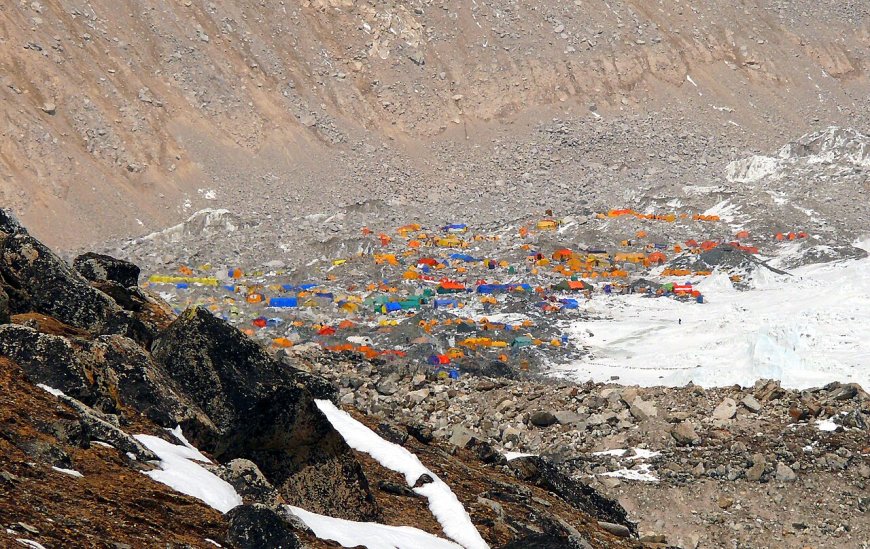
On 1 October 2026, SnowBrains published a report on contamination on and around the Khumbu Glacier, including human waste. I am citing it as a dated news article, one day old when this was written, and not as a settled scientific conclusion. I have not read the underlying study, so if waste management on the glacier influences how you feel about the trip, go to the original source and decide for yourself. This sits alongside a longer‑standing conversation about the waste left behind by a busy Everest season.
Planning an Everest base camp trek: start with the checklist
- Permits: You need a Sagarmatha National Park entry permit and the local rural municipality entry permit. Confirm the current requirement with the Department of Tourism or your operator before you travel.
- Insurance: Trekking cover that extends above 5,000 m, includes helicopter evacuation, and does not exclude altitude illness.
- Ascent profile: Rest days built into the itinerary, not added at the last minute.
- Season: Pre‑monsoon (March‑May) or post‑monsoon (late September‑November); book early to secure your preferred dates.
- Buffer days: At least two, because Lukla flights and helicopter services do not run on your schedule.
Permits and who to verify them with
In recent seasons, trekkers entering the Khumbu have needed a Sagarmatha National Park entry permit and a permit from the local rural municipality; the general TIMS card does not apply in this area. Do not rely on any fee table you find online, including this one, as the final word – fees and rules change. Instead, ask the Department of Tourism or the Nepal Mountaineering Association for their latest published notice, and request that your operator show you the current requirement in writing. For climbing permits specifically, the Department of Tourism is the authority that matters.
Insurance and helicopter evacuation cover
Everest base camp sits at roughly 5,364 m and Kala Patthar around 5,545 m, so a policy that only covers trekking up to 4,000 m or 5,000 m is insufficient for the trip you are planning. Read the altitude ceiling line by line. Then verify three more details: that altitude illness is not excluded, that off‑itinerary or independent trekking is not excluded, and whether the insurer pays the helicopter operator directly or expects you to pay and claim later. That last point matters when you are the one needing the flight. Remember that helicopters do not fly at night and do not fly in poor visibility, which is why buffer days belong in the plan.
Disclosure: This site may earn a commission from affiliate links, but that does not influence the advice given here.
Acclimatisation, ascent profile and altitude illness
Altitude is the single biggest factor you can control. A sound itinerary climbs gradually, spends a night at Namche before moving higher, and includes rest days rather than treating them as optional. Never ascend with symptoms, no matter what day of the itinerary it is. Acute mountain sickness often appears as a headache with nausea, dizziness or poor sleep. More serious warning signs include confusion, unsteady walking or drowsiness (possible HACE) and breathlessness at rest, a persistent cough or gurgling sounds (possible HAPE). The treatment for both is descent, together with oxygen and medical help. Diamox is prescription‑only, so discuss it with a travel doctor before you leave, not with a stranger in a lodge. If you feel unwell and your guide says descend, do so immediately.
Season windows and weather
The two main windows are pre‑monsoon (roughly March into May) and post‑monsoon (late September into November). Both tend to bring clearer skies and more crowds. December to February is colder, quieter and often beautifully clear, though temperatures can be very low. The monsoon months of June to August bring cloud, rain and unreliable flights.
Since the 2023 spring season, some Lukla flights have operated from Manthali in Ramechhap district instead of Kathmandu, due to airport congestion. This arrangement has continued through the 2024 and 2025 seasons and is expected to remain an option for 2027 unless otherwise announced. Ask your operator which airport you will be flying from before you book your international ticket.
So should you book now?
Nothing in the current permit consultation blocks a 2027 booking, because nothing from that discussion has been adopted yet. What you can control is your choice of operator, the wording of your insurance policy, the inclusion of proper rest days, and the addition of buffer days. Get those four elements right and the remaining uncertainty becomes manageable.
What's Your Reaction?