




Ilam Travel Guide 2026: Kathmandu to Ilam via Birtamod and the Mechi Highway
A practical framework for travelling from Kathmandu to Ilam via Birtamod and the Mechi Highway, covering the road and flight options, the Kakarbhitta border entry, the best months to go, and how to behave in the tea gardens and at Mai Pokhari. Prices, timetables and permit rules are deliberately left out because they change; the guide tells you what to confirm and where to confirm it.

Ilam Travel Guide 2026: Kathmandu to Ilam via Birtamod and the Mechi Highway
Getting to Ilam takes a while, and that is part of the point. This guide sketches the usual route from Kathmandu, the two practical ways in, and what to expect once you are among the tea gardens. I have deliberately left out prices, timetables and permit fees, because those move around and you are better off hearing them from the operator than from a page you read weeks ago.
Where Ilam Is
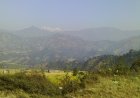
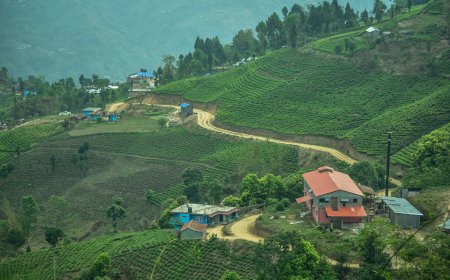
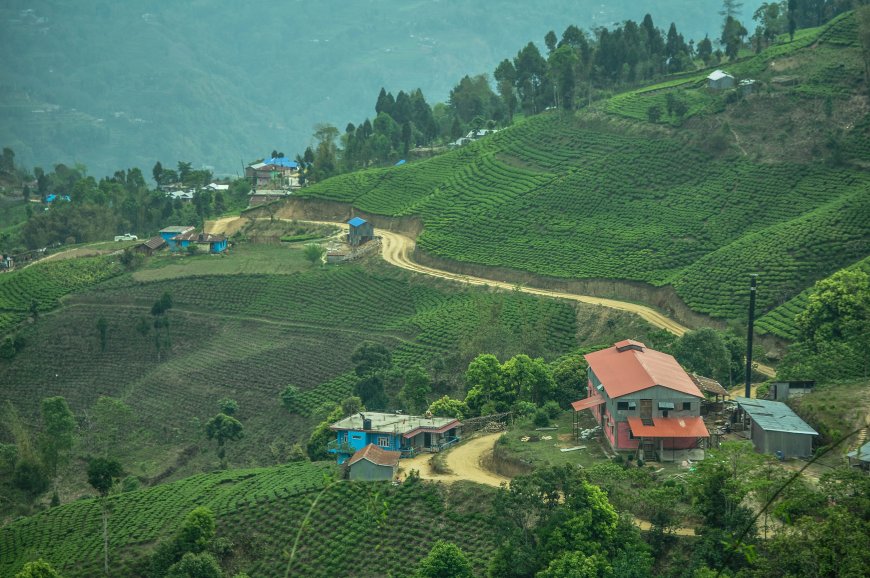
Ilam is a hill district in Koshi Province, east Nepal, sitting between the Terai plains and the Indian border. Tea gardens run along much of the ridge line, villages sit between them, and Mai Pokhari, a Ramsar-listed wetland, lies a short drive from the district headquarters town, also called Ilam. If you want the wider picture of the province, our Koshi Province overview covers the geography.
The Standard Route: Kathmandu to Birtamod, Then the Mechi Highway
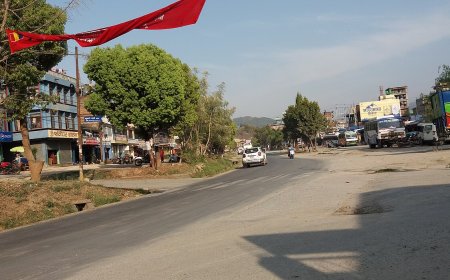
Almost everyone goes by road. Long-distance buses leave Kathmandu from the Gongabu, Koteshwor and Kalanki terminals heading east to Birtamod in Jhapa, usually overnight. Birtamod is the gateway. From there you pick up the Mechi Highway, which climbs north through the foothills and up into the hills, ending in Ilam town after a few hours of switchbacks.
Fares depend on the operator, the bus class and the season, and the same goes for exactly where you board. Confirm the operator, boarding point and fare with the bus company or at the terminal a day or two before you travel rather than trusting any number you read online. For the Birtamod to Ilam leg, local buses and shared jeeps run through the day. A shared seat is charged per person; hiring the whole jeep is a different arrangement at a different price. Ask which one you are paying for before you get in, because the two get mixed up a lot.
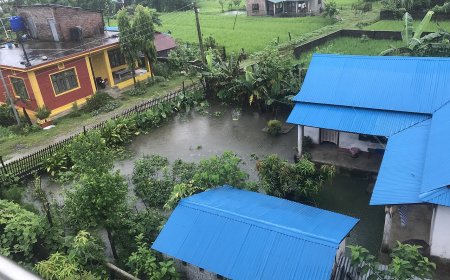
The Mechi Highway is generally sealed, but this is hill country. Monsoon rain brings landslides and short closures, and even outside the monsoon a fresh slip can hold you up for hours. Check road status the morning you travel. Bus company updates and Department of Roads notices tend to be more useful than the weather forecast.
Flying to Bhadrapur, Then the Same Road
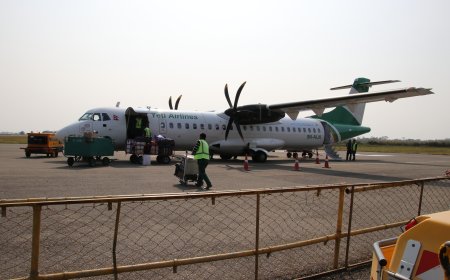
Bhadrapur, also known as Chandragadhi, is the nearest airport, with daily flights from Kathmandu. The flight is short, well under an hour. From the airport it is a quick taxi ride to Birtamod, and then you join the same Mechi Highway climb to Ilam. Weather can ground flights in the Terai, especially in winter fog, so build in some slack if you are connecting to something fixed.
The Other Terai Door: Kakarbhitta
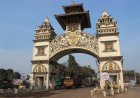
Arriving from the Indian side, Kakarbhitta is the main border crossing for this part of Nepal. It sits close to Birtamod, a short local bus or taxi hop, and from there you head north on the same highway. Handy if you are coming from Siliguri or Darjeeling rather than from Kathmandu.
When to Go
October through April is the comfortable window: clear views, dry trails, cool evenings. December and January mornings get properly cold at Ilam's elevation, so pack for it. Pre-monsoon showers usually start around May, and June to September is the monsoon, when the highway is at its most unpredictable. If you do travel in the rains, give yourself extra days and check the road each morning before committing.
Sleeping and Eating
Ilam town has simple guesthouses, and the tea-growing areas around Kanyam and Fikkal have homestays that usually include meals. Rates move with the season and with how busy the district is, so ask for the current price when you book, and ask what it includes. Food is straightforward: dal bhat, momo, and in several places freshwater fish from the Mai Pokhari area. A homestay that feeds you is often better value than a guesthouse plus restaurants, particularly outside town.
Etiquette Around the Tea Gardens
The gardens are working farms, not parks. Public lanes through the Kanyam area are fine to walk, but stepping into a plantation block, plucking a leaf for a photo, or wandering between workers is not something to do uninvited. If you want a closer look, ask at the estate itself and whoever is on the gate will tell you what is possible that day. Carry your rubbish out, keep your voice down near villages, and do not photograph people without a nod first.
Mai Pokhari: Rules and Etiquette
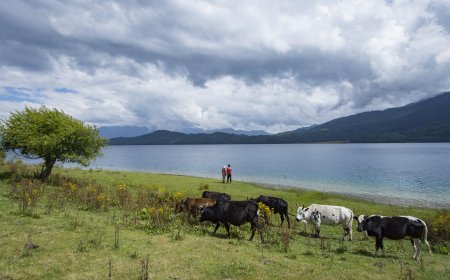
Mai Pokhari is protected as a Ramsar wetland, so treat it as a habitat first and an attraction second. Visitors walk the trail on foot. Swimming, boating and feeding the wildlife are not things to be doing there unless the site's own management says otherwise on the day, and that changes with restoration work and water levels. Keep quiet, take your plastic back out with you, and if a gate or barrier is up, do not step around it.
A Few Practical Notes
Carry cash. Card acceptance in Ilam is limited outside a few hotels, and hill ATMs can be empty or offline. Mobile data works in town and along much of the highway but drops in the valleys. Bring a warm layer even in October, and shoes you do not mind getting muddy.
That is the shape of the trip. What I have described here is route and habits, not a booking sheet. Check fares, schedules, flight status and any site rules yourself, close to the date you travel, and you will be fine.
What's Your Reaction?