



Everest Permit Cost: What the Fee Covers and How to Verify the Current Rate
A reader-facing guide to Everest permit costs that explains what the climbing royalty covers, the park, municipality, waste and liaison officer costs that sit beneath it, why quoted figures go stale after the 2025 royalty revision, and how to verify the current rate with Nepal's Department of Tourism before booking.

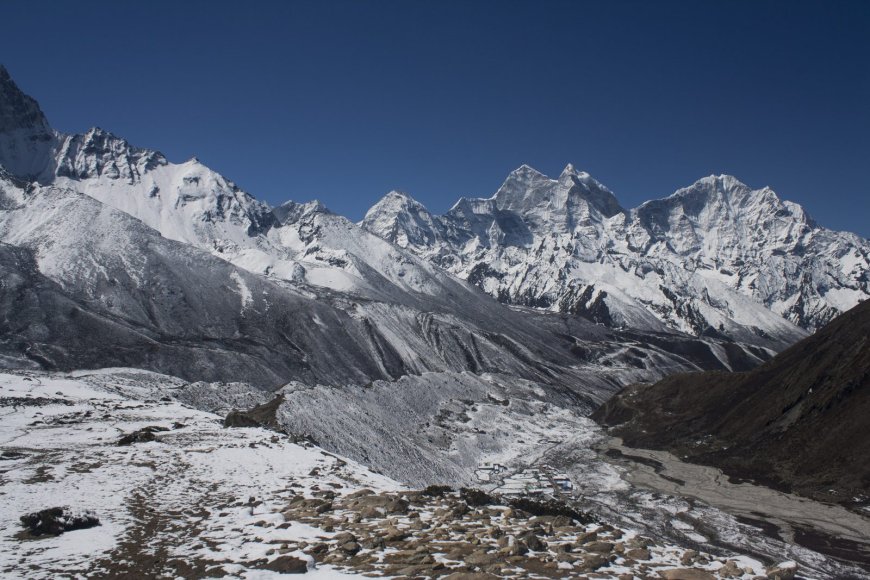
Almost every question about climbing Everest from Nepal comes back to one line on the budget: the permit. It is also the line most often copied from a blog post written years ago and never corrected. So this guide does two things instead of handing you a number to repeat. It explains what the Everest permit cost actually covers, which other permits sit underneath it, and where to confirm the current figure before you send money to anyone.
What the Everest permit cost covers
The climbing permit for Everest is a royalty paid to the Government of Nepal, collected through the Department of Tourism under the ministry responsible for tourism. It is charged per climber, and the rate depends on the season. Spring, the busiest window, carries the highest rate. Autumn sits lower, and winter and the monsoon months lower again.
The royalty is not a service fee. It buys the legal right to climb, and it funds the government side of expedition administration, including the liaison officer assigned to your team. Because the schedule is set by government and revised from time to time, any figure printed in an article, a brochure or a Facebook post has an expiry date on it.
Nepal's cabinet approved a revised Everest royalty schedule that applied from the 2025 climbing season, and reporting at the time described a substantial increase in the spring rate. Whatever those numbers were, they are now a historical record, not a quote. Ask for the schedule in force for the season you are actually climbing.
The permits that sit underneath it
The royalty is only one of several permissions an Everest climber needs. Budget for the whole stack, not just the headline permit.
Sagarmatha National Park entry
Everest sits inside Sagarmatha National Park, a UNESCO World Heritage site, and every person entering pays a park fee. It is small next to the royalty, but it is not optional and it is checked on the trail, usually at Monjo.
Khumbu local municipality permit
The local government in Khumbu levies its own entry fee, separate from the national park, and trekkers and climbers both pay it. This is the fee that covers what the TIMS card covers in other trekking areas, so if an operator quotes you a separate TIMS charge for an Everest base camp trek, ask what exactly it is for.
Waste management deposit
Nepal requires Everest expeditions to bring their rubbish back down, and part of that requirement is a deposit refunded when you do. Treat it as money held rather than money spent, and read the refund conditions before you assume all of it comes back.
Liaison officer costs
Expeditions are assigned a government liaison officer, and the team covers that person's costs on the mountain. Some operators fold this into the package price, others show it as a separate line. Either is fine as long as you can see it.
Icefall route contribution
The route through the Khumbu Icefall is fixed each season by the Icefall doctors, and climbers contribute to that work. It is a small share of the total, but it belongs in the breakdown.
Why the total keeps moving
Three things change what you pay. The season, because the royalty rate is seasonal. The size and structure of your team, because some costs are shared across an expedition rather than charged per person. And the year, because the government revises the schedule. That last one is why an older figure circulating online is worse than no figure at all: it looks precise, so people budget against it.
Your operator should be able to tell you the current rate in a sentence, with the season attached. If they cannot, that is worth noticing before you pay a deposit.
How to budget around a number you cannot pin down
Government fees are a minority of what an Everest climb costs. Guided expeditions spend most of their money on guides and Sherpa support, oxygen, climbing gear, food, insurance, helicopter logistics and acclimatisation time. So the useful budgeting move is not memorising the royalty figure. It is asking for a written breakdown that separates government fees from services.
Ask for it line by line: royalty, park fee, local fee, waste deposit, liaison officer share, Icefall contribution, then the service side. A good operator sends this without drama. One that gets vague about which portion is a government fee and which is margin is telling you something useful.
Keep two more things in your budget. First, a buffer. Weather, illness, extra nights in Kathmandu and helicopter changes are normal parts of an Everest season, not exceptions. Second, check your insurance properly, because helicopter evacuation from the Khumbu is expensive and cheap policies routinely exclude it or cap it well below the real cost.
Where to confirm the current rate
- Department of Tourism, Kathmandu. The body that issues climbing permits and publishes the royalty schedule.
- Sagarmatha National Park office. Entry fees and park rules.
- Your expedition operator. They handle the paperwork every season and should be able to show the schedule they are working from.
Ask for the date on the document. A fee schedule without a date is a rumour with a letterhead.
Red flags when comparing quotes
- A package price far below the others with no explanation. Something has been left out, usually insurance, oxygen or the royalty itself.
- Government fees bundled into a round "admin charge" instead of itemised.
- Figures copied from an article that predates the 2025 revision.
- Refundable deposits presented as a cost, or costs quietly described as refundable.
Questions people ask before booking
Can I sort the climbing permit in Lukla?
No. The climbing permit is issued in Kathmandu before the expedition starts, which is one reason your operator needs your paperwork well ahead of your flight to Lukla. The park fee and the local municipality fee are paid on the approach.
Does a summit permit cover my whole team?
No. The royalty is charged per climber. Sherpa guides and other climbing staff have their own arrangements, and those costs show up in the service side of your quote rather than the royalty line.
Why not just print the rate?
Because a rate that is one season out of date is the most common error in Everest budgeting content, and repeating it would make this page part of the problem. The structure above will not change quickly. The number will.
Start here
Before you compare operators on price, ask each one for the same thing: a written breakdown of government fees with the season and year stated, and the same for services. Then compare like with like. The Everest permit cost matters, but it is the part of the budget you have least control over and the easiest to verify, as long as you ask for it in writing.
What's Your Reaction?