





NRN Card vs NRN Citizenship: What Nepalis Abroad Need to Know
A clear breakdown of the differences between the NRN Card and NRN Citizenship — who qualifies, what rights each provides, how to apply, fees, property limits, and common mistakes to avoid. Written for Nepalis living abroad who want to maintain a legal and practical connection to Nepal.

Last updated: 2 October 2026
General information only. This is not legal, tax or immigration advice. Rules, fees and procedures change — confirm with the Department of Immigration and a qualified professional before acting.
If you are a Nepali citizen living overseas, or you once held Nepali citizenship and later acquired a foreign passport, you have probably come across two terms that sound similar but carry very different rights: the NRN Card and NRN Citizenship. The confusion is understandable. Both fall under the Non-Resident Nepali framework, both are issued by the Government of Nepal, and both are meant to keep you connected to the country. But they serve different people and unlock different doors.
Who qualifies for what
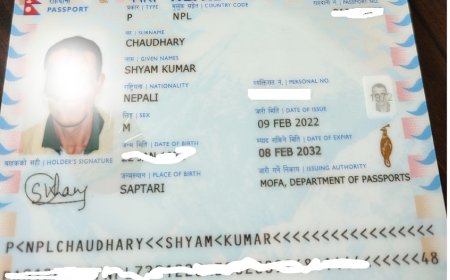
The NRN Card is for Nepali citizens who are ordinarily resident outside Nepal. You must hold a valid Nepali passport and be able to prove you live abroad — work permit, residence visa, or similar documentation. The card does not change your citizenship status. You remain a full Nepali citizen.
NRN Citizenship, by contrast, is for people who used to be Nepali citizens but voluntarily acquired citizenship of another country. Nepal does not allow dual citizenship in the ordinary sense, so when you naturalised abroad you lost your Nepali citizenship. NRN Citizenship is a special status that restores some — but not all — of the rights you gave up. You cannot hold it at the same time as a regular Nepali citizenship certificate.
What each status actually gives you
NRN Card holders
With an NRN Card you can enter, stay and exit Nepal without a separate visa for the validity period of the card. You can open bank accounts in convertible foreign currency, invest in certain sectors, and buy or sell property within limits set by prevailing law. You also get access to a dedicated immigration counter at Tribhuvan International Airport. The card is typically issued for ten years and can be renewed.
NRN Citizenship holders
NRN Citizenship lets you live in Nepal indefinitely without a visa. You can own property — including land — in your own name, though there are ceilings on how much land you can hold depending on the location. You can open and operate bank accounts in both Nepali rupees and foreign currency. You can invest in businesses and repatriate profits, subject to the same foreign exchange rules that apply to other foreign investors. What you do not get are political rights: you cannot vote, stand for election, or hold public office. You also cannot get a regular Nepali passport; you travel on the passport of your current citizenship.
How to apply
Both applications start at the Department of Immigration in Kathmandu or at a Nepali diplomatic mission abroad. For the NRN Card you submit your Nepali passport, proof of residence abroad, passport-sized photos, and the prescribed fee. The mission forwards the file to Kathmandu for processing. Processing times vary; in recent years it has taken anywhere from a few weeks to a couple of months.
For NRN Citizenship the paper trail is longer. You need your original Nepali citizenship certificate (or a certified copy), proof that you acquired foreign citizenship, your foreign passport, a police clearance from your country of residence, and a renunciation declaration. The application is reviewed by the Ministry of Home Affairs before the citizenship certificate is issued. Expect the process to take several months.
Fees and renewal — what to budget for
Fees are set in Nepali rupees and are payable in the local currency equivalent at the mission where you apply. The NRN Card fee has been revised periodically; as of the last published schedule it was in the range of US$ 500 for a ten-year card. Renewal carries a similar cost. NRN Citizenship involves a higher upfront fee — previously around US$ 1,500 — plus smaller administrative charges. Because fee schedules change without much notice, confirm the current amount with the embassy or the Department of Immigration before you submit anything.
Common pitfalls
People often assume the NRN Card is a fast track to NRN Citizenship. It is not. The two are separate legal tracks with separate eligibility. Another frequent mistake: travelling to Nepal on a foreign passport while holding an NRN Card. The card only works when presented together with your valid Nepali passport. If your Nepali passport has expired, renew it first.
NRN Citizenship applicants sometimes forget that the renunciation declaration is irrevocable. Once you sign it, you cannot reclaim full Nepali citizenship later without going through a separate naturalisation process that is rarely granted.
Property and investment limits
Both categories allow property ownership, but the limits differ. NRN Card holders face stricter ceilings on land area, especially in the Kathmandu Valley. NRN Citizenship holders can acquire larger plots, though the total holding is still capped by district-level regulations. If you are buying property, engage a local lawyer who checks the current ceiling for the specific municipality — rules have shifted more than once in the past decade.
Tax implications
Holding either status does not automatically make you a tax resident of Nepal. Tax residency depends on the number of days you spend in the country and the source of your income. Nepal has double taxation avoidance agreements with several countries; if you earn income abroad and also have Nepal-sourced income, a qualified tax adviser can help you avoid paying twice on the same earnings.
Keeping your documents current
An expired NRN Card does not cancel your Nepali citizenship, but it does mean you lose the visa-free entry benefit until you renew. For NRN Citizenship, the certificate itself does not expire, but if your foreign passport changes you should update the records at the Department of Immigration to avoid hassles at the border.
Bottom line
If you still hold a Nepali passport and live abroad, the NRN Card is the simpler, cheaper route to keep your ties practical — visa-free travel, banking access, and limited property rights. If you have already naturalised elsewhere and want a durable legal link to Nepal that lets you live, invest, and own land without a visa, NRN Citizenship is the path, provided you accept the loss of political rights. Whichever you choose, start the paperwork early, keep copies of everything, and verify the latest requirements with an official source before you pay any fees.
What's Your Reaction?