



Sunsari District Travel Guide: Koshi Tappu, Barahakshetra, Chatara & Itahari
A practical guide to Sunsari district in eastern Nepal covering Koshi Tappu Wildlife Reserve, Barahakshetra temple, Chatara barrage, Itahari transit hub, and Ramdhuni Temple — with transport basics, seasonal advice, and planning considerations.

Last verified: 12 October 2026
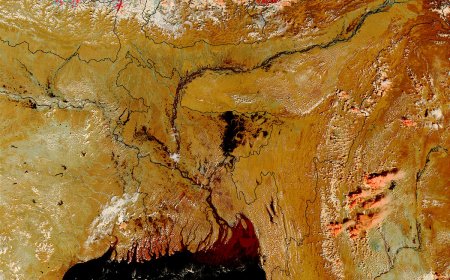
Sunsari district sits where Nepal's hills meet the Tarai plain, with the Koshi River shaping the land, the wildlife, and the rhythm of travel. This guide covers the main draws — Koshi Tappu Wildlife Reserve, the pilgrimage site at Barahakshetra, the barrage at Chatara, and the highway town of Itahari — along with practical context for planning a trip.
Getting to Koshi Tappu Wildlife Reserve
The reserve's main entry at Kusaha sits just off the East–West Highway. From Itahari, head east on the highway and turn north on the marked feeder road. From Biratnagar in neighbouring Morang district, take the highway west to the same turnoff. The final stretch to the gate can rough up after heavy rain, so check road-condition advisories during monsoon before you leave.
Entry permits are issued by the Department of National Parks and Wildlife Conservation. Fees differ for foreign nationals, SAARC nationals, and Nepali citizens; confirm current rates on the department's website or at the gate. Guided boat and walking safaris must be arranged through licensed operators; a guide is mandatory inside the core area.
Itahari: Eastern Nepal's Transit Crossroads
Itahari sits at the junction of the East–West Highway and the Koshi Corridor, and it functions like one. Buses, shared jeeps, and a steady flow of travellers move between the eastern hills, the Tarai, and the Indian border at Jogbani. You'll find multiple bus parks, a cluster of budget lodges, and a growing number of restaurants catering to overland traffic. For air access, Biratnagar Airport is a short drive away — daily flights connect to Kathmandu; check current schedules with the airlines or the civil aviation authority.
Barahakshetra Temple: Confluence and Pilgrimage
Barahakshetra sits where the Koshi, Koka, and Dudh rivers meet as they emerge from the Chure hills. The temple complex is managed by the local municipality; ritual schedules and fair dates come from the municipality office. The annual mela typically falls in Kartik (October–November), but exact dates are fixed each year — verify with the municipality before planning a visit. The site also marks a geological reference point for the Koshi's historic channel shifts.
Chatara & the Koshi Barrage
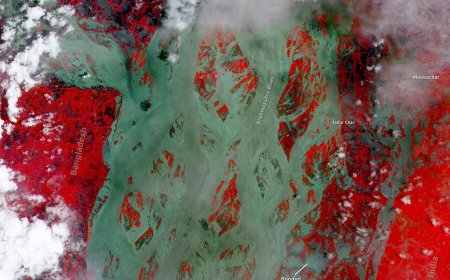
Chatara marks where the Koshi debouches onto the plains. The headworks here — the Koshi Barrage and Main Canals System — are operated by the irrigation department under the responsible ministry. The barrage is maintained under the longstanding Koshi Agreement between Nepal and India. Maintenance schedules, gate-operation protocols, and real-time discharge data are published by the responsible agencies. If you're crossing the barrage road, especially during monsoon, check flood bulletins before you go. The 2008 Kusaha breach is a historical reference; current embankment integrity is a live engineering matter reported by the responsible agencies.
Ramdhuni Temple
A short drive north of Itahari off the highway, Ramdhuni Temple lies in Ramdhuni-Bhasi municipality. The site centres on a forest grove and a perennial spring; visitor facilities are managed by the municipality and the local temple committee. Opening hours and special observances are set locally — check with the municipality for the current schedule. It's a quiet spot, popular with locals on weekends, and worth an hour if you're passing through.
Birdwatching at Koshi Tappu
Koshi Tappu is a Ramsar-designated wetland. Winter months — November through February — bring migratory waterfowl and raptors; species presence varies annually. The reserve's mix of wetlands, grasslands, and river channels makes it one of Nepal's best birding destinations. Early mornings on a guided boat safari are your best bet; operators licensed by the park authority run half-day and full-day trips.
Where to Stay
- Koshi Tappu area: Tented camps and homestays in nearby villages. Book ahead in peak season (Nov–Feb).
- Itahari: Budget lodges near the bus parks, plus a few mid-range hotels.
- Dharan: Wider range from backpacker guesthouses to comfortable hotels.
Best Time to Visit
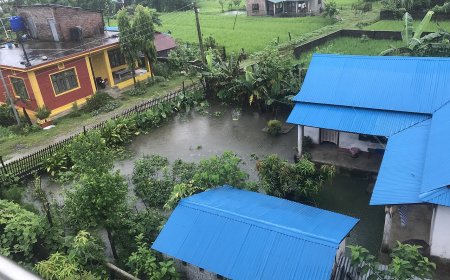
October–March: Dry, pleasant, peak for birdwatching and temple visits. December–January mornings can be foggy on the highway. April–May: Hot, but fewer crowds. Good for early-morning reserve visits. June–September: Monsoon. The Koshi floods, roads degrade, and the reserve may restrict access. Check flood bulletins daily if you must travel then.
Sample 2-Day Itinerary
Day 1: Morning drive from Itahari to Koshi Tappu. Half-day boat safari and walking walk with a licensed guide. Lunch at camp. Afternoon at leisure or short village walk. Overnight near reserve. Day 2: Early morning birding session. Depart for Barahakshetra. Visit temple complex and riverside. Lunch in Barahakshetra. Afternoon: Chatara barrage viewpoint. Return to Itahari via Ramdhuni Temple if time allows.
FAQ
How do I get from Itahari to Koshi Tappu?
Take the East–West Highway east from Itahari, then turn north on the marked feeder road to Kusaha gate. The final stretch can degrade after heavy rain. During monsoon, check road-condition advisories before you leave. For current bus or shared-jeep departures, ask at Itahari's main bus park — no fixed timetable is published centrally.
When is the Barahakshetra mela?
The main fair typically falls in the month of Kartik (October–November) but the exact dates are fixed each year by the municipality in coordination with the temple committee. Verify dates with the municipality office or the official festival calendar before planning a visit.
Last verified: 12 October 2026
What's Your Reaction?