




Tanahun District Guide: Damauli, Bandipur and the Cave Approach from Bimalnagar
A practical guide to Tanahun district: how the Prithvi Highway corridor connects Damauli, Bimalnagar and Bandipur, how bus transfers at Dumre work, and why Bandipur's pedestrian bazaar deserves an overnight stay.

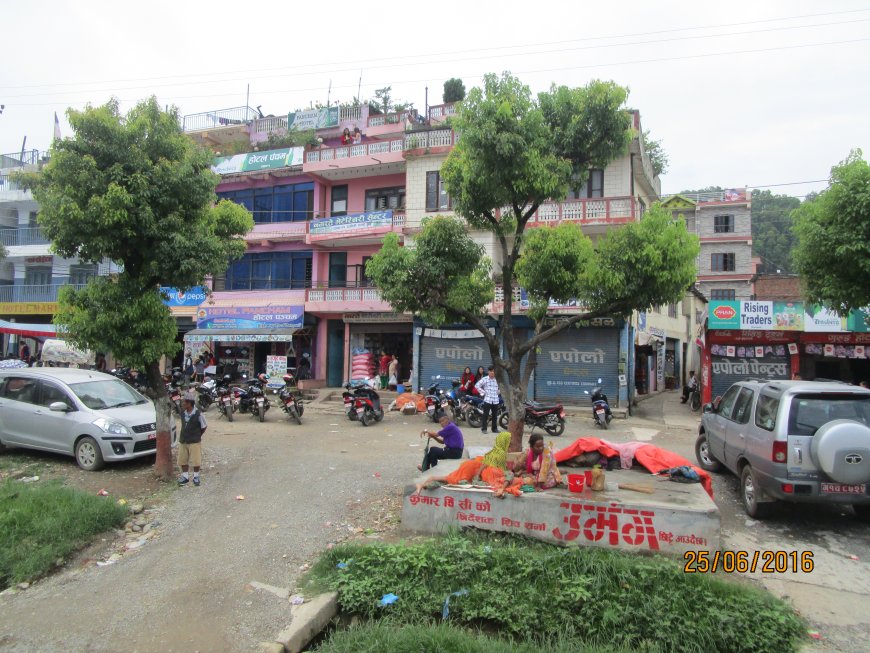
Tanahun is one of those districts that most travellers cross without quite noticing. The Prithvi Highway cuts straight through it, buses between Kathmandu and Pokhara barely pause, and yet a short climb off the highway lands you in one of the most quietly rewarding heritage towns in Nepal. This guide covers the district's practical shape: how the highway corridor works, why Bandipur rewards an overnight stay rather than a photo stop, and how the cave at Bimalnagar fits in as a side trip rather than a second destination.
A note on numbers. Fares, entry fees, opening hours, vehicle rules in the bazaar and road conditions all change, sometimes within a single season. Rather than print figures I cannot stand behind today, this guide explains how each thing works and who to ask for the live value. Where a detail is fixed, I say so plainly.
Orientation: the highway spine of the district
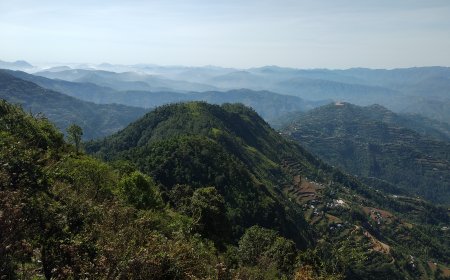
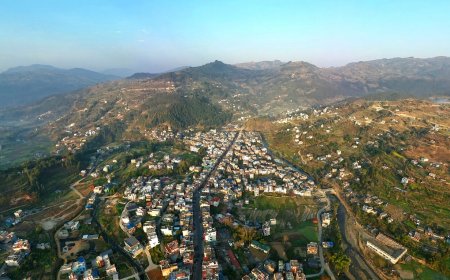
Tanahun lies in Gandaki Province, and its geography is essentially a river valley with a highway running along it and hill settlements perched above. Damauli is the district headquarters and the main service town, the place where you find the hospital, the government offices and the bus counters you may need if plans change.
Three names do most of the work in this district for visitors. Damauli is the practical base and transport node. Bandipur is the reason to stop overnight. Bimalnagar, at the foot of the Bandipur hill, is the access point for the cave that most people write as Vyas or Vyasa, spellings that vary between signboards, maps and local usage. Treat all three as points on one corridor rather than three separate trips.
Buses: Kathmandu and Pokhara to the Bandipur turnoff
Bandipur does not sit on the highway. It sits above it. The junction that serves it is Dumre, and almost every Kathmandu–Pokhara bus passes through Dumre without stopping for long.
From Kathmandu, the usual pattern is a Pokhara-bound night or early-morning bus, alighting at Dumre, then a local vehicle or a short taxi ride up the hill. A handful of operators run direct Bandipur services, but they are the exception, not the rule, so confirm when you buy. From Pokhara the logic reverses: take any Kathmandu-bound bus and get off at Dumre.
Fares on this corridor are set by the transport committees and revised when fuel prices move, so treat any figure you read online, including an old one of mine, as a starting point only. Ask at the counter when you buy, and ask specifically whether the ticket is to Dumre or to Bandipur, because the difference matters at the door.
The Damauli and Bimalnagar approach
The Mugling–Abu Khaireni–Damauli stretch is the district's main road artery, and it is also the stretch most likely to slow you down. Hill roads here suffer in the monsoon, and maintenance work can reduce long sections to a single lane with little warning. Travel times quoted by anyone, including me, are optimistic on a good day and meaningless after heavy rain.
For current conditions the honest answer is to check before you travel rather than after: the Department of Roads publishes maintenance and disruption information, and local traffic police in Damauli or Abu Khaireni will know what the road is doing this week. If you have a flight or a fixed onward booking, build in slack, especially between June and September.
Bandipur bazaar as an overnight stop
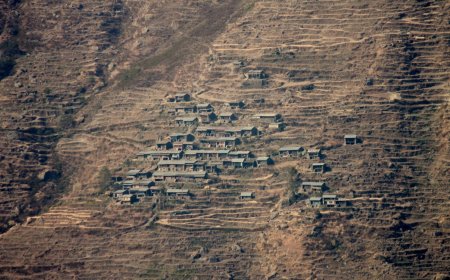
Bandipur is a hilltop Newar trading town whose fortunes shrank when the highway bypassed it, which is precisely why so much of its 19th-century streetscape survived. Rows of houses with carved windows and colonnaded fronts line a bazaar that functions, in practice, as a pedestrian street. Vehicles stay below or at the edge; deliveries and supplies move in on foot or by porter.
That pedestrian character is the whole appeal, and it is also the detail most likely to change. Restrictions on when and which vehicles may enter are set locally and get adjusted, so if you are arriving with a motorbike or a car, ask your guesthouse before you set off what the current arrangement is rather than assuming.
Stay the night. Day-trippers get a view and a lunch; overnighters get the empty bazaar at dusk, the mist in the valley at dawn, and the chance to walk the ridge trails without a bus waiting.
The cave at Bimalnagar
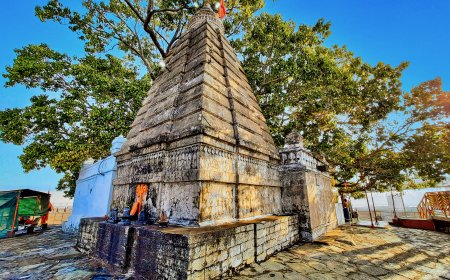
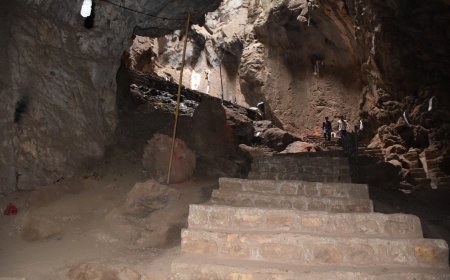
Bimalnagar sits at the base of the hill and is the practical starting point for the cave, a limestone cavern with stalactite formations that is usually reached on foot from the roadside. Whether it is open, when the lights are switched on, and what the entry costs are all things that have changed in the past and will change again; confirm on the day, either at the site or through the local tourism office, rather than trusting a guidebook figure.
Treat it as a two-to-three hour addition to a Bandipur stay, not a destination in its own right. Bring a light layer, and expect slippery floors.
Practical planning notes
October to November and February to April give the clearest mountain views and the most reliable roads. Carry cash for the hill, since card acceptance in Bandipur is limited. Confirm your return bus at Dumre a day ahead rather than the same morning. And if you are combining Bandipur with the cave, do the cave on the way up or down rather than as a separate out-and-back from the top.
What's Your Reaction?