





Gulmi District Travel Guide 2026: Resunga, Tamghas, and a Ridi (Palpa) Detour — How to Get There
A practical 2026 travel guide to Gulmi district, covering Tamghas (the district HQ), the Resunga ridge, and a side trip to Ridi Bazaar in neighboring Palpa. Includes transport options from Kathmandu and Pokhara, road distances, homestay and coffee‑farm tips, seasonal advice, and three essential contacts to verify before you travel.

Gulmi sits in the middle hills of western Nepal, a district of terraced slopes, coffee shrubs, and winding roads that climb toward ridge‑top temples. Most travelers pass through on the way to Palpa or Lumbini, but the area rewards a slower pace — mornings in a homestay above Tamghas, an afternoon exploring the market lanes of Ridi, and the quiet of a hilltop shrine where the view stretches to the Himalaya on clear days. This guide walks through the main stops, the practicalities of reaching them, and the checks you should make before you set off.
Getting there
The main artery is the Siddhartha Highway. From Kathmandu the drive to Butwal takes six to eight hours depending on traffic and road works; long‑distance buses depart from Gongabu Bus Park (Kathmandu) for Butwal throughout the day. From Butwal the highway turns north toward Tamghas, climbing through Saljhandi and across the Kaligandaki valley — roughly 70 km of paved road that usually takes two to three hours by bus or shared jeep. Buses and micro‑vans run the Kathmandu–Butwal–Gulmi corridor continuously, and shared jeeps leave from Butwal’s northern bus park for the final stretch. During monsoon, landslides can close sections for hours or days — check the Department of Roads’ official channels for real‑time status before you commit to a departure time.
If you’re coming from Pokhara, the route via Siddhartha Highway and then the branch at Butwal is the most direct. Some riders prefer the shorter but rougher hill roads through Waling and Galyang; conditions vary wildly after rain, so ask locally in Pokhara or Butwal the morning you plan to leave.
Tamghas: Gulmi's district headquarters
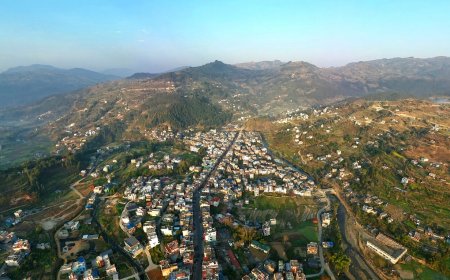
Tamghas sprawls along a ridge where the highway bends. It is the district’s administrative centre — home to the District Administration Office, a hospital, banks, government offices, and a clutch of lodges and tea shops. The weekly haat bazaar brings villagers from surrounding wards to trade vegetables, hardware, and the district’s coffee, which has gained recognition in recent years. Walking the market lanes gives a feel for daily life that the highway bypass never shows. For accommodation, a handful of guesthouses line the main road; standards are basic but clean. Ask your host about homestay options in the nearby villages — several families now welcome guests for a night or two, offering home‑cooked meals and a chance to see coffee processing up close.
The climb toward Resunga
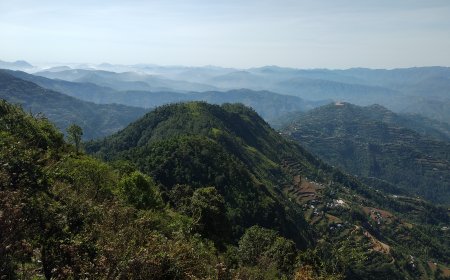
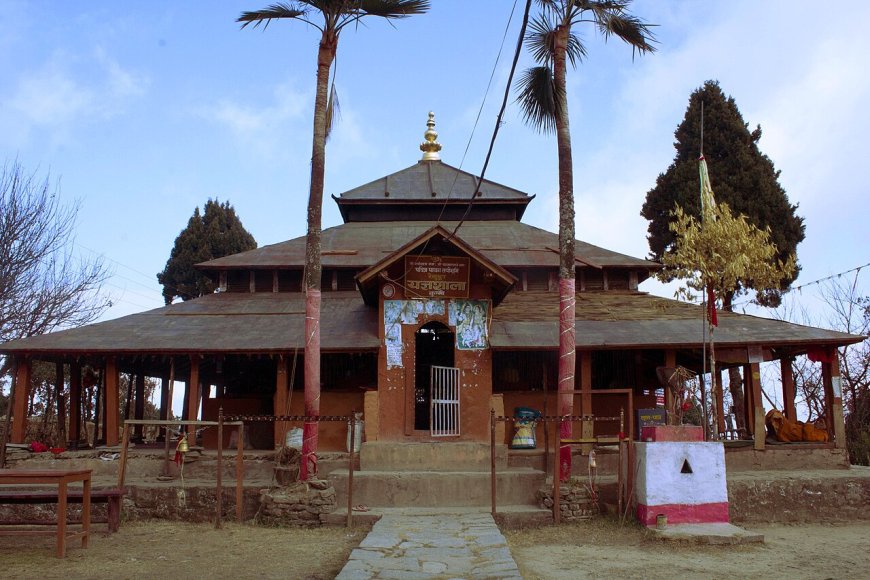
Leaving Tamghas northward, the road narrows and climbs in tight switchbacks toward the Resunga ridge. The ascent is steep, paved in patches, and in the dry season dust coats everything. In winter mornings the ridge can be wrapped in cloud that burns off by mid‑day, revealing a panorama that reaches from Dhaulagiri to the plains. The ridge hosts a temple complex that draws pilgrims, especially during festival periods. Local tradition holds the site is sacred to a goddess associated with protection and harvest; the stories vary by village, and elders tell them differently. Treat the legends as living oral history rather than fixed doctrine.
There is no public transport to the ridge top. Most visitors hire a jeep in Tamghas or walk the last few kilometres from the end of the motorable track. The walk is steep but shaded by pine and rhododendron in the upper sections. Carry water — there are no shops on the ridge itself.
Ridi Bazaar: a Palpa‑side riverside detour
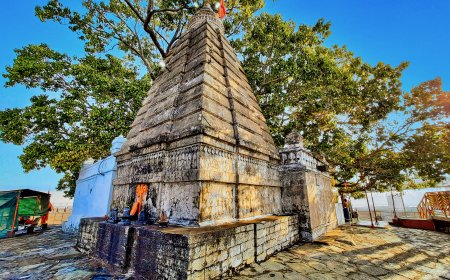
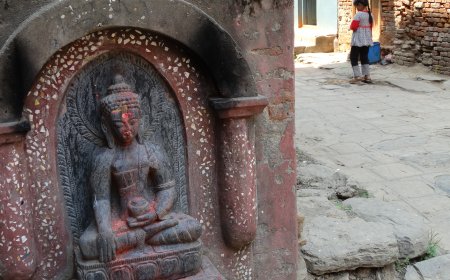
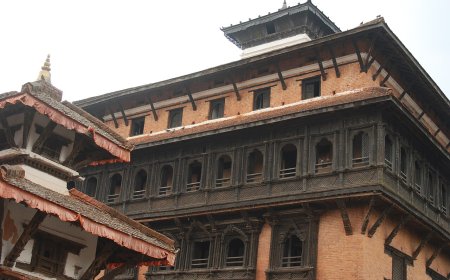
Down in the Kaligandaki valley, Ridi Bazaar sits at a confluence where the river bends sharply — just across the water from Gulmi, in Palpa district. The market has served as a trade crossroads for centuries — salt from the north, grain from the south, and now a mix of local produce and goods trucked in from Butwal. The temple precinct here is older than the road; stone steps lead down to ghats where pilgrims perform rituals. The architecture mixes Newar woodcarving with later additions, and the atmosphere shifts through the day — quiet in early morning, busy with traders by noon, then peaceful again as the light fades.
Lodging in Ridi is limited to a few simple lodges near the bus stand. Temple access and darshan hours are managed by the Ridi temple management committee (or the relevant ward office in Ridi); if you plan to visit for a specific ritual, contact them directly for the current schedule. Do not assume the site is open at all hours.
Coffee, homestays, and the local economy
Gulmi’s coffee has moved from household crop to export commodity over the last decade. Smallholders grow Arabica on shaded terraces between 1,000 and 1,600 metres, often intercropped with banana and citrus. You’ll see drying racks beside the highway in season (roughly November to February). Several cooperatives now handle processing and marketing, but they operate independently — there’s no single visitor centre. If you want to visit a farm or buy green beans directly, the most reliable route is to ask at your Tamghas guesthouse or contact Resunga Municipality for a list of producer groups they currently work with. The District Administration Office, Gulmi can also point you to active cooperatives.
When to visit
October through April offers the most stable weather. October and November bring clear skies and comfortable temperatures; December and January are cold at the ridge but sunny in the valleys. The pre‑monsoon months of March and April see rhododendron bloom on the higher slopes. Monsoon (June to September) turns the hills green but makes road travel unpredictable — landslides, reduced visibility, and occasional highway closures are common. If you travel then, build buffer days into your itinerary.
Confirm before you go
- Administrative designations, local contacts, and coffee cooperatives: District Administration Office, Gulmi
- Resunga ridge access, road status, and temple management: Resunga Municipality
- Ridi temple access, darshan hours, and lodging availability: Ridi temple management committee or the relevant ward office in Ridi
Phone numbers and office hours for these bodies change; search for the current contact details on their official websites or the Government of Nepal directory before you call.
What's Your Reaction?