

Khotang District Travel Guide: Diktel, Halesi Mahadev and How to Get There
A practical Khotang district travel guide covering road access via the Gaighat–Diktel–Salleri corridor, the status of Thamkharka airstrip, Diktel as a base, and the Halesi Mahadev cave complex, with a pre-trip checklist of official sources to confirm road, weather, permit and shrine details.

Facts checked: 14 October 2026 | Next scheduled refresh: Pre-monsoon 2027
Khotang district travel guide
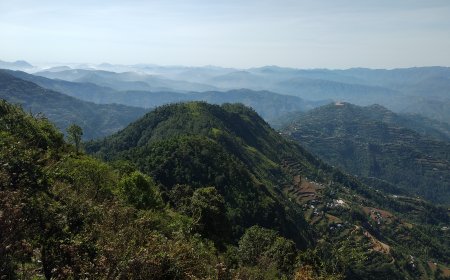
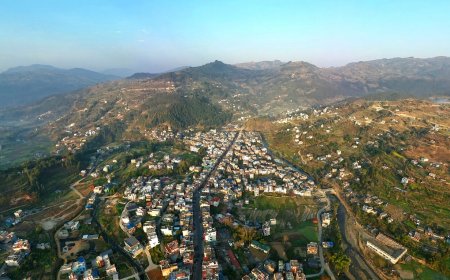
Khotang sits in eastern Nepal's hill region, a district where ridgelines fold into river valleys and the pace of travel still follows the terrain. The headquarters at Diktel perches on a saddle above the Sunkoshi, while the pilgrimage complex at Halesi Mahadev draws visitors to a series of limestone caves that hold significance for both Hindu and Tibetan Buddhist traditions. This Khotang district travel guide outlines what you need to plan a trip — how to reach the district, what to expect on the ground, and what to confirm before you go.
Reaching Khotang by road
Overland travel remains the most reliable way in. The Gaighat–Diktel–Salleri corridor links the district to the east–west Mahendra Highway via a feeder road that branches off near Mirchaiya and Katari; Gaighat itself is not on the highway. From the highway turn-off, expect roughly 70–80 km to Diktel, typically 4–6 hours by private jeep in good conditions (2024–25 season). Local buses run on published schedules that change without notice, and the same stretch can take 6–8 hours. Road surface and condition vary by section and season. The most predictable driving windows are October–November (post-monsoon, stable surfaces) and March–April (pre-monsoon, warm days). Monsoon (June–September) brings frequent landslides and washouts that can close the road for days. Winter (December–February) is passable, but ridges are cold and morning fog can delay departures. Private jeep hire from Gaighat or Katari is common; allow a full day from Kathmandu if connecting through the highway, and build in buffer time for landslides or roadwork.
Air access: Thamkharka airstrip
Khotang has a small airstrip at Thamkharka, on a ridge a short drive from Diktel. Don't build a trip around it. As of the Civil Aviation Authority of Nepal's 2024–25 domestic schedule, no scheduled commercial flights served Thamkharka, and that has been the pattern for some years. It could change — airstrips in the hills do come back into service — so check CAAN's current published schedule on caan.gov.np before you count on flying in. Chartered helicopter landings can be arranged through CAAN-approved operators, usually for project work, medical evacuation or group pilgrimage charters. They need advance permission and only fly when the weather allows.
Diktel: district headquarters
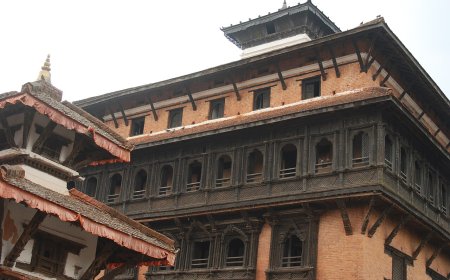
Diktel functions as the administrative and service hub for the district. The district hospital, government offices and the main market are concentrated along the ridge. Accommodation ranges from basic lodges to a few mid-range hotels with attached bathrooms and hot water — availability tightens during festival periods, especially Maha Shivaratri (usually February or March) and Ram Navami (usually March or April); dates shift each year following the lunar calendar. Mobile coverage works in town and along major ridges; data speeds drop in the deeper valleys. ATMs accept major cards, but cash is essential for rural stretches.
Halesi Mahadev and the cave complex
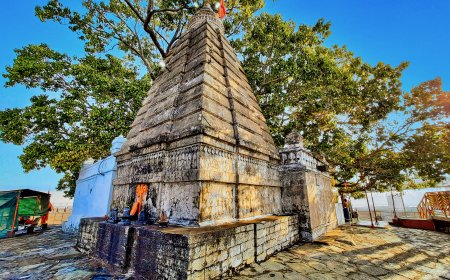
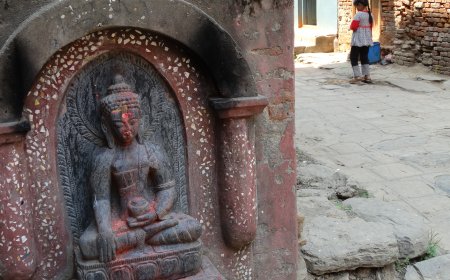
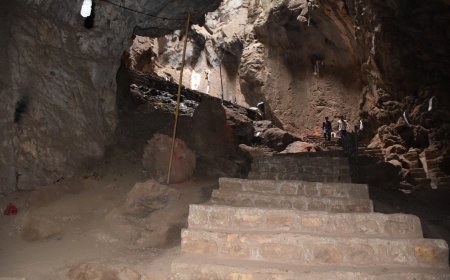
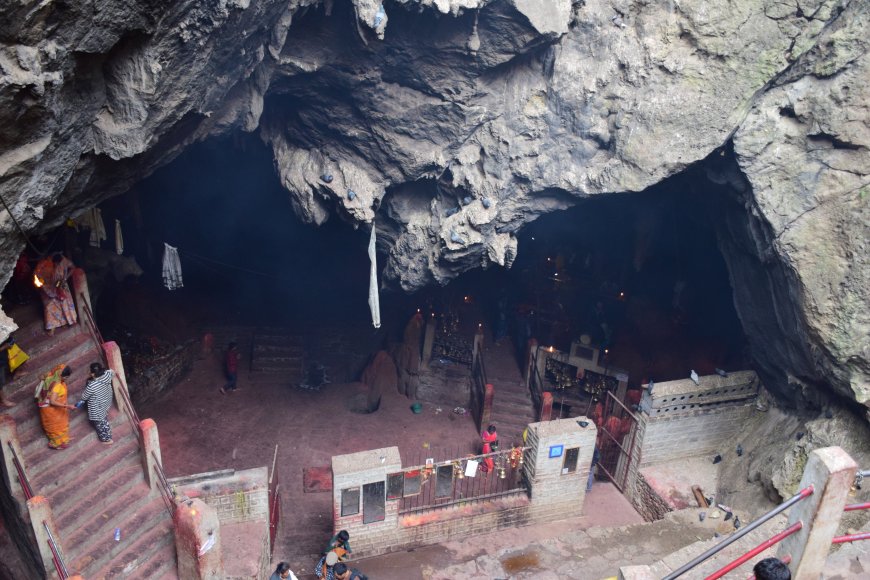
The shrine known as Halesi Mahadev centres on a cluster of natural caves above the Dudh Koshi valley. Hindu tradition identifies the main cavern as a self-manifested lingam of Shiva; the site also appears in Tibetan Buddhist texts as Halesi Maratika, where it is associated with Padmasambhava and longevity practices. The two accounts are maintained separately by their respective communities. From the Diktel–Salleri roadhead, a stepped path leads up to the complex — approximately 18–20 km from Diktel, typically 1–1.5 hours by jeep on a rough, winding track (2024–25 season). Opening hours follow the shrine management committee's schedule, which varies by season and festival calendar; the office at the entrance posts current timings and any inner-cave photography restrictions. Bala Chaturdashi (usually November or December) also draws large crowds.
Pre-trip confirmation checklist
- Road status on Gaighat–Diktel–Salleri — Department of Roads, Koshi Province division (dor.gov.np or district coordination committee)
- Halesi Mahadev opening hours and inner-cave access rules — shrine management office, Halesi (phone posted at entrance)
- Diktel hospital / health post operational hours — Health Office, Khotang (official district health portal)
- Permit requirements for your nationality and itinerary — Nepal Tourism Board (ntb.gov.np) and Department of Immigration (immigration.gov.np)
- Weather outlook for travel dates — Department of Hydrology and Meteorology (dhm.gov.np)
- Accommodation booking confirmation — call the property directly; online listings may be outdated
Practical notes
Pack layers. Mornings on the ridges are cold even in spring, and valley afternoons heat up fast. Carry water purification; bottled water is available in Diktel but not on trails. Local homestays in villages along the Halesi approach offer a chance to stay off the main track; arrange through the district tourism committee or a registered guide. Respect photography restrictions at religious sites, and carry out all non-biodegradable waste.
FAQ
How do I get from Kathmandu to Khotang? Drive or take a bus to the Mahendra Highway, turn north at Mirchaiya or Katari toward Gaighat, then continue on the Gaighat–Diktel road. The total journey is roughly 400–450 km and takes 12–16 hours depending on breaks and road conditions; most travellers break it into two days.
How long from Diktel to Halesi Mahadev? About 18–20 km, typically 1–1.5 hours by hired jeep on a rough mountain track. No public bus serves this leg directly.
When is the best time to visit Khotang? October–November for clear skies and stable roads, or March–April for warmer days and wildflowers. Avoid June–September (monsoon landslides) unless you have flexible dates and backup plans.
Khotang rewards travellers who move at the pace of its roads and trails. Confirm each detail close to your departure date, and treat this guide as a starting framework rather than a fixed itinerary.
What's Your Reaction?