


How to Reach Annapurna Base Camp from Kathmandu: Routes, Trailheads and Timing
A practical, updated guide to getting from Kathmandu to Annapurna Base Camp: how many days the ABC trek actually takes, bus versus flight to Pokhara, the two jeep-and-trail approaches via Jhinu Danda or Ghandruk, current permit advice, the best seasons (including why late November 2026 still works), altitude at Base Camp, and what really drives the cost.

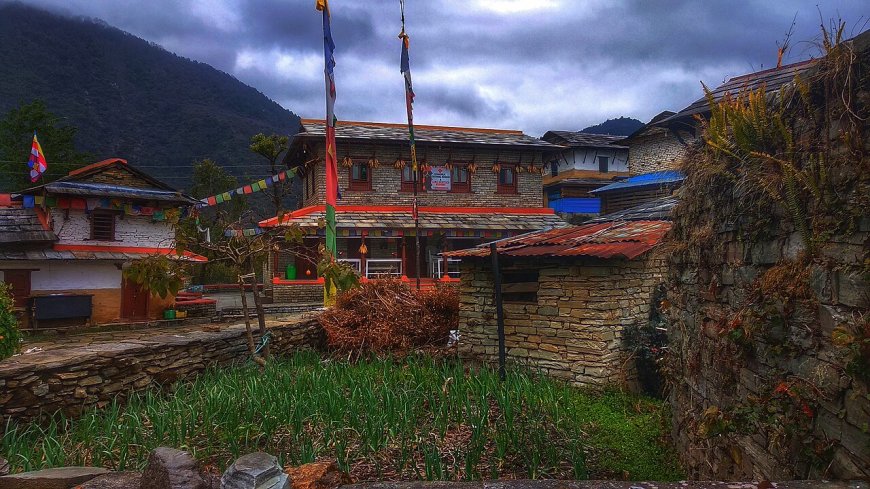
Reaching Annapurna Base Camp from Kathmandu is not one journey. It is three, stacked one on top of another: the highway or the flight to Pokhara, the road up into the foothills, and then several days of walking before the sanctuary opens up in front of you. The first two decide whether the trek starts well or starts in a tired blur.
What follows covers the logistics as they look in November 2026. One caveat before we start: fares, road surfaces and permit counters in Nepal change faster than guidebooks do, so treat every number here as something to re-check a week before you leave rather than a promise.
How many days does the ABC trek from Kathmandu take?
Most people allow nine to twelve days, Kathmandu to Kathmandu. Take out the travel days and the walking itself is usually eight to ten days from the trailhead back to the trailhead: five or six going up towards the sanctuary, three or four coming down. Fly both ways and start from a jeep roadhead already high in the valley, and the whole trip can shrink to about a week. Add a rest day, a spare weather day and a buffer in Pokhara, and the comfortable version sits nearer twelve.
It varies with itinerary, pace and, more than anything, where the road currently drops you. A guided group on a fixed schedule moves differently from two friends who take a zero day at Chhomrong because the view was good. Choose the number that leaves room for one bad-weather morning.
The overland leg: Kathmandu to Pokhara by tourist bus
Almost everyone starts here. Tourist coaches leave Kathmandu early and head west along the Prithvi Highway, roughly 200 km of road that, as of November 2026, still takes the better part of a day. Six to eight hours is a fair expectation on a clean run; road widening, truck traffic and a monsoon landslip repair can each add their own hours on top.
Day buses are the sensible choice. You get the river valleys and the first views of the high Himalaya, and you arrive with enough evening left to sort out permits and a room. Night buses exist and save you a hotel night, but you spend the next day recovering from it, which is a poor trade on day one of a trek. Book through a Pokhara-based agent or your hotel rather than a roadside tout, and confirm the departure point the evening before. Tourist bus parks move around more than you would think.
The air leg: Kathmandu to Pokhara by flight
The sector is short, roughly 25 to 30 minutes in the air, and it is the difference between losing a day and not. It also gets cancelled. Hill weather, and Pokhara's own conditions, can ground flights for a morning at a stretch, so build a spare half-day into your schedule if the trek dates are fixed.
One thing worth checking carefully when you book: Pokhara is served by more than one airport, and airlines do not all use the same one. Confirm which airport your ticket actually lands at instead of assuming, because the transfer time into town differs depending on the answer. Morning departures are usually the more reliable bet.
Pokhara to ABC: where the road ends and the walking begins
From Pokhara, a shared jeep or a private taxi takes you up into the foothills. There are two ways into the sanctuary from there, running up opposite sides of the Modi Khola valley, and they meet at Chhomrong.
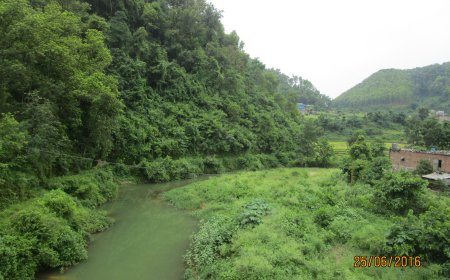
The western approach follows the Modi Khola itself. Vehicles run to Nayapul, and often further, and the walking route goes through Birethanti and Sudame before the long climb through Jhinu Danda to Chhomrong. This is the shorter of the two lines, and it is the one most itineraries use on the way out, which is why the hot springs at Jhinu Danda make such a popular last-night stop before the road.
The eastern approach is the Ghandruk side. Jeeps run up to Kimche, and in places to Siwai, above the river's east bank; from Kimche it is an hour or so of walking down to Ghandruk, the big Gurung village with its museum, bakeries and close-up view of Annapurna South. From Ghandruk the trail drops to the Kimrong Khola and climbs again to Chhomrong. It is the longer, prettier way in, and the one to pick if you want a village stay rather than a transit stop.
Where the road stops changes. Tracks get extended, bridges get rebuilt, and a village that was a two-hour walk from the jeep a few years ago may now be the drop-off point, or the reverse. Ask your transport provider where a vehicle can currently take you on the day, and budget your first day's walking after that answer, not after an old itinerary. For more on the town you will pass through twice, our Pokhara travel guide covers where to stay and what to do with a spare day.
Annapurna region permits for the sanctuary
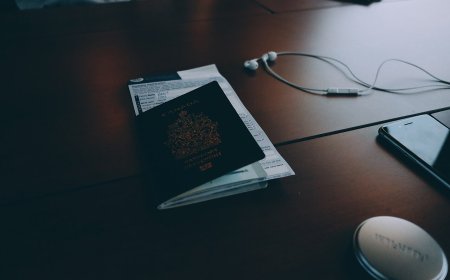
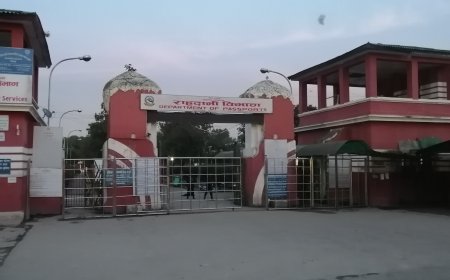
You need an entry permit for the Annapurna Conservation Area, and it is checked at points along the route, including around Birethanti. Whether a TIMS card is also required for your particular route, and where each document is currently issued, is worth confirming directly with the conservation area office in Pokhara or a trekking agency before you set off. The arrangements have changed more than once in recent years, including moves toward online processing. Our page on Annapurna region permits tracks the current position.
Carry passport photos and a copy of your passport, and keep the permits in a plastic sleeve. Fees are not quoted here because they are revised from time to time; ask at the counter or check the official conservation area notice for the current amount.
The best time to trek to Annapurna Base Camp
Autumn, roughly late September into November, is the classic post-monsoon window: clearest skies, settled air, busiest trails. On 11 November 2026 the peak of that window has passed, but the season has not shut. Late November still works well if you pack for cold, with thinner crowds, crisp mornings and teahouses that are noticeably quieter than they were a month ago. Nights above Deurali get properly cold now, so a decent sleeping bag matters more than it did in October.
December through February is winter: possible, much quieter, but expect snow higher up, frozen taps and some teahouses closing for the season. Spring, from March into May 2027, is the next comfortable stretch, with rhododendrons lower down, longer days and a reasonable chance of settled weather. That is future planning rather than current conditions, and the picture firms up closer to the time. The monsoon months bring rain, cloud, leeches and landslide risk on the roads. None of these seasons is off-limits; each asks more of you.
Altitude at Base Camp
Annapurna Base Camp sits at roughly 4,100 to 4,130 metres depending on which map you trust. That is high enough for altitude sickness to be a recognised risk on this route, and it is the main reason to walk in gradually rather than race the itinerary. Sleeping at Deurali or Machhapuchhre Base Camp before the sanctuary, rather than pushing straight through, is worth the extra night.
If someone in your group becomes unwell with symptoms that suggest altitude, the answer is descent, and quickly. Evacuation from the sanctuary, when it is needed, is usually by helicopter from accessible points and depends on weather and operator availability. Talk to a qualified doctor about your own health before you go.
What drives the cost of the ABC trek from Kathmandu
Anyone quoting an exact figure from Kathmandu before asking about group size, pace, guiding and comfort level is guessing. The price is built from four things: getting to Pokhara (flight or bus, and whether you fly one way or both), permits, days on the trail, and whether you hire a guide or porter. Teahouse food and lodging get more expensive the higher you climb, simply because everything is carried up. A group of four sharing a jeep pays far less per head than a solo trekker on private transport.
Rather than budget to a number you read online, price the pieces yourself a week out and add a buffer for weather delays plus a spare day in Pokhara. That buffer is the part people forget, and it is the part that saves a trip when a flight is cancelled. If you want to compare this route against easier options, our list of treks in Nepal covers shorter Annapurna walks that need fewer days.
Before you go
Check the permit situation and current fees a week out. Re-confirm which Pokhara airport your flight uses, and your bus departure point. Ask your jeep operator where the road currently ends on the day you travel. Keep two buffer days in the plan, and read up on altitude before you leave rather than on the way up.
What's Your Reaction?