






Makalu Base Camp Trek: How Permits, Access and Acclimatisation Fit Together
A planning-order guide to the Makalu Base Camp trek: settle park paperwork first, budget time for the long Sankhuwasabha approach, and understand how access staging buys acclimatisation margin before you compare routes.

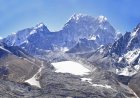
Makalu Base Camp is not a trek you settle in an afternoon. The mountain sits in the far east of Nepal, inside Makalu Barun National Park, and the trip tends to be shaped less by the peak itself than by three things that have to line up: your paperwork, the long approach to the trailhead, and how much margin you leave yourself for altitude. Get the order right and the rest of the planning gets a lot calmer.
Paperwork first, bookings second
Makalu Barun is a protected area in eastern Nepal, and entry to a national park here runs through the Department of National Parks and Wildlife Conservation (dnpwc.gov.np). That is the reason the permit question belongs at the front of your planning rather than the week before you fly: the park entry is tied to the park, not to your flight or your teahouse bookings, and every other reservation you make is easier to unwind if the paperwork half is already settled.
Two habits save people real trouble. First, find out exactly which paperwork your operator or agent is covering and which pieces are yours to arrange, because the gap between those two lists is where trips quietly lose a day. Second, confirm the current requirements and processing with the issuing bodies themselves before you pay for anything non-refundable. Rules and offices change; a forum post from a few seasons back is not a source.
Access: the approach is half the trek
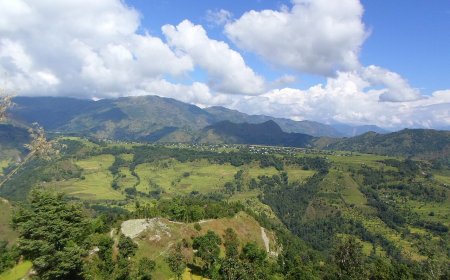
Most Makalu treks start with a flight to Tumlingtar in Sankhuwasabha district and then work north through the Arun valley, partly by road and partly on foot. However you stage it, the approach takes a serious share of your total time, money and energy before you are anywhere near the mountain. That is not a flaw in the route, it is the route. Plan for it and the trek feels generous. Treat it as a transfer and it feels like waste.
What a slower approach actually buys you
Every extra stage you walk in is doing two jobs at once: it moves you closer to base camp and it gives your body another day at moderate height before the ground starts tilting up hard. That is the quiet bargain of this valley. If your schedule is tight, the access leg is exactly where you will feel the squeeze, and it is also the part you should resist cutting first.
Acclimatisation is a budget, not a schedule
Think of acclimatisation here as something you spend on rather than something you tick off. The higher sections of the Makalu route gain height steadily with few comfortable chances to drop back down, so the margin you carry in is doing more work than it would on a busier trail where a descent is a short walk away. You buy that margin with time, with money, and with flexibility, and each one costs you something different. A longer walk-in costs days you may not have. Extra contingency days cost money and leave. A rigid itinerary costs you the ability to sit out a bad night instead of pushing through it. None of those choices is wrong. Just make it deliberately, before you leave, rather than at a teahouse table when you already feel rough.
How hard the Makalu Base Camp trek really is
Difficulty on this route is not a grade you can look up. It is a set of trade-offs you can weigh against what you actually need.
If you need help to be close at hand, this route asks you to accept that it will not be. If you need a trail where a bad day can be solved by walking down to a village, this route asks you to solve it with judgment and time instead. If you need teahouses every night, it asks you to check whether the ones along your stretch are open for your dates or whether you have to carry camping support. And if you need a straightforward evacuation plan, it asks you to build one that accounts for distance from road access, weather, and how long it takes to get a helicopter decision made at all.
None of that makes Makalu a route for experts only. It makes it a route for people who are honest about which of those needs are non-negotiable for them.
Makalu or Everest Base Camp: choose on logistics, not prestige
The useful comparison is not which trek is better. It is which set of frictions you can live with.
The Khumbu side is the busier, more built-up option, with far more accommodation, more traffic on the trail and a shorter, more predictable run to help if something goes wrong. Makalu is the quieter one: fewer people, thinner support, a longer approach, and more of your plan resting on camping logistics and self-reliance. On the administrative side, ask which steps you can hand to an agency and which you will have to do yourself, and factor in the fact that the eastern approach adds moving parts that the Khumbu route simply does not have. If you want company on the trail and a rescue chain you barely have to think about, the Everest side fits better. If you want a valley that is not full of other trekkers and you are willing to pay for that in logistics, Makalu is the one.
Read conditions, not a calendar
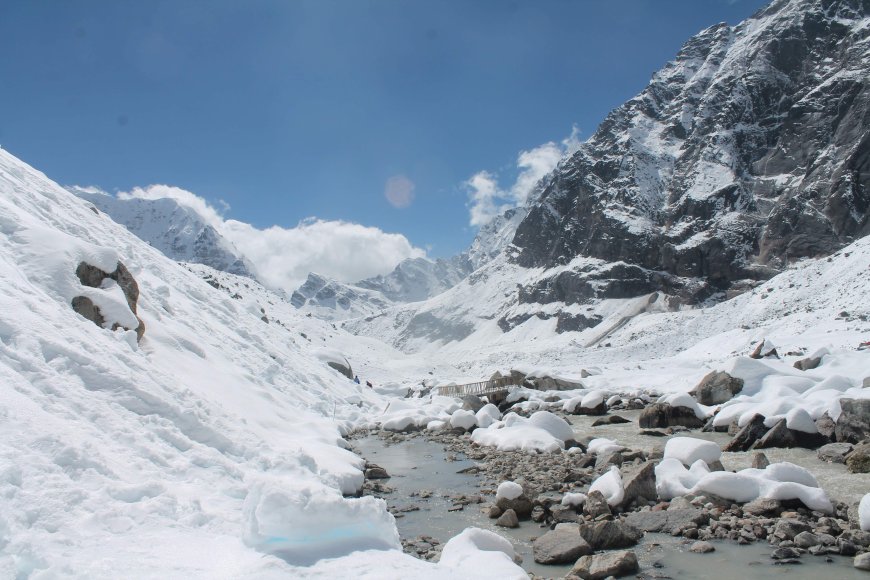
Rather than asking which month is best, ask which conditions you can actually handle. Snow lying on the higher sections changes what a crossing demands of you and can shut down the upper part of the route entirely. Monsoon-driven mud and leeches on the approach turn the walk-in into a different kind of day, and cloud can wipe out the views you came for. Whether the teahouses along your route are open for your dates decides whether this is a teahouse trek or a camping expedition for you. Pick the version of the trek you are equipped for, then check current conditions with your operator close to departure.
The order that works
Settle the park entry and your other paperwork first. Then decide how much time you are giving the approach, because that choice sets your acclimatisation margin. Then choose between teahouse and camping support on the basis of what is actually running for your dates. Difficulty and route comparisons come last, when you know what you are buying. Do it in that sequence and Makalu stays what it should be: a long, quiet walk into one of the most remote corners of the Nepal Himalaya.
What's Your Reaction?