



Tengboche Monastery: The Spiritual Stop on the Everest Base Camp Trek
Tengboche Monastery is the spiritual stop on the Everest Base Camp trek. What morning puja is like, when Mani Rimdu falls, visitor etiquette and what to verify before you go.

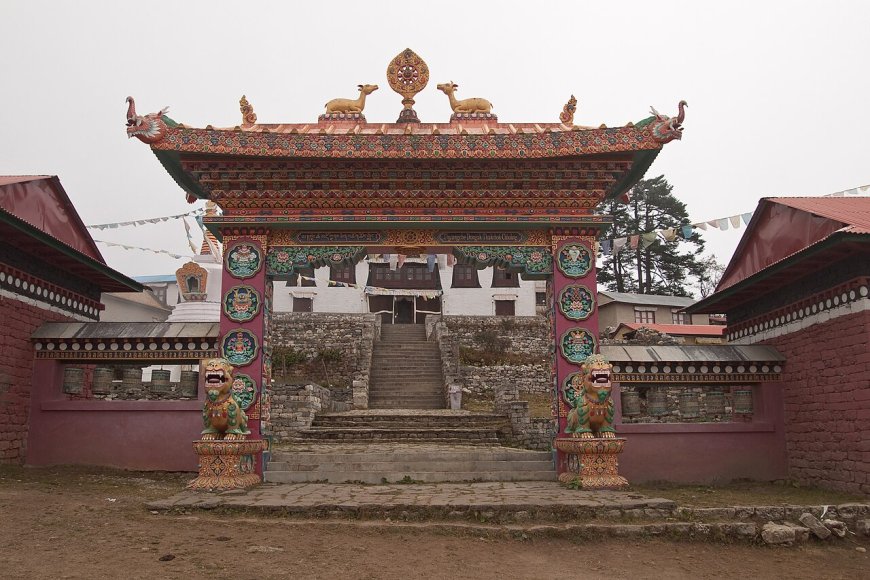
Almost everyone walking the Everest Base Camp trail passes through Tengboche. Most arrive around lunch, eat, photograph the painted gateway with Ama Dablam behind it, and walk on down the other side. That is a waste. The monastery is the reason this bend in the valley has been a gathering point for Sherpa communities for more than a century, and it makes far more sense as a night's stop than as a plate of dal bhat and a quick photo.
Where Tengboche actually sits
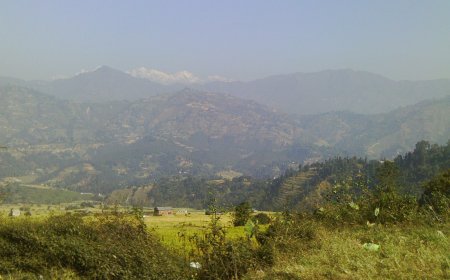
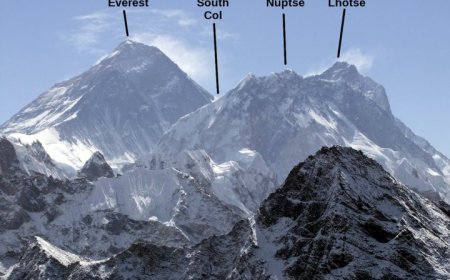
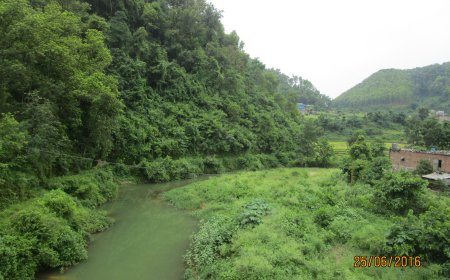
The monastery stands on a ridge above the Dudh Koshi, close to where the Imja Drangka joins the main river, and the walk in is one of the more memorable bits of the whole trek. Coming from Namche Bazaar you drop steeply through pine and rhododendron to the river at Phunki Tenga, cross it, and then grind back up through juniper and birch onto the ridge. It is a sweaty climb rather than a long one, and the trees open up all at once onto the courtyard, the whitewashed walls and the peak behind them.
Altitude figures for the monastery get quoted a little differently depending on the source, but you will usually see it placed just under 3,900 metres. That is high enough that plenty of trekkers get their first real headache of the trip here, and it is why Tengboche is usually a night's stop rather than a quick detour.
A working monastery, not a monument
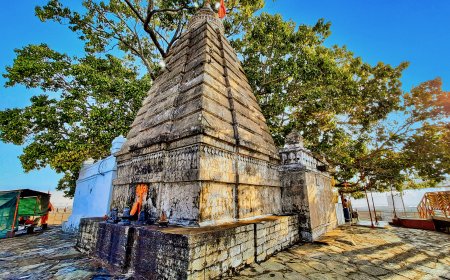
Tengboche was founded in the 1910s, so it is just over a century old. Since then it has burned and been rebuilt, and it took damage in the 2015 Gorkha earthquake, with repair and conservation work continuing for years afterwards. What you walk into is not a restored antique on a heritage list. It is a working institution with a daily rhythm that carries on whether or not anyone is coming up the trail, and the rebuilt parts were done in something close to the original style.
For Sherpa communities across Khumbu, the monastery sits at the centre of a landscape understood as a beyul, a hidden and blessed valley. You do not need the theology to feel it. The building, the mani walls, the forest around it and the festival calendar all belong to the same idea, which is that this valley is protected ground.
Morning puja, and how to behave at it
For a lot of people the most striking half hour of the whole trek happens in the prayer hall here before breakfast, with drums, long horns and low chanting filling a room that is still cold from the night. It is a religious service, not a show with a start time. Times shift with the season and the monastic calendar, attendance varies, and the number of monks present varies too. Ask the evening before. Someone at the monastery office or at your lodge will usually know when to turn up.
Sit towards the back and to one side. Keep the doorway clear. Phone on silent, no flash, and ask before you photograph anyone. Take your shoes off at the door, don't touch ritual objects, and don't sit on seats that are clearly set out for the monks. A donation is appropriate and there is no fixed amount. If you are unsure whether you should be there at all, look at what everyone else is doing and copy them.
Mani Rimdu: the one thing not to guess at
The big public festival at Tengboche falls in autumn, usually sometime in October or November. The dates move each year because they are set by the monastic calendar rather than the tourist one, and they are often confirmed fairly late. By mid-November the autumn festival has normally finished for the year, so if you are planning around the next one, treat it as roughly a year away and start from there.
Any specific date you find on an old blog post, an agency flyer or a photo caption is a guess unless the monastery itself or an official listing has confirmed it. Ask the monastery directly, or ask a Kathmandu agency that deals with the monks, before you book flights around a date. Lodges in Tengboche and Deboche fill up for the festival, so accommodation is worth sorting out at the same time you confirm the dates.
Etiquette on the grounds
Walk clockwise around the stupas and the mani walls, keeping them on your right. Dress modestly, and take your hat off inside the prayer hall. Don't smoke anywhere in the courtyard. Keep your voice down, particularly if a service is running. Ask before photographing people, and put the camera down entirely if someone signals that they would rather you didn't.
One more thing that is easy to get wrong: handing out sweets, pens or money to children at the monastery gate feels kind, but it is discouraged across the Khumbu trekking route because it pushes kids towards begging. If you want to give something back, give it to a lodge, a school or the monastery instead.
Permits and fees: what to check rather than assume
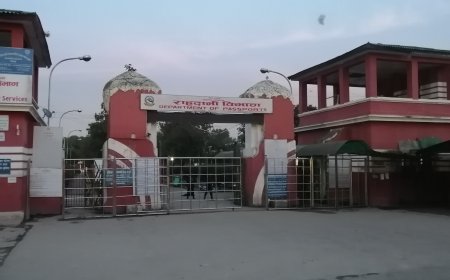
Sagarmatha National Park entry is issued by the Department of National Parks and Wildlife Conservation. Khumbu Pasanglhamu Rural Municipality also charges its own local fee, and the TIMS card situation in Khumbu has changed more than once in recent years. Fee amounts and the question of which card you actually need are exactly the sort of detail that goes stale online within a season.
So we have deliberately not printed numbers here. Check at the park entrance counter at Monjo, at the rural municipality counter, or through a trekking agency registered in Nepal, and budget for the possibility that the rules have shifted since the last blog post you read. Do the same for opening hours: the courtyard is generally open during daylight, the prayer hall is not always, and closures for rituals happen without much notice. Check locally when you arrive, because hours really do vary by season.
Altitude, and why the night matters
Tengboche is often the first night above 3,500 metres on a standard Everest Base Camp itinerary. A rest day in Namche beforehand makes a real difference, and so does drinking properly and going to bed early. If you arrive with a bad headache, nausea or a cough that won't settle, say so to your guide. Sleeping lower is almost always the right answer, and nobody has ever regretted walking back down.
If you only have an hour
Skip the queue for the gateway photo first, since it will still be there. Walk the short circuit around the monastery walls, sit in the courtyard for ten minutes without doing anything, and put your head into the prayer hall if it is open. That is a better use of an hour than a second cup of tea, and it is the reason people remember Tengboche long after they have forgotten the exact order of the villages on the way to Base Camp.
What's Your Reaction?