



Best Time to Trek to Everest Base Camp: A Month-by-Month Guide from Winter 2026–27 to Autumn 2027
A month-by-month comparison of Everest Base Camp trekking conditions from winter 2026–27 to autumn 2027, weighing visibility, temperature, crowds, teahouse availability and Lukla flight reliability so you can pick your window.

Ask five trekkers when to go to Everest Base Camp and you will get five answers, because the "best" month depends on what you are willing to trade away. Clear skies cost you crowds in October and April. Empty trails cost you warmth in January. This guide compares the windows from winter 2026–27 through autumn 2027 on five things at once: visibility, temperature, crowds, teahouse availability and trail conditions.
The short answer
If you want one pick, it is late September to early November, or late March to mid-May. Since the autumn window is already largely behind us this November, the next strong one runs from roughly mid-March into mid-May 2027, and the next clean autumn window is mid-September to early November 2027. The best time to trek to Everest Base Camp is really a trade-off, and the matrix below shows what each month asks you to give up.
Everest Base Camp weather by month, and what else moves with it
Treat these as patterns and ranges, not forecasts. Daytime highs are rough figures for Namche Bazaar (about 3,440 m) and Gorak Shep (about 5,164 m), and nights are always much colder than the numbers suggest.
| Month | Visibility and weather | Rough daytime high, Namche / Gorak Shep | Crowds | Teahouses |
|---|---|---|---|---|
| October | Very clear, stable, cold nights | 12°C / 2°C | Heaviest of the year | All open, book ahead |
| November | Clear early, hazier and colder late | 7°C / -3°C | Falls sharply after mid-month | Some high villages thin out late |
| Dec–Feb | Coldest, crisp but snow possible | 3°C / -10°C | Very quiet | Mixed above Tengboche |
| March | Improving, dusty afternoon wind | 9°C / -2°C | Building | Reopening |
| April | Clear mornings, cloud later | 12°C / 2°C | Second peak | All open, book early |
| May | Warm, hazy, pre-monsoon build-up | 15°C / 4°C | Busy early, quieter late | All open |
| Jun–Sep | Monsoon, cloud, rain and leeches low down | 17°C / 5°C | Minimal | Many closed |
October: best odds, biggest queue
An Everest Base Camp trek in October gives you the most reliable combination of clear mornings, dry trails and fully staffed lodges. It also gives you the most people. Expect full teahouses from Phakding upward and a queue for the morning flight out of Lukla. If you go, book beds and flights months ahead, not weeks.
April: your season overlaps the climbers'
An Everest Base Camp trek in April runs alongside the expedition season, which is why Base Camp itself is a small city of tents and why Gorak Shep and Lobuche fill up. The trade is good weather, longer days and warmer mornings than October. Late April and early May are the sweet spot before pre-monsoon haze thickens.
December to February: cold, quiet, mostly open
Winter is underrated by people who have never tried it. Trails are empty, skies are often perfect, and the villages feel like villages again. The catch is genuine cold at altitude, short daylight and the occasional heavy snowfall that closes high passes and delays flights for days. You need a proper sleeping bag and a flexible return date.
Is a Khumbu teahouse open in winter?
In Namche and Lukla, yes, almost always. Above Tengboche it gets patchy: some lodges shut for weeks, others stay open with a skeleton crew and a reduced menu. Phortse, Dole and Machhermo along the Gokyo line thin out more than the main Base Camp trail. Plan your last two nights around the lodges that are known to stay open, and confirm by phone rather than assuming.
Where the crowds actually form
A crowd calendar by month is only half the picture. On a standard 12-day itinerary the pressure points are predictable: the Lukla morning flight bank on day one, the Namche acclimatisation days, the Tengboche and Pheriche stretch around days five to seven, and the Lobuche to Gorak Shep push around day nine. The Base Camp day itself spreads out. Kala Patthar at sunrise is the one true bottleneck, so consider an afternoon or a later morning instead.
Lukla flights are the real bottleneck
Lukla flight delays by season follow a simple rule: cloud and wind decide your day, not the airline. Autumn is generally the steadiest, though morning valley fog can still cancel the first rotation. Winter brings cold, fog and the odd snow closure. Spring afternoons get windy, so early departures matter. Monsoon is the worst, with multi-day stacks of stranded trekkers. Helicopter transfers help in peak season but cost real money and are weather-dependent too. Always leave a buffer day before your international flight home.
Shoulder windows, compared honestly
The Everest Base Camp shoulder season is not one thing. Late September is fresh, green and clear, with some mud still below Namche. Late May is warmer and hazier, quieter than April, with afternoon cloud that usually clears by evening. Late November is cold and very clear, and the trail empties out after the first fortnight. Of the three, late September and late November give you the best light for photographs.
Book spring 2027 now, not in February
If you are planning an Everest Base Camp trek for spring 2027, the practical deadline is sooner than you think. Lukla seats for April sell out months ahead through agencies, and good teahouses in Namche and Dingboche get held early for the peak weeks. Decide between late March (colder, quieter) and late April (warmer, busier) and lock the flights first. Everything else can follow.
So which season wins
The best season for an Everest Base Camp trek, for most people, is October or April. If you can take cold and want solitude, December and January will reward you. If you are flexible and want a compromise between weather and people, aim for the last week of September, the second half of November, or early March.
Permits, altitude and money
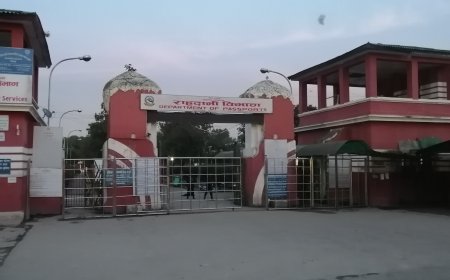
Permit arrangements in the Khumbu have shifted between agencies more than once in recent years, and this page deliberately prints no figures rather than stale ones. Before you pay anyone, confirm directly with your trekking agency or the park office in Namche which permits your route needs, who currently issues them, what they cost today, and whether a licensed guide is required for your itinerary. Get that in writing.
On health: altitude sickness is the single most common reason treks end early, and no season protects you from it. Build in acclimatisation days, ascend slowly above Namche, and treat a bad headache that will not shift as a signal to descend, not to push on. If this site ever links to an operator, a guide service or gear shop, that commercial relationship will be disclosed clearly on the page.
Seasonal note: the patterns described here reflect the normal annual cycle in the Khumbu and are re-checked before each trekking season. Last reviewed November 2026.
What's Your Reaction?