






Why Nepal Imports Electricity in Winter: Run-of-River vs Storage Hydropower
Nepal imports electricity every winter because its hydropower fleet is dominated by run-of-river plants that produce almost nothing from December to February, while Kulekhani I and II are the only operating storage schemes able to shift monsoon water into the dry season. Winter demand is also climbing with electric cooking and EV charging.

Nepal's grid runs mainly on run-of-river plants. They generate hard while the monsoon rains are falling and idle once the rivers shrink. That seasonal mismatch, months of surplus from June to September followed by a deep shortfall from December to February, is why the country imports electricity every winter. With almost no reservoir capacity to shift monsoon water into the dry months, and winter demand climbing as households take up electric cooking and EV charging spreads, imports over cross-border links have become a structural feature of the system rather than an emergency measure.
Why Nepal imports electricity in winter
Run-of-river vs storage hydropower
Three broad types of hydropower sit on the Nepali system, and only one can move energy across seasons.
Run-of-river plants divert river flow through turbines with next to no storage. Their output follows the river hour by hour, so it rises and falls with the rain. Peaking run-of-river (PRoR) schemes add a few hours of pondage, enough to push generation into the evening peak, but nowhere near enough to carry water from August into February. Storage hydropower, with a reservoir held behind a dam, is the only technology that can capture monsoon surplus and release it during the dry season.
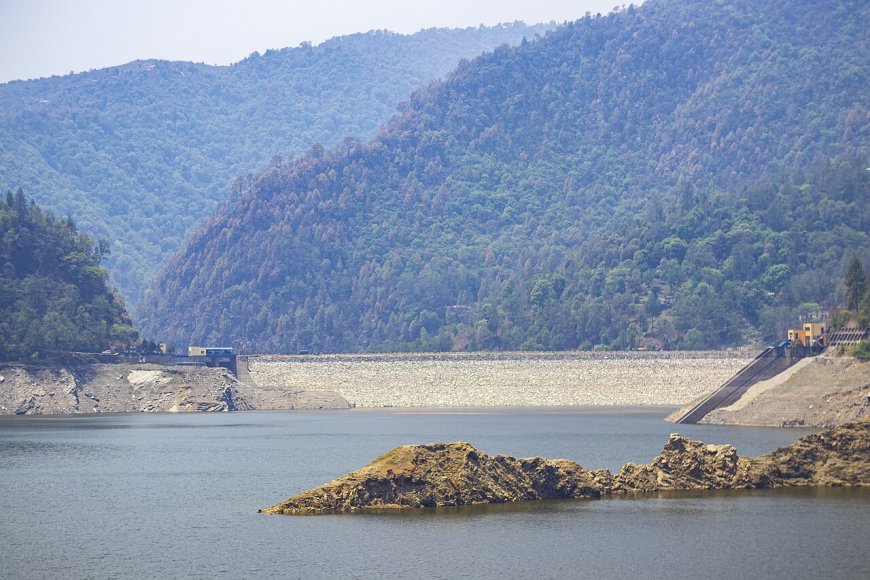
Nepal's only operating storage projects are Kulekhani I (60 MW) and Kulekhani II (32 MW), both fed by the Kulekhani reservoir. Tanahu (140 MW), under construction on the Seti River, will add meaningful reservoir capacity once commissioned. Budhi Gandaki (1,200 MW) is still in preparation. That is the country's entire ability to shift water between seasons, and it is small next to the run-of-river fleet, which makes up the great majority of installed capacity.
How the seasonal gap forms
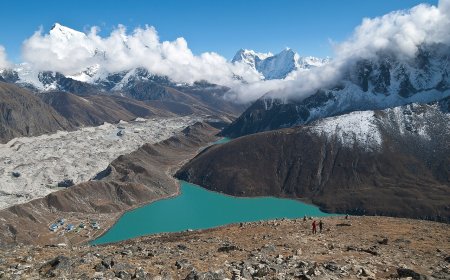
Hill and Terai rivers are rain-fed. Their flow collapses after the monsoon and stays low for months. High-mountain rivers hold a baseflow from groundwater and snowmelt, but glacier melt contributes most in the pre-monsoon window of April and May, not in mid-winter. That is why the February trough is deeper than the April one: February leans almost entirely on baseflow, while April catches the first melt pulses.
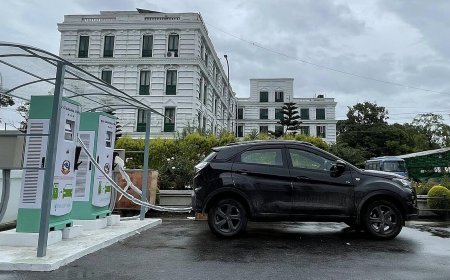
Meanwhile demand peaks on cold winter evenings, and it keeps rising as more households switch to electric cooking and more vehicles plug in around the Kathmandu Valley and other urban centres. A grid weighted toward run-of-river plants therefore ends up long on energy in August and short in February, and nothing about policy or market design changes that on its own.
Plants without pondage add only monsoon energy. PRoR projects narrow the daily peak but not the seasonal deficit. The gap closes when storage capacity grows, when demand-side management flattens the winter peak, or when power can be bought from a neighbour whose rivers run on a different calendar.
Cross-border trade in 2026
The 400 kV Dhalkebar–Muzaffarpur line, in service since the early 2020s, is the main artery for large-volume exchange. Nepal's side of the trade is no longer just the Nepal Electricity Authority: private generators and licensed traders sell surplus into the Indian power exchanges and buy back in the dry months. The Nepal–India Long-Term Power Trade Agreement signed in January 2024 set a target of 10,000 MW of Nepali exports over ten years. The tripartite Nepal–India–Bangladesh arrangement, operational since late 2024, lets Nepal route monsoon surplus to Bangladesh through Indian corridors. On the Indian side the Union Ministry of Power issues the cross-border trade guidelines, the Central Electricity Regulatory Commission frames the regulations, and the exchanges clear short-term volume. Prices there move with Indian demand, which peaks in India's own summer, so a winter purchase by Nepal is a commercial decision as much as a physical one.
Where to find the numbers
For a capacity split by plant type, go to the NEA Annual Report, but check which period you are holding. The FY 2080/81 edition covers 2023/24 and has since been superseded by later volumes, and installed capacity has grown since it was written, so treat its totals as historical rather than current. Newer editions, and the Department of Electricity Development's monthly progress reports, carry more recent figures. Check the edition month, the table number and whether capacity is given in MW or in some other unit before you quote anything.
Cross-border volumes appear in NEA's monthly dispatch summaries and in the Indian power exchange daily reports. The two sides publish on different timelines, so always note the period and the reporting body alongside any number you take from them.
What's Your Reaction?