



Ghandruk Village Guide: Gateway to the Annapurna Trekking Region
A practical guide to Ghandruk in the Annapurna Conservation Area: how to get there, ACAP permits and TIMS rules, teahouses, the Gurung Museum, the Tadapani day hike, onward trekking routes and the best seasons to visit. Fee amounts and prices are left to be confirmed at the counter rather than quoted from outdated sources.

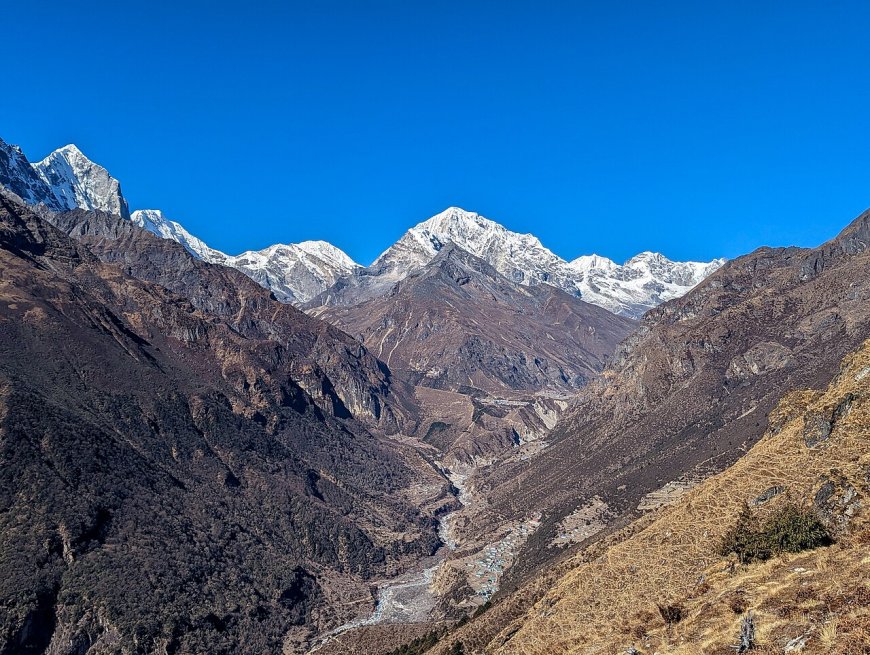
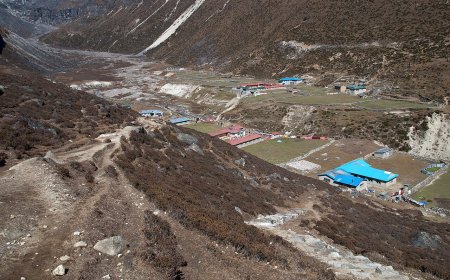
Ghandruk sits on a south-facing ridge above the Modi Khola, a tight cluster of stone houses and flagstoned lanes that has been putting up trekkers for decades. At around 1,940 m it is high enough for frost on the grass and a front-row view of Annapurna South and Machhapuchhre, and low enough that most walkers won't feel the altitude at all.
Getting there
Most people come up from Pokhara: a jeep as far as the road goes, then a long stone staircase that takes a couple of hours at an easy pace. You can also stay in the vehicle to Kimche on a rough stretch of road and cut the climb to under an hour. Road conditions change with the season and with whatever the last monsoon did to the hillside, so ask at your Pokhara guesthouse the morning you leave and keep some slack in the day. A landslide in July or August can turn a short drive into a very long one.
Permits
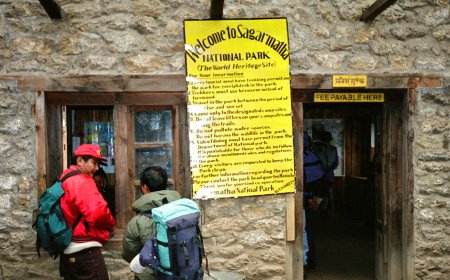
Ghandruk is inside the Annapurna Conservation Area, so you need an ACAP permit. They are issued by the National Trust for Nature Conservation at their Pokhara office, or at the checkpost on the way in at Birethanti. Rates differ by nationality (Nepali citizens go free, SAARC nationals pay less than other foreign visitors) and they get revised every few years, so treat any figure you find online, including old blog posts, as a starting point and confirm at the counter. Bring passport photos and cash.
On TIMS: the rules have been adjusted more than once in recent years, and whether a separate Trekkers' Information Management System card is needed alongside your ACAP permit has depended on the route and the season. Ask when you buy the permit. It takes an extra minute and saves an argument at a checkpost.
Where to stay
There are dozens of teahouses. The older family-run places have shared bathrooms and thin walls; the newer lodges have attached baths, hot showers and better insulation. Quoted room rates generally assume you will eat dinner and breakfast in the same kitchen, which is how the families actually make their money, so if you plan to eat elsewhere say so when you check in. Dal bhat, momos, Tibetan bread, and in autumn whatever is coming off the terraces below the village.
Things to do in and around Ghandruk
- Gurung Museum. Small, community-run, a couple of minutes from the main square. Traditional dress, farm tools, photographs and a plain account of Gurung history and the Gurkha regiments. There is a small entry fee.
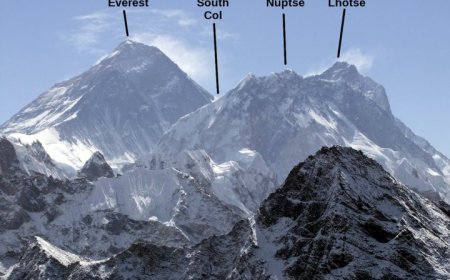
- Sunrise viewpoint. Fifteen minutes uphill from the square puts you above the rooflines, with Annapurna South, Hiunchuli and Machhapuchhre lined up in front of you. Go early; valley cloud builds fast once the sun is properly up.
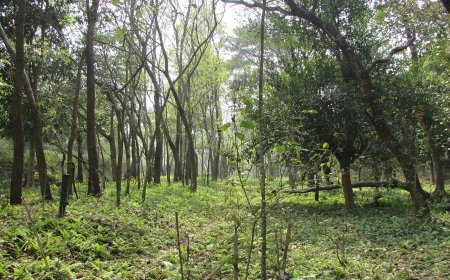
- Day hike to Tadapani. Three to four hours each way through rhododendron and oak. The blooms come roughly March into April, earlier lower down. Tadapani sits higher and gives you a closer look at the Annapurna massif.
- Gurung dance evening. Several lodges will arrange a performance for a group. Agree the price beforehand and check that the money actually reaches the performers.
Ghandruk as a trailhead
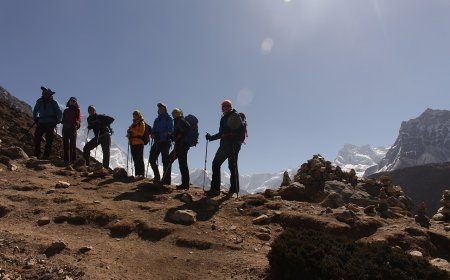
The village connects to three useful routes. The Ghorepani and Poon Hill loop often descends through Ghandruk, and plenty of trekkers start or finish here to save a day. The Annapurna Base Camp trail branches off near Kimche; see our day-by-day Annapurna Base Camp itinerary if that's your plan. A quieter and very scenic option heads east towards Landruk and Dhampus, linking up with the Australian Camp ridge.
Best time to visit
October to November and March to April bring the most stable weather and the clearest mountain views. December to February are cold at night, sometimes below freezing, but quiet and cheap. The monsoon months mean leeches, slippery trails and peaks hidden in cloud. The village stays reachable through the rain, but the rhododendrons are long finished by then.
Practical notes
- Cash only. There is no ATM in the village, so arrive with enough for rooms, meals and tips.
- Power comes from solar and micro-hydro. Most lodges charge a small per-hour fee to charge devices, and nobody is running a heater.
- Water: refill with boiled or filtered water at lodges for a modest charge, or bring a filter. Bottled water is discouraged and gets dearer the higher you walk.
- Ntc and Ncell both have signal in the village. Data gets patchy on the trails either side.
- The climb up from Kimche is genuinely steep for the first stretch. Poles help more than pride.
Ghandruk works equally well as a two-night cultural stop or as a launchpad for longer treks. It is compact enough that you will recognise faces by your second morning: the shopkeeper who remembers your tea order, the guide who points out a viewpoint nobody else bothers with. That familiarity, more than the mountains, is what brings people back.
What's Your Reaction?