











How Nepali Manufacturers Can Plan a Used Machinery Import in 2026
A practical guide for Nepali manufacturers planning to import used machinery in 2026, covering classification, eligibility, inspection, permits, payment, documents and landed-cost planning without relying on unverified rates.

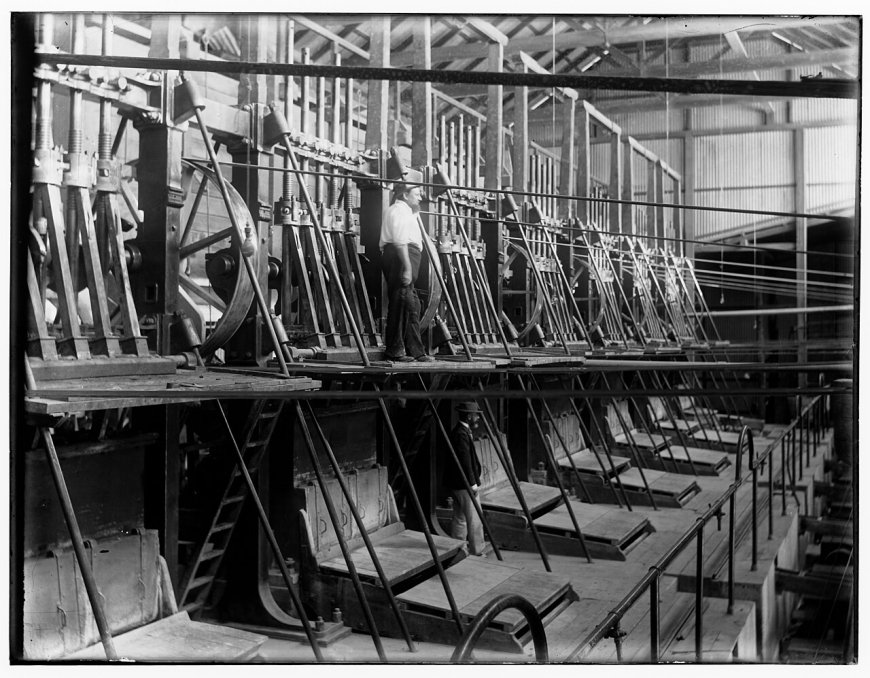
Used machinery can reduce the upfront cost of expanding a factory, but the final expense depends on the machine, its classification, condition, country of supply and shipping route. Customs and tax rules can also change between the purchase agreement and the clearance date. Manufacturers should therefore verify every requirement with the Department of Customs, the relevant approving authority and an authorised bank before making a non-refundable payment.
Confirm the machine and its customs classification
Collect the make, model, serial number, manufacturing year, technical specifications, production capacity, photographs and intended use. These details help determine the correct HS code, which affects the applicable customs treatment.
Similar machines may fall under different headings depending on their function. Do not rely only on the overseas seller's classification. Ask a licensed customs broker or the relevant customs office to review the proposed code, and allow for the possibility that customs may classify the equipment differently when it is declared.
Check eligibility before buying
Used equipment may face additional requirements relating to age, safety, emissions, environmental impact or intended use. The rules can differ between production machinery, power-generating equipment, earthmoving machines and other specialised categories.
Seek written guidance from the Department of Industry and any other relevant authority before finalising the purchase. If a recommendation, registration, technical approval or environmental clearance is required, complete that step through the official channel and keep a copy of the approval with the shipment records.
Calculate customs duty and VAT from a current estimate
Customs duty depends on the confirmed HS code, the machine's origin and any concessions that may apply. Import VAT, where applicable, is calculated under the tax law in force on the declaration date. The taxable base may include customs value, duty and other charges, so an old estimate or a generic percentage should not be used for budgeting.
Ask a customs broker for a dated calculation showing the proposed classification, duty rate, tax base, applicable VAT and any supporting documents needed for concessions. Also confirm with the company's tax adviser whether input tax credit may be available.
Find out whether inspection or testing is required
Some categories of used machinery may require pre-shipment inspection, technical testing or standards, safety or environmental approval. The requirement depends on the equipment and its origin; it should not be assumed that every machine follows the same process.
Before dispatch, contact the Nepal Bureau of Standards and Metrology and the customs office handling the shipment. Ask whether inspection is required, which agency is accepted and what format the report must follow. The model and serial number in the report should match the commercial documents and the physical machine.
Arrange payment and foreign-exchange approval
Payment by letter of credit, telegraphic transfer or another method may involve different documents and bank requirements. An authorised bank should confirm the required purchase documents, any technical approval and whether additional approval is needed for the transaction.
Obtain these instructions before signing the sales contract. Bank charges, conversion costs and documentary requirements vary, so they should be included in the supplier's written quotation and the buyer's internal budget.
Build a complete landed-cost estimate
- Purchase price and charges assigned to the buyer under the agreed Incoterm
- International freight and insurance
- Customs duty and applicable taxes
- Inspection, testing and certification
- Customs brokerage, terminal and port charges
- Possible storage or demurrage costs
- Inland transport, unloading and rigging
- Bank charges and foreign-exchange costs
- Installation, electrical work, spare parts and repairs
Request dated written quotations and make the responsibility for each cost clear in the purchase agreement. The lowest machine price is not always the lowest total cost, particularly when an older unit needs extensive servicing or factory modifications.
Prepare consistent documents
The exact document set varies by shipment, but it may include:
- Commercial invoice
- Packing list
- Bill of lading or airway bill
- Certificate of origin
- Insurance document
- Technical specifications and catalogue
- Evidence of manufacturing date and machine identity
- Required recommendations or approvals
- Inspection or testing report
- Payment and foreign-exchange documents
- Customs declaration
Check that the seller's name, buyer's name, value, origin, HS code, model and serial number agree across all documents. Incorrect or inconsistent information can lead to queries, storage charges or reassessment at clearance.
A practical sequence to follow
- Define the machine, capacity and intended factory use.
- Obtain a preliminary HS classification.
- Get written advice on eligibility, inspection and permits.
- Confirm payment and foreign-exchange requirements with an authorised bank.
- Obtain a current landed-cost estimate and written supplier terms.
- Complete required approvals and inspections before dispatch.
- Check all shipping documents before the machine leaves the seller.
- Submit the customs declaration and respond promptly to any query.
- Arrange inland transport and installation after customs release.
Requirements may change between quotation and arrival, so retain official replies, current tariff information, applications, approvals and bank instructions. If the classification, age eligibility or inspection requirement remains unclear, pause before committing non-refundable funds. That caution is usually more valuable than a rough estimate based on an old import.
What's Your Reaction?