


How Tihar Works in Nepal: Laxmi Puja, Bhai Tika, Deusi-Bhailo and the Five-Day Sequence
A clear, evergreen guide to the Tihar festival in Nepal: the five-day sequence, Laxmi Puja customs, Govardhan Puja and Mha Puja (Nepal Sambat new year), Bhai Tika ritual, Deusi-Bhailo traditions, and how public holidays are gazetted. Includes glosses for key Nepali terms and practical notes for residents and visitors.

Tihar, the five-day festival of lights that follows Dashain, moves through a fixed sequence each autumn. In 2026 the festival falls in early November, but the mechanics stay the same year after year. The festival honours crows, dogs, cows, oxen and finally the bond between brothers and sisters, with Laxmi Puja sitting at the centre as the night households invite prosperity. What follows is a walk through the structure, the key rituals — including Mha Puja and Nepal Sambat, the Newar new year — and the practical side of public holidays and Deusi-Bhailo.
The five-day sequence
The order runs: Kaag Tihar (crows), Kukur Tihar (dogs), Gai Tihar and Laxmi Puja (cows and the goddess of wealth), Goru Tihar or Govardhan Puja (oxen), and Bhai Tika (brothers and sisters). This pattern is fixed in the lunar calendar and repeats annually; the Nepal Panchang Nirnayak Samiti publishes the exact Gregorian dates each year. Our separate guide to Kukur Tihar covers the dog day in detail.
Laxmi Puja: the night of invitation
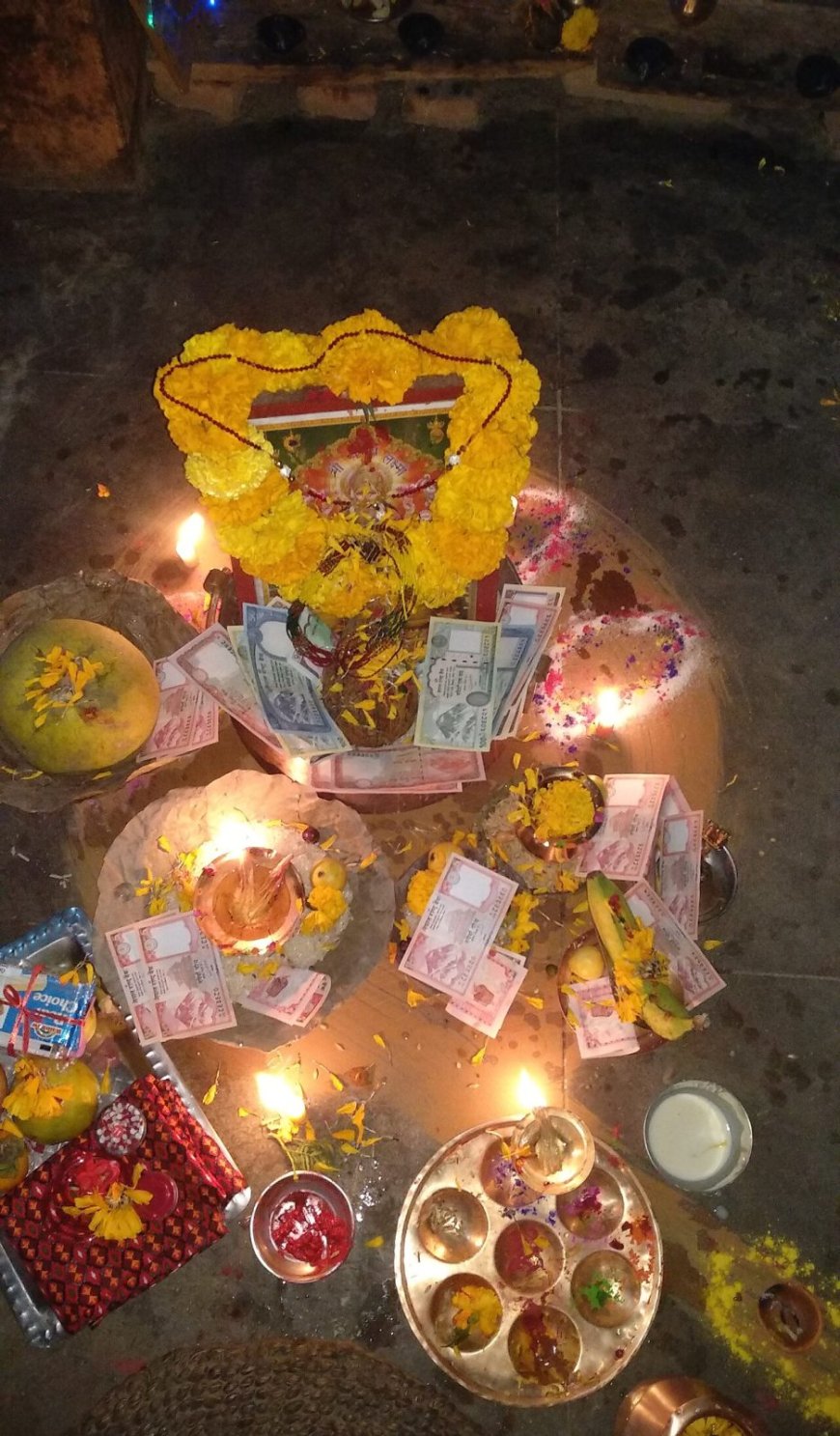
The third night belongs to Laxmi Puja. Households clean thoroughly, lay out rangoli patterns at entrances, and light rows of diyo (oil lamps) or electric strings to guide the goddess. A small mandir is set up with a kalash (a metal pot topped with mango leaves and a coconut, symbolising abundance), coins, and often a new ledger or account book to mark the financial year's renewal — businesses traditionally close their old books and open new ones after this puja. Families perform the ritual with flowers, incense, and offerings of sweets, fruits, and sel roti (a ring-shaped rice-flour bread). The evening timing varies by household, but the puja typically begins after sunset and stretches late into the night.
Govardhan Puja, Mha Puja and Nepal Sambat
The fourth day carries a dual identity. As Govardhan Puja (or Goru Tihar), it honours oxen with tika, garlands and special feed. For the Newar communities of Kathmandu Valley, the same day is Mha Puja — "worship of the self" — where each family member sits before a personal mandala and offers prayers for longevity and strength. That evening also opens Nepal Sambat, the Newar lunar new year, celebrated with processions, cultural programmes and community feasts across the valley. The three threads — ox worship, self-renewal, and the new year — make this the densest ritual day of the festival.
Bhai Tika: the sibling bond
The final day centres on the sibling ritual. Sisters apply a multi-coloured tika on their brothers' foreheads, offer garlands of marigold and makhamali (globe amaranth, a long-lasting purple flower), and present sagun — a ritual gift tray typically holding dried fruits, nuts, sweets and sometimes a small cash envelope. Brothers reciprocate with gifts and a promise of protection. The Nepal Panchang Nirnayak Samiti announces the auspicious muhurat (timing) each year; readers should check the current year's notice for the exact window.
Deusi-Bhailo: door-to-door song and community
Groups of children and young people move through neighbourhoods singing Deusi (traditionally male groups) and Bhailo (traditionally female groups), collecting offerings of money, fruit, or sel roti. Visits usually start after Laxmi Puja and run through Bhai Tika, tapering off after the fifth day. Households typically give dakshina (cash), fruit, or homemade treats. Noise and safety rules are set by local ward offices — there is no nationwide curfew or permit system, but it is courteous to wrap up by late evening and to avoid streets after 10 pm in residential areas.
Public holidays
Nepal's festival holidays are gazetted by the Ministry of Home Affairs through the Nepal Gazette (Nepal Rajpatra). The ministry typically issues a notification weeks ahead, listing the days government offices and schools will close — usually covering Laxmi Puja through Bhai Tika, a three-to-four-day stretch. The gazette is the authoritative source; readers should confirm the current year's list there or via the ministry's website.
Heritage context
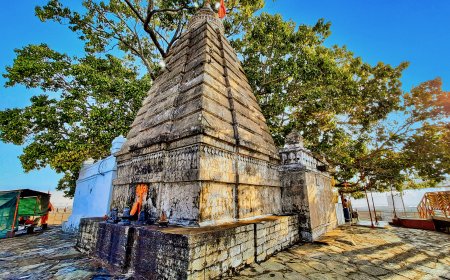
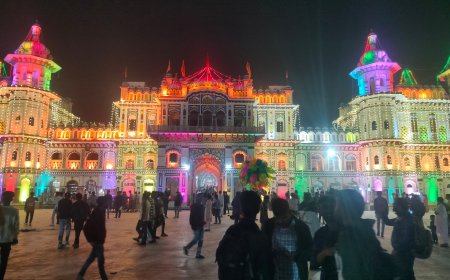
Many of the most visible celebrations cluster around Kathmandu Valley heritage sites — Durbar Squares, temple courtyards, and bahals — where communal puja and Deusi-Bhailo gatherings amplify the festival's social dimension. The core mechanics, however, remain household-centred.
What's Your Reaction?