





Kathmandu Airport Arrival: The Order to Do Things at TIA
Landing at Tribhuvan International Airport? Here is the order to do Kathmandu airport arrival in, from immigration and bags to cash, a SIM and a ride into town.

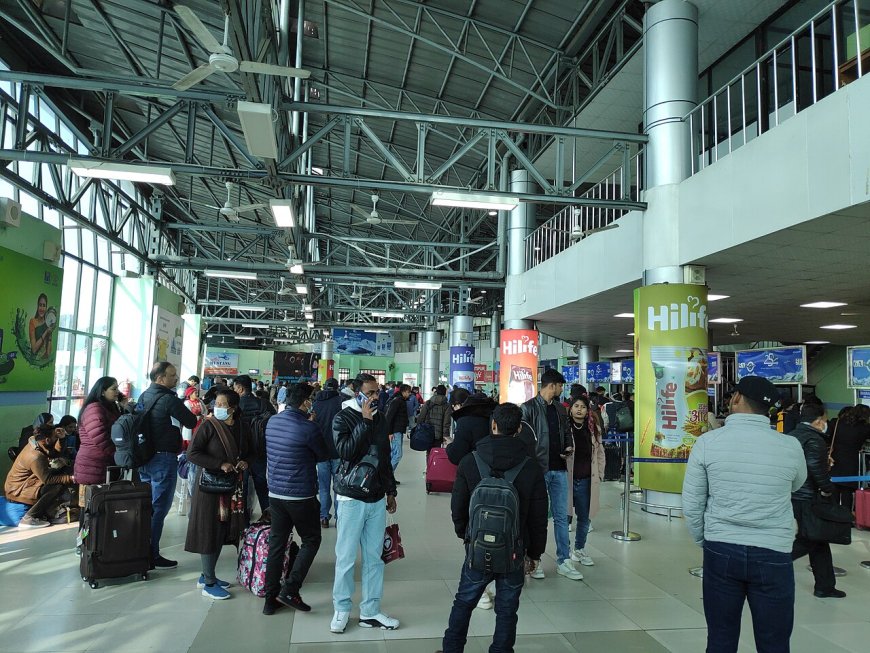
Plenty of Kathmandu arrival guides spend their whole length on one step. This one is about the order, because the order is what actually catches people out. You land at Tribhuvan International Airport and within roughly the same hour you have to clear immigration, collect a bag, get through customs, sort money, sort a SIM and get into the city. Do those in the wrong sequence and you end up queuing twice for things that could have been handled once.
Before the flight, not at the counter
Three things are worth settling at home. Your passport needs enough validity left on it (six months is the benchmark most airlines apply, but check your own carrier). You want a passport photo or two in your bag, because the SIM counter will ask for one. And you need to know which visa route you are on, because they are not the same queue.
Visa on arrival is the walk-up route: you fill the form at the terminal, pay at the counter, then join the immigration line. The pre-approved option is done online before you fly and produces an approval document you print and carry with you. The fees move with nationality and length of stay, and they are posted at the counter rather than fixed forever, so check the Department of Immigration site in the week you travel instead of trusting a number from a blog written three years ago. Bring cash in a major currency regardless. Treat a working card reader as a bonus, not a plan.
The sequence after you step off
Immigration comes first. Before baggage, before anything. If you are on visa on arrival, do the form and the payment before you join the line, not while standing in it with your bag at your feet. If you are pre-approved, keep the printout in your hand and make sure it is the same passport you applied with. Names and numbers that do not match cause delays that are entirely avoidable.
Then bags. Then customs, where green means nothing to declare and red means you do. Then the doors open into the arrivals hall and the second half of the job starts.
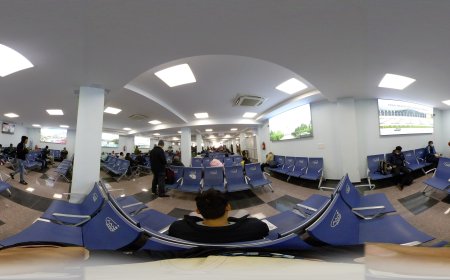
In the hall, the temptation is to do everything at once. Do it in this order: money, then connectivity, then transport. Cash first, because the SIM counter and the taxi both want it. SIM second, because it takes the longest and the queue is worst right after a bank of flights lands. Transport last, because you do not want to be standing at a taxi window holding two bags while your data is still activating.
Money in the hall
There are ATMs and exchange counters in the arrivals area. Airport exchange rates are usually the worst you will see in Nepal, so change a small amount to get you through the first day and do the rest in the city. Foreign cards can be fussy: a card that works at home may be declined by a Nepali ATM, and some machines cap withdrawals low. Carry a second card and some cash. If a machine refuses you twice, move on rather than feeding it your card a third time.
SIM cards
Nepal Telecom and Ncell both sell tourist SIMs, and both have counters at or near the arrivals hall. You need your passport, a photo and a few minutes. Tourist packages are priced in tiers by duration and data allowance, and those prices change, so read the board at the counter rather than going in with a figure in your head. Buy the shortest package that comfortably covers your first week. Topping up later is straightforward.
Getting into the city
Two options, basically. The prepaid taxi counter inside the terminal sells a fixed fare to a given area, which sounds dull and is usually the least stressful choice when you have just landed. Taxis outside are negotiable, and you should agree the price and confirm the currency before the door closes. Ride-hailing apps work in Kathmandu, but the terminal is the fiddly part: pickup points and where drivers are allowed to wait have changed more than once, so check the app's pickup instructions when you land rather than assuming the spot a friend used last year still applies.
If you are connecting to a domestic flight
The domestic terminal is a short walk from the international one, which is convenient and also a small trap. A short walk is not the same as a short connection. You still clear immigration and customs, collect your bag and re-check it, and cross over. Leave a real buffer, and if you are booking, prefer a connection you can miss and rebook over one that only works when everything is perfect.
Have these in your hand, not your checked bag
Passport, visa printout if you have one, a pen, a passport photo, and some cash in a major currency. That is the whole kit. Everything else in this process is queueing.
One scope note: this covers international arrivals at TIA and stops at the terminal door. Departures, domestic ticketing and permits are separate jobs and separate pieces.
What's Your Reaction?