


Sunsari District Guide: Dharan, Itahari, Inaruwa and the Koshi Corridor
A practical guide to Sunsari district through its three connected towns — Dharan, Itahari, Inaruwa — and the Koshi corridor that binds them, with heritage sites and transport reality.

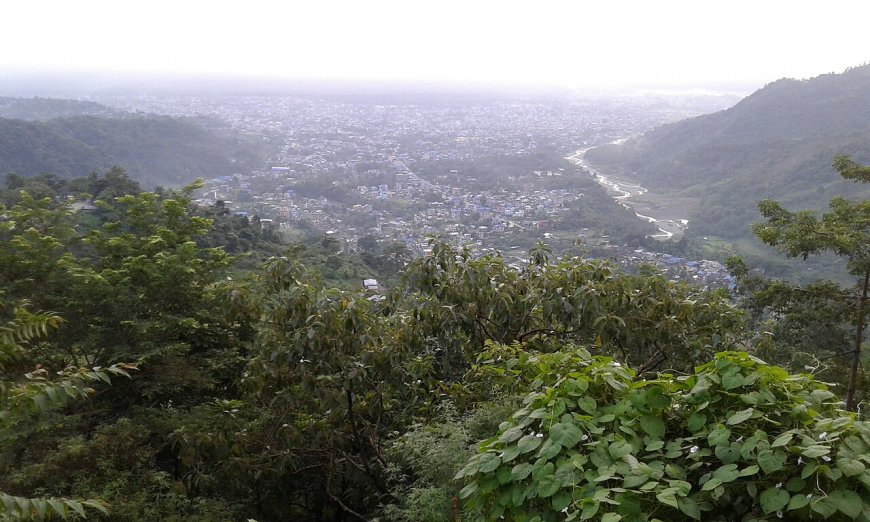
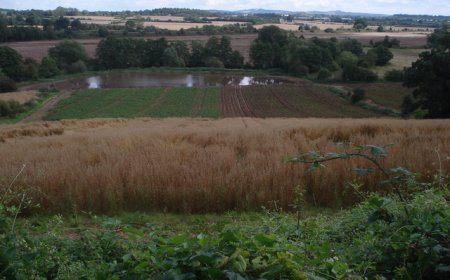
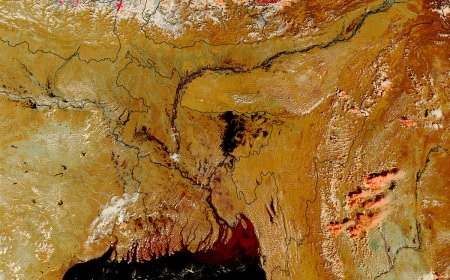
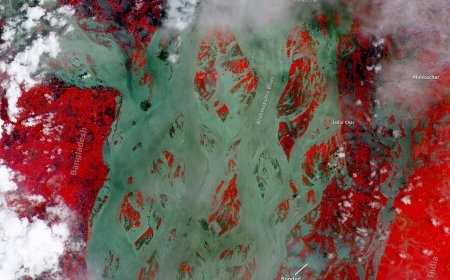
Sunsari stretches across the eastern Tarai where the Koshi River fans out from the hills, a district shaped less by boundaries than by movement. The Koshi corridor — the east-west highway braided with the north-south road climbing toward Dhankuta — turns three towns into a single travel rhythm. Dharan, Itahari, Inaruwa: each has its own pulse, but they read best as stops on one continuous line.
Where the plains meet the foothills
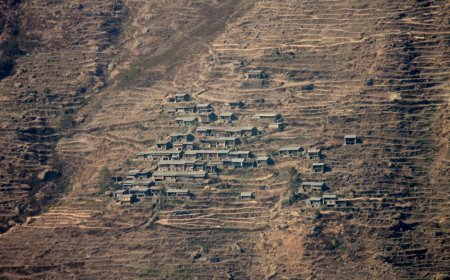
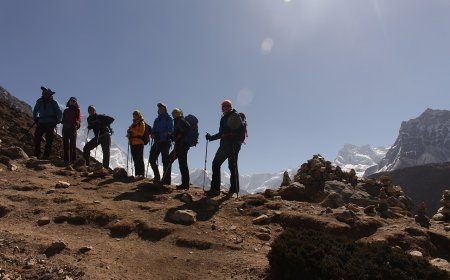
Dharan sits at the Chure edge, where the air cools and the street grid breaks into lanes that climb toward tea gardens. The town grew around a British Gurkha recruitment centre that closed decades ago, leaving behind wide avenues, a clutch of colleges, and a market that still feels half-military, half-student. Morning mist hangs over the Ghopa bazaar; by noon the main road hums with buses bound for the hills. You come here for the climate, for the trailhead to Bhedetar, and for the quiet that settles after the last jeep departs.
The junction that never sleeps
Itahari is different — louder, flatter, relentless. The Koshi highway crosses the east-west route here, and the intersection never really empties. Trucks from Biratnagar share space with motorcycles heading north, pilgrims bound for Barahachhetra, commuters stepping off microbuses. There is no postcard centre, just a sprawl of lodges, mechanic yards, and snack stalls that serve dal-bhat at 3 a.m. If you need a tyre changed, a SIM topped up, or a seat on the next bus to Kathmandu, this is the place. The town makes no apology for its utility.
Administrative quiet in the east
Inaruwa lies further east, off the main artery, where the road narrows and the traffic thins. As the district headquarters it carries the rhythm of government offices — land records, revenue, the slow bureaucracy that keeps the region running. The market squares are smaller, the pace deliberate. A visitor stops here when the corridor fatigue sets in, or when the plan includes a side trip to the Koshi barrage where the river is tamed into canals. The town does not perform for tourists; it simply exists, and that can be a relief.
One corridor, three rhythms
The genius of this district is how the three towns complement each other. Dharan offers altitude and escape; Itahari offers connection and grit; Inaruwa offers stillness and access to the river's edge. A traveller with two days can sleep in Dharan, ride the highway through Itahari at dawn, and watch the sunset at the barrage from Inaruwa. The Koshi highway stitches it together — no dramatic scenery, just the steady geography of a corridor that has moved people and grain for generations.
Heritage along the river
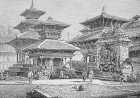
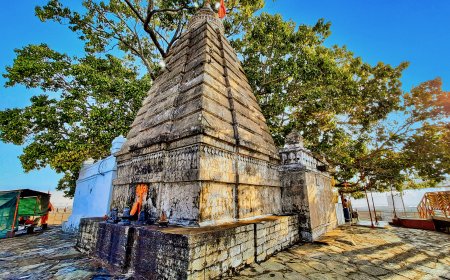
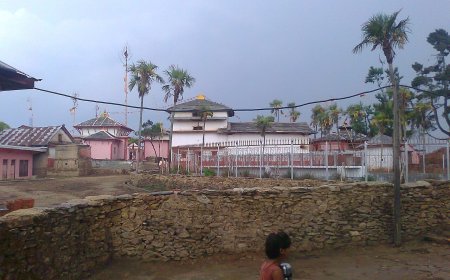
Barahachhetra temple sits where the Koshi leaves the hills, a stone complex dedicated to Vishnu in his boar incarnation. Pilgrims gather here during Kartik and Makar Sankranti, but the site holds its dignity year-round. Shrines dot the riverbanks upstream and down, each with its own priestly lineage and festival calendar. The area rewards slow walking — steps worn by centuries, the smell of sandalwood and dung fires, the river's roar muted by distance. No guidebook list captures it; you have to stand on the ghats and listen.
Getting there and around
Biratnagar airport sits close to the southern border, a short drive from Itahari on a road that widens and narrows with the seasons. Buses from Kathmandu reach Dharan in roughly ten hours, Itahari in eleven, depending on the monsoon. The Dharan–Dhankuta road climbs steeply from the town's northern edge — shared jeeps leave when full. Local buses and tempos connect all three towns along the highway; they run early and late, no schedule needed. For the barrage and Barahachhetra, a hired motorcycle from Inaruwa works best — the last kilometre is a dirt track that floods after heavy rain.
What's Your Reaction?