

Mahottari District Guide: Jaleshwar, Bardibas and Life on the Madhesh Plains
A practical guide to Mahottari district in Nepal's Madhesh Province: where it lies, what Jaleshwar and Bardibas are really like, how households earn a living, the Mithila festivals and food, and when to travel.

Mahottari doesn't get much attention. There are no Himalayan views here and no trekking route, and most travellers crossing the eastern Terai pass through without noticing. Yet this is one of the districts that feed Nepal, and its two main towns, Jaleshwar and Bardibas, do completely different jobs.
Where Mahottari sits
Mahottari is one of the districts of Madhesh Province, on the flat Gangetic plain that runs along Nepal's southern border. Dhanusha lies to the east, Sarlahi to the west, Sindhuli and the Chure foothills to the north, and the Indian state of Bihar to the south. The district headquarters is Jaleshwar.
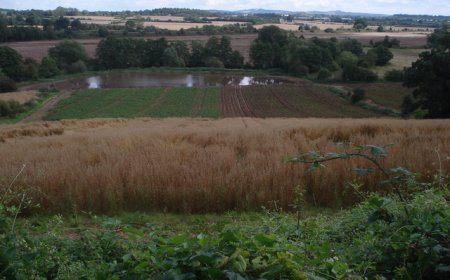
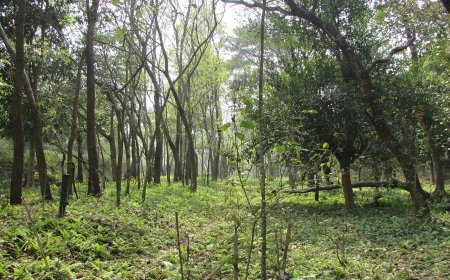
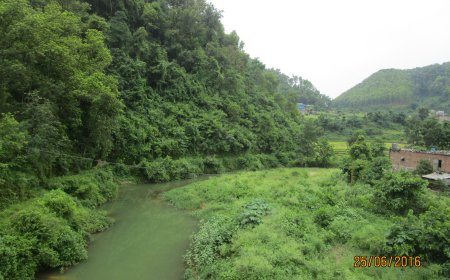
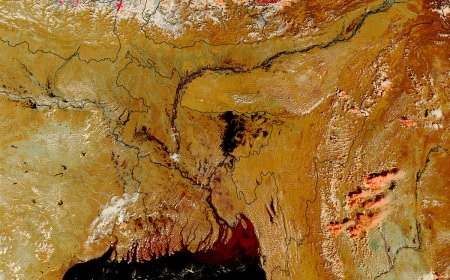
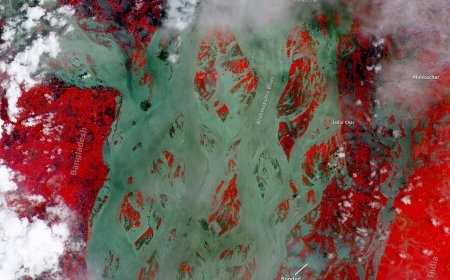
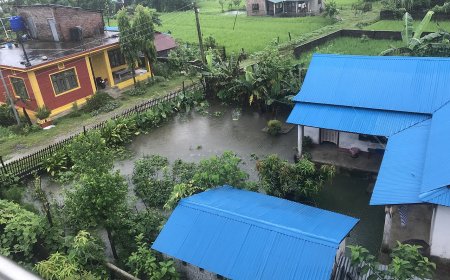
Almost all of the land is farmland, worked right up to the edge of the small market towns. Rivers coming down off the Chure range cross the district on their way to India, and they move. A stream that a village crossed easily one year can be somewhere else, or somewhere much wider, the next. In the far north the ground finally rises into the Chure hills, and the landscape changes completely within a few kilometres.
Jaleshwar, the headquarters town
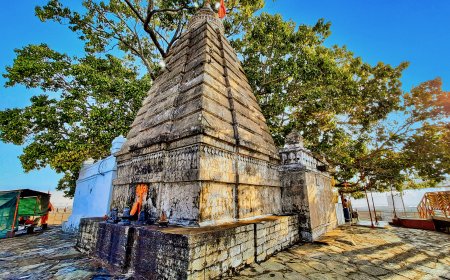
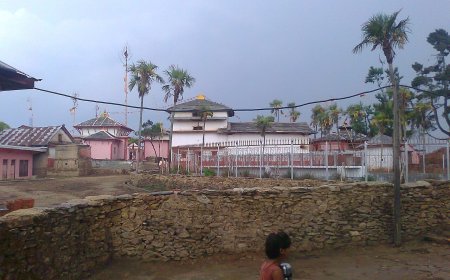
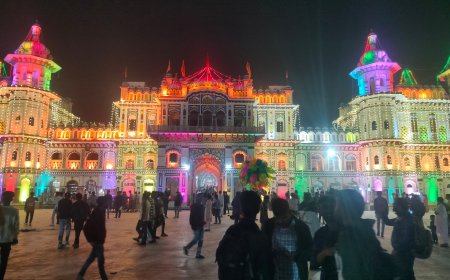
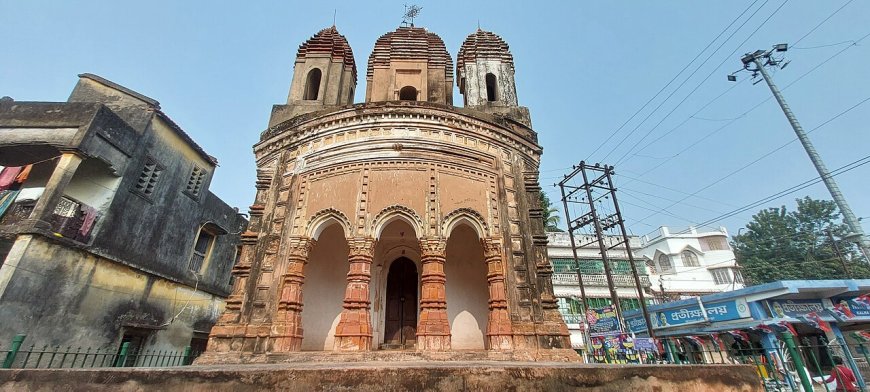
Jaleshwar, sometimes written Jaleswor, is one of the older towns in this part of the Terai. Its name is tied to the Jaleshwar Nath Mahadev temple, a Shiva temple that draws pilgrims from across the border, especially at Shivaratri. Around the temple the town keeps a distinctly Mithila character: brick houses around courtyards, painted walls, narrow bazaar lanes, and a rhythm set by morning and evening markets.
As the district headquarters, Jaleshwar holds the government offices, the main hospital and the colleges that surrounding villages depend on. It is also where the district's politics and administration concentrate, which makes it busy and, at times, tense. For a visitor it is not a sightseeing town. It is a working one.
Bardibas, the junction
Bardibas sits in the north of the district, and its importance comes from the roads. The East–West Highway runs through it, and from Bardibas the BP Koirala Highway climbs into the hills through Sindhuli towards Dhulikhel and Kathmandu. That makes Bardibas the practical door between the plains and the hills.
The result is a town built around movement. Buses, trucks, fuel stations, lodges, workshops, wholesale shops. People from Sindhuli and further north come down to trade and to use the hospitals and colleges. Bardibas has grown quickly and now has the feel of a commercial centre rather than a village that got lucky with a road.
A railway line from Jaynagar in Bihar through Janakpur has been running in stages for years, and the extension towards Bardibas has been promised and delayed repeatedly. If you are counting on it, ask locally before you plan around it.
How people make a living
Farming is the base. Paddy is the main crop, along with wheat, maize, sugarcane, jute, pulses and vegetables. Parts of the district are often described as belonging to Nepal's rice bowl, and the fields behind almost every settlement explain why. Holdings are small and fragmented, though, and the monsoon is a gamble. Floods and rivers changing course can wipe out a season's work.
Because farming alone rarely covers a household, remittances matter enormously. Young men leave for the Gulf, Malaysia and India, and the money they send back holds up a large share of homes here, as it does across much of the Terai. Alongside that there is border trade with Bihar, small rice and oil mills, brick kilns, dairy, and the countless small businesses that follow a bazaar.
Poverty and landlessness are still serious problems. Land ownership in Madhesh is unequal, and many households work land they do not own. Anyone writing about this district as a success story is skipping the harder half of it.
Language, culture and festivals
Maithili is the everyday language, historically written in the Tirhuta script and now usually in Devanagari. Nepali and Hindi are widely understood, and Bhojpuri and Urdu are also heard, particularly in the bazaars and in Muslim neighbourhoods.
Mithila painting is the district's best-known cultural export. Women have painted walls and floors for generations, and the style, with its fine line work and filled borders, has moved onto paper and cloth and become a real source of income for some families. You will see it on walls in Jaleshwar and in the villages around it.
The festival calendar is crowded. Chhath in Kartik is the biggest public event, with ghats packed at dusk and dawn. Sama Chakeva, Jitiya and Madhushravani are distinctly Mithila observances. Ram Navami and Holi are celebrated with local flavour, Eid and Ramadan are part of the year for Muslim neighbours, and Dashain and Tihar are marked as they are elsewhere in Nepal.
What people eat
Rice is the centre of the plate, with dal, seasonal vegetables and fish from the ponds and rivers. Sattu, a roasted gram flour, is a staple in hot weather. Litti with chokha, tilkor and bagiya are the snacks to look for, and dahi-chura turns up constantly. At festival time, expect thekua and malpua. The sweet shops in Jaleshwar and Bardibas are worth a stop.
When to go
October to March is the comfortable window. Winter mornings can be foggy enough to delay buses, but the days are pleasant. April, May and June are punishing, with the plains regularly crossing 40°C, and the monsoon from roughly July to September brings flooding, broken roads and long delays on the highway. If you travel in that season, check road conditions before setting out rather than after.
Getting there
Bardibas is the usual entry point. Buses run there from Kathmandu via the BP Koirala Highway, and along the East–West Highway from Janakpur and the east. The nearest airport is in Janakpur, in neighbouring Dhanusha, with flights from Kathmandu. Local transport is by bus and shared jeep, and services thin out considerably off the main roads. Crossings into Bihar are handled through the surrounding districts rather than the middle of Mahottari, so carry your documents and check the current rules.
What to expect
This is not a tourist district. There is no circuit of sights, hotels are basic, and outside Jaleshwar and Bardibas you will be finding your own way. Dress modestly, ask before photographing people or temple interiors, and don't assume English will get you far.
Come instead to understand how the Terai actually works: the agriculture, the migration, the border economy, the Mithila culture that shapes the towns. Mahottari is more interesting than its reputation suggests, as long as you are not looking for a postcard.
What's Your Reaction?