






Nepal Digital Payment Adoption 2026: UPI‑NPI Linkage, Mobile Wallets and QR Code Growth
Nepal's digital payment ecosystem is maturing rapidly. The National Payment Interface (NPI) and cross‑border UPI‑NPI links are expanding, mobile wallets are adding merchants and higher‑value use cases, and a unified QR standard is simplifying in‑person payments. Regulatory easing and 5G rollout further support adoption, while pilots in wearables, voice payments and agri‑tech hint at the next wave of innovation.

NPI momentum
The National Payment Interface (NPI) continues to gain traction as more banks join the network and the cross‑border UPI‑NPI linkage expands. Early participants have seen a noticeable rise in active users, while newer entrants benefit from simplified onboarding APIs. Telecom bundles that include UPI‑enabled SIMs are also helping drive adoption.
Mobile‑wallet landscape
eSewa and Khalti remain the largest wallets by user base, but IME Pay and ConnectIPS are closing the gap by focusing on remittance corridors and B2B invoicing. All four providers report growing merchant sign‑ups, and average transaction values are edging up as users shift from low‑value top‑ups to bill payments, school fees and e‑commerce checkouts.
QR‑code adoption
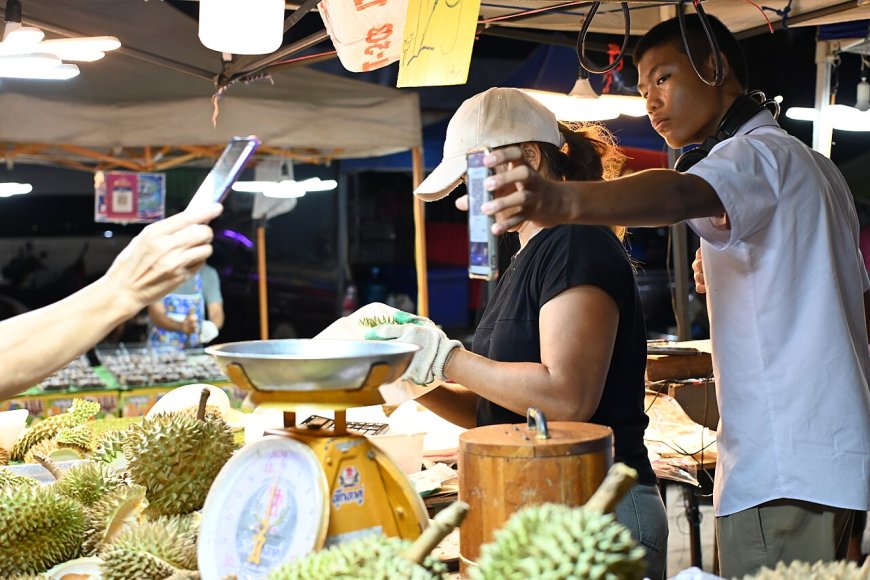
An interoperability framework from the central bank now requires licensed wallets to accept a common QR standard, reducing the hassle of scanning different codes for different apps. Retailers say the single‑code experience speeds up checkout, especially in busy markets like Asan and New Road. Transport operators in Kathmandu Valley have started piloting QR‑based fare collection on city buses, and a few highway toll plazas are testing the same technology.
Who is paying digitally?
Users aged 18‑35 in urban centres still dominate transaction counts, but recent data shows a measurable uptick among women in peri‑urban districts, driven by financial‑literacy campaigns run by cooperatives. Rural adoption remains lower but is growing where agents offer cash‑out services linked to remittance inflows.
Merchant uptake by sector
Retail continues to account for the largest share of QR transactions, while utilities such as electricity, water and internet have seen the fastest growth. Hospitality venues — restaurants, cafés and small hotels — are adding QR menus that double as payment points. A notable new use‑case is government‑service payments: land‑revenue, vehicle tax and passport fees can now be settled through wallet apps, reducing queues at district offices.
Regulatory and infrastructure shifts
The central bank has eased KYC requirements for low‑value wallets, allowing users to open a basic account with minimal documentation. It has also mandated that licensed payment service providers publish regular transaction dashboards, improving transparency. On the infrastructure side, early 5G deployment in Kathmandu and Pokhara by Ntc and Ncell has lowered latency for real‑time payment confirmations, a factor merchants cite when deciding to adopt contactless terminals.
Emerging trends
Wearable payment pilots launched by Ncell and Nepal Telecom let users tap a smartwatch at NFC‑enabled POS machines. Voice‑initiated payments are being tested in a handful of banking apps, primarily for accessibility. In the agri‑tech space, a Chitwan‑based cooperative has integrated wallet payments into its supply‑chain platform, letting farmers receive proceeds instantly after produce is graded. Logistics firms are experimenting with QR‑based proof‑of‑delivery that triggers automatic settlement between shippers and carriers.
What it means for you
If you run a shop, adding a single QR sticker now covers every major wallet. For consumers, the choice of app matters less than before — most work everywhere. Keep an eye on the wearable and voice pilots; they could become mainstream faster than the first wave of QR codes did. And if you receive remittances, ask your sender about the new cash‑out links that drop funds straight into your wallet without a visit to an agent.
What's Your Reaction?