






Nepal's 2026 Digital Payments Surge: Transaction Volumes, User Demographics, and Emerging Use-Cases
Nepal's digital payment ecosystem continued its rapid expansion in the first half of 2026, with transaction values surpassing Rs 1.2 trillion in Q2 and YoY growth near 38 percent. Core users remain aged 25‑34, while younger cohorts and rural areas are catching up. Interoperable QR standards, utility bill payments, and government disbursements drove new use‑cases, while wallet processors still lead volumes.

Transaction volumes keep climbing
According to Nepal Rastra Bank's monthly bulletins, digital payments Nepal 2026 saw transaction values cross Rs 1.2 trillion in the second quarter of 2026, putting the full year on track to exceed 2025’s total by a comfortable margin. Year‑on‑year growth in transaction volume hovered around 38 percent through June, driven mainly by QR‑code merchant payments and utility bill settlements. The same bulletins note that interoperable QR transactions — those routed through the National Payment Switch — now account for roughly one in three merchant scans, up from about 15 percent a year ago.
Who is paying digitally
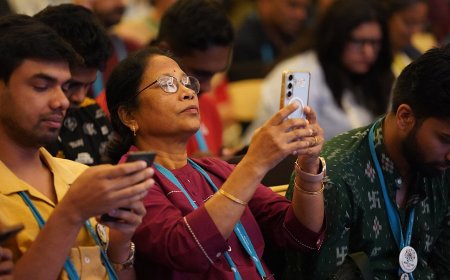
Demographic breakdowns from the NRB’s latest fintech adoption survey show a familiar but sharpening picture. Users aged 25‑34 remain the core cohort, making up 42 percent of active wallet holders. The 15‑24 bracket grew fastest, gaining six percentage points since the 2024 survey as students and gig workers rely on wallets for daily expenses. Province‑wise, Bagmati still leads in absolute numbers, but Lumbini and Gandaki narrowed the gap thanks to expanding rural agent networks and offline QR stickers at small kirana shops. Madhesh and Karnali lag in per‑capita usage, though agent‑assisted transactions there doubled compared with 2025.
New use‑cases taking hold
Three categories stood out in 2026. First, interoperable QR merchant payments: the NRB‑mandated common QR standard (NepalPay QR) reached 85 percent of registered merchants by August, letting customers scan once regardless of their wallet app. Second, utility bill settlements — electricity, water, telecom — moved decisively mobile; the Nepal Electricity Authority reported 68 percent of residential collections now digital, up from 52 percent last year. Third, government‑to‑person disbursements: the Social Security Allowance program routed over 60 percent of its quarterly payouts through eSewa, Khalti, and IME Pay wallets in Q2, cutting distribution time from weeks to days in remote districts.
Market share: wallets vs. banks
Private processors still dominate volume. eSewa holds roughly 38 percent of wallet transactions, Khalti 29 percent, IME Pay 18 percent — figures that have barely shifted since late 2025. What changed is banking channels' share of value: connectIPS and bank‑owned mobile apps captured 41 percent of high‑value transfers (>Rs 50,000), reflecting corporate and remittance flows. Smaller players like Prabhu Pay and Cellfin grew in niche segments (remittance‑linked wallets, cooperative member payouts) but remain under 5 percent combined.
Regulatory shifts in 2026
According to NRB circulars issued in March and July 2026 (Circular 02/2026 and Circular 07/2026), the simplified KYC threshold for wallet onboarding was raised from Rs 5,000 to Rs 10,000 monthly turnover, accelerating rural sign‑ups, and real‑time settlement for interoperable QR merchant payouts was mandated — previously T+1 — reducing float risk for small traders. Both followed industry consultation and align with the updated Electronic Payment Services Guidelines 2023 amendment. As per NRB guidelines, the AML reporting threshold for wallet‑to‑wallet transfers stays unchanged at Rs 100,000 daily aggregate.
Merchants seeing the uplift
A Kathmandu‑based restaurant chain with 12 outlets reported digital payments jumping from 34 percent of bills in January to 61 percent by August after adopting NepalPay QR across all tables. In Pokhara, a cooperative dairy collective cut cash‑handling costs by 22 percent by paying 400+ farmer‑members via wallet bulk disbursement. Even a municipal water office in Biratnagar cited a 40 percent drop in counter queues after pushing bill‑pay links through SMS. These aren’t isolated — processor dashboards show median merchant digital‑acceptance rates rising 18‑22 percentage points year‑over‑year in urban and peri‑urban zones.
Barriers that remain
Rural 4G coverage still hovers around 68 percent per NTA data, leaving last‑mile gaps for real‑time QR scans. Merchant discount rates (MDR) on wallet transactions — typically 1.2‑1.5 percent — deter some high‑volume low‑margin traders; NRB’s MDR review committee is expected to issue recommendations by Q4. Financial literacy campaigns, now co‑funded by processors and the central bank, expanded to 45 districts in 2026 but struggle with language diversity. Interoperability between wallet and bank apps works for QR but not yet for peer‑to‑peer transfers across platforms — a friction point NRB has flagged for the 2027 roadmap.
Outlook for late 2026 and early 2027
Looking ahead, the momentum in digital payments Nepal 2026 is likely to continue. Expect wider adoption of real‑time settlement for peer‑to‑peer transfers as NRB’s 2027 roadmap materialises, further growth in government‑to‑person disbursements via wallets, and deeper penetration of NepalPay QR in semi‑urban and rural markets. For readers interested in related trends, see our earlier overview of Nepal’s fintech landscape in 2025 and a deep dive on QR code adoption across Nepal.
What's Your Reaction?