








Annapurna Base Camp vs Poon Hill: Which Trek Should You Choose?
Poon Hill and Annapurna Base Camp suit different trips: Poon Hill is a short climb to a 3,000 m sunrise viewpoint, while ABC means a week or more sleeping above 4,000 m. This comparison covers difficulty, days needed, relative cost, seasons and crowds, plus when adding Poon Hill to an ABC route makes sense and when it doesn't.

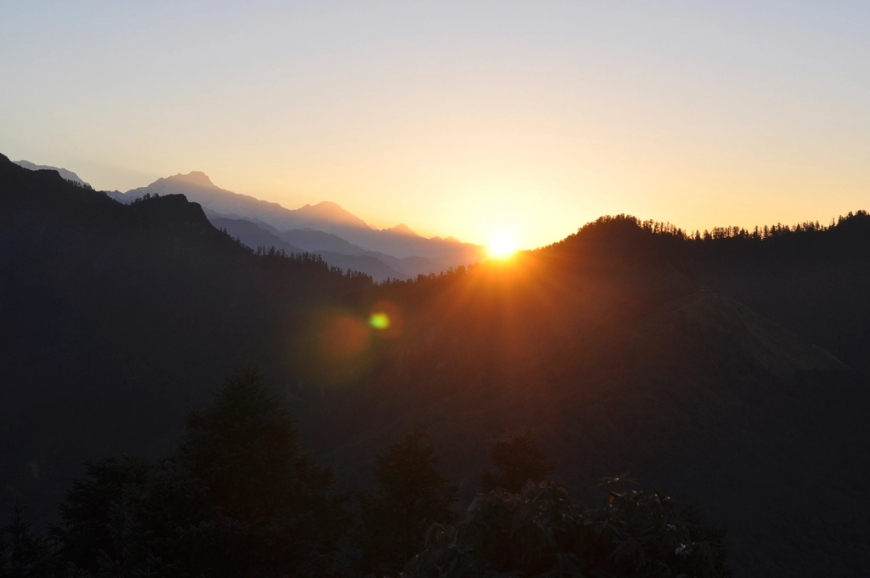
Two Annapurna treks get recommended to almost every first-time visitor to Nepal, and they are not really competing for the same person. Poon Hill is a short, steep climb to a famous sunrise viewpoint. Annapurna Base Camp is a week or more spent inside a high mountain basin, sleeping at altitude. Choosing between them comes down to how much time, cold and height you are actually signing up for.
The short answer
If you have under a week, want a real sense of achievement without sleeping high, take Poon Hill. If you have nine days or more, want to stand inside the Annapurna Sanctuary, and are comfortable with altitude and basic teahouse rooms, take ABC. If you have two weeks and decent fitness, an ABC route that swings through Poon Hill on the way is a genuinely good use of both.
Difficulty and altitude: Poon Hill vs Annapurna Base Camp
Poon Hill is short, not easy. The pre-dawn climb to the viewpoint is a long staircase of stone steps, and on a clear morning you share it with a lot of other people. The summit sits a little above 3,000 m, which is high enough that altitude illness is uncommon but not unheard of, especially if you have come up fast from Pokhara.
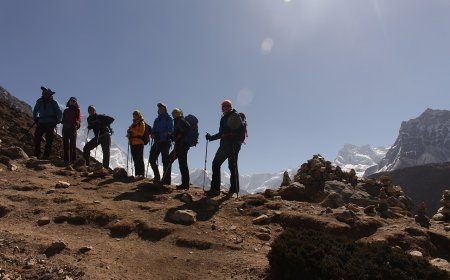
Annapurna Base Camp is a different category of walk. You gain height gradually over several days, and you sleep above 4,000 m at the base camp itself. That means cold nights, thin air, disturbed sleep for some people, and a real acclimatisation rhythm to respect. The daily walking is not technically hard. It is the duration and the altitude that wear people down. Trekkers who struggle on ABC usually struggle because they were rushed, not because the trail beat them.
How many days each one really takes
Most Poon Hill itineraries run three to five days, depending on where you start walking. Road access on that side of the region has been extended repeatedly over the years and the standard trailhead shifts with it, so confirm the current start point with a local operator before you plan transport. Our Poon Hill day-by-day breakdown shows how the walking days usually split.
ABC itineraries typically run from about seven days to twelve, and the difference is mostly about how hard the first and last days are pushed. Add-ons like Poon Hill or a slower descent stretch it further.
What each trek costs, roughly
Poon Hill is the cheaper of the two, mainly because it is shorter. The permit side of things is broadly similar for both routes since they sit in the same conservation area, so the real gap comes from more lodge nights and meals on ABC, higher prices the further you climb as menus thin out and everything has to be carried up, and a longer stretch of guide or porter wages if you hire help. You can keep the ABC bill down by walking without a porter and sticking to dal bhat, but you cannot make a ten-day trek cost like a four-day one.
Season, crowds and teahouses
Timing matters more than most comparisons admit. As of November 2026, the autumn window is closing: the comfortable weeks are nearly gone, and the next main window is spring 2027, roughly March to May. December to February is cold and snow-affected at ABC, with some lodges shutting and the trail above Chhomrong getting genuinely serious. The monsoon, June to September, brings cloud, leeches and the chance of washed-out road sections between Pokhara and the trailhead. Even in the good months, haze can swallow the sunrise you climbed Poon Hill for, which is one reason to keep a spare morning in your plan rather than betting everything on a single dawn.
In peak season Poon Hill is busy at sunrise in a way ABC is not. Past Chhomrong, the lodges thin out and the trail quiets down considerably. Neither trek is remote. Both rely on teahouses with shared bathrooms, limited charging and a menu that narrows as you gain height. Expect simpler food and colder rooms the higher you go.
Who should not choose ABC
Be honest with yourself here. Skip ABC if you have knee or ankle problems that flare on long descents, if you cannot give it at least a week, if you sleep badly above 3,500 m, or if the idea of a cold shared room for eight nights sounds like punishment rather than an adventure.
Also check the paperwork before you commit. Nepal's permit and guide requirements have changed more than once in recent years, and enforcement on some routes has tightened. An Annapurna Conservation Area entry permit is the one thing you can count on needing, but whether a registered guide is also required on your particular route depends on the current rules, so confirm fees and requirements directly with the Nepal Tourism Board or a licensed trekking agency. Do not budget from a blog post, including this one.
Adding Poon Hill to an ABC trek
If you are already walking the Ghorepani side of the region, the detour costs you roughly a day or two extra, plus one very early start. The marginal cost is a couple of extra lodge nights and meals, and possibly a jeep leg if you shorten the road section.
What it is not worth is squeezing Poon Hill into a tight ABC schedule. If your itinerary is already compressed, adding a sunrise viewpoint means cutting acclimatisation time, and that is a bad trade at altitude.
So: short trip, low altitude, big sunrise, choose Poon Hill. Longer trip, high basin, the experience of sleeping under the Annapurna wall, choose ABC. Two weeks and good legs, do both and take the extra day.
Read next: the Poon Hill day-by-day itinerary if you are leaning short, or the Annapurna Base Camp packing list if you have already decided on the sanctuary.
What's Your Reaction?