


Packing List for the Annapurna Base Camp Trek: What to Carry, Rent in Pokhara, and Leave Behind
A practical ABC trek packing list built around seasons, teahouse-by-teahouse gear changes, a weight budget worksheet and a buy-versus-rent table for Pokhara, with no brand names or fixed prices.

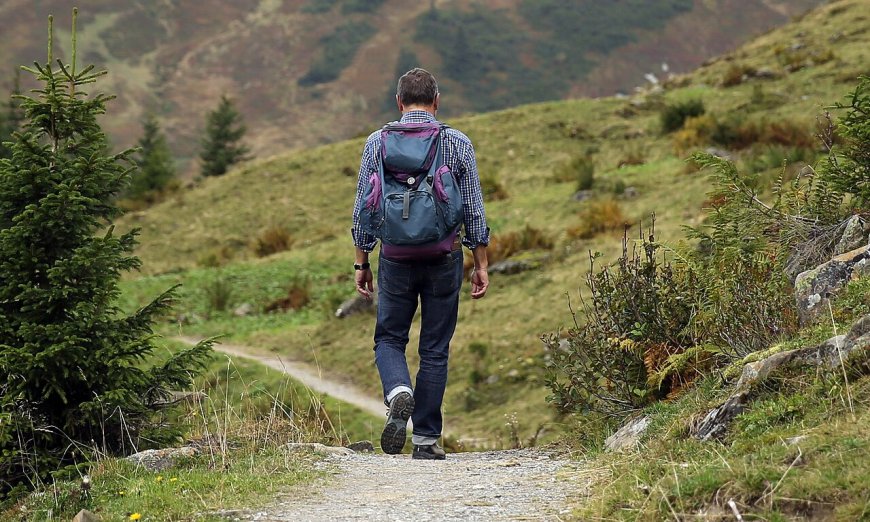
Plenty of ABC trek packing lists read like a gear catalogue. This one is built around three questions instead: what earns its weight in your bag, what you should rent in Pokhara rather than buy, and what you can leave in the hotel storage room without a second thought.
A few things to sort out before the list. Nobody checks your bag against a universal standard. What actually matters is the season you walk in, how cold you sleep, and whether you're carrying your own load or handing a duffel to an agency.
The season decides half your packing list for the Annapurna Base Camp trek
Autumn 2026 is in its final weeks as this is written, so if you're planning now, the realistic forward target is spring 2027, roughly March into May. Winter, December 2026 through February 2027, is a specialist option rather than a default, and it changes the list more than any other single variable.
Autumn (late September to November)
Usually the most stable window: clear mornings, cold nights up high, busy teahouses. You can go lighter on rain protection and heavier on sleep insulation, because rooms at altitude fill up and a decent bag is your only real warmth.
Spring (March to May)
Warmer days, more cloud, rhododendron lower down and old snow patches higher up. Afternoon cloud means early starts and a shell that stays in the top of your pack rather than the bottom. Ask in Pokhara about traction aids if you're walking early in the season.
Winter (December to February)
Genuinely cold, with snow on the upper stretches. Before committing, confirm which teahouses along the higher sections are actually open and budget extra days for weather. Add insulated bottles, warmer gloves, and a sleeping bag rated well below the temperatures you expect.
Buy versus rent: the honest split
Lakeside in Pokhara has dozens of rental shops, and a sensible ABC trek packing list leans on them hard. Trekking gear rental Pokhara runs on a simple handshake: pick the item, try it on, leave a deposit or a passport copy, agree a return date. Check zips, loft and seams before you pay, and never take anything you haven't worn for a couple of minutes in the shop.
| Item | Buy | Rent | Note |
|---|---|---|---|
| Sleeping bag | If you trek often | Yes for one trip | Check the rating, not the label |
| Down jacket | No | Yes | Try it over your fleece |
| Boots | Yes | Never | Worn in, before you fly |
| Trekking poles | Optional | Yes | Check the locks hold |
| Waterproof shell | Yes if you'll reuse it | Yes | Hood must fit over a hat |
| Socks, base layers | Yes | Never | Bring one spare dry set |
| Headlamp | Yes | Optional | You'll use it every morning |
| Traction aids, gaiters | No | Yes | Season dependent |
| Water filter or purifier | Yes | Rarely | See water section below |
What changes as you climb, teahouse by teahouse
The lower trail is warm and humid. Between the road head and Chhomrong you'll be in short sleeves by mid-morning, and a rain shell matters more than insulation. Dry bags earn their place here, because nothing dries overnight in the forest.
From Chhomrong up through Bamboo and Dobhan the valley narrows and the sun leaves early. Add a fleece mid-layer and keep one set of clothes strictly for the evening. Above Deurali the wind picks up and the last stretch to Machhapuchhre Base Camp is where people first feel under-dressed at lunch stops.
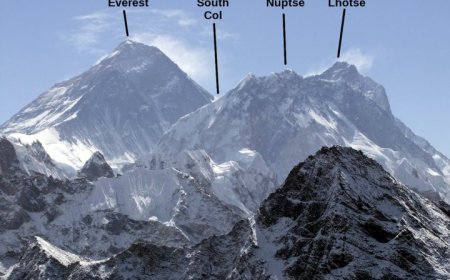
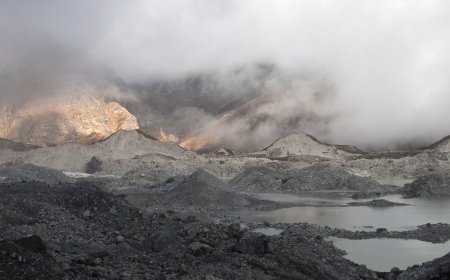
The final morning to the base camp amphitheatre, which sits just above 4,100 m, is the coldest hour of the trip. Everything goes on at once: insulated layer, shell, hat, gloves, headlamp. On the way down you'll overheat within twenty minutes, so keep a stuff sack for shedding layers.
Weight budget worksheet
Fill this in before you pack, then weigh it.
Worn on the trail: ____ kg (boots, trousers, base layer, mid-layer, shell, hat, sunglasses)
In the daypack: ____ kg (water, snacks, shell, insulation, first-aid, documents, camera)
In the duffel: ____ kg (everything else)
Total: ____ kg
If you're using an agency, take the duffel to their office and weigh it there before departure. Confirm the advertised limit in writing, and ask what happens if you're over: repack, pay an extra-load charge, or store items in Pokhara. Different agencies advertise different limits, so treat it as a contract term rather than a rule of the trail.
Water strategy on a teahouse trek in Nepal
Teahouses sell boiled water and most will refill your bottle. A filter or chemical treatment gives you a backup and cuts down on bought bottles. Cold is the real enemy here: pump filters and some hollow-fibre units can crack if water freezes inside them, so sleep with the filter, shake it out after use, and keep it inside your sleeping bag on the coldest nights. Bottle hoses freeze too, which is one argument for a wide-mouth bottle over a bladder in winter. Check current local rules on single-use plastic before you rely on buying bottled water along the route.
Permits and paperwork
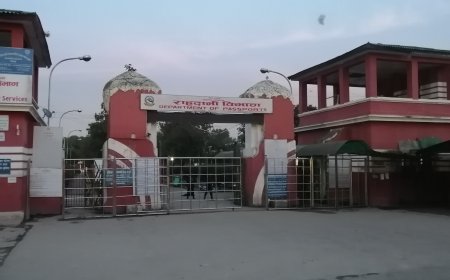
You'll need the conservation area entry permit and the trekkers' record card. Which office or counter in Pokhara issues each of these has changed over the years, so don't plan around what a blog told you in 2019. Confirm fees and counter locations in Pokhara when you arrive, and carry passport photos and copies of your passport and insurance.
Health, briefly
This is not medical advice. If you're thinking about altitude medication, discuss it with a doctor, ideally before you leave Pokhara. Know the symptoms of altitude illness, descend and seek help if you're concerned, and don't push through a bad headache to keep a schedule.
What to leave behind
Cotton jeans, a laptop, hardback books, a full toiletry bag, brand-new boots, three spare outfits you'll never wear, and anything you're only bringing because it was expensive. What you carry is what you'll resent at 4,000 m.
What's Your Reaction?