



Climbing Everest as a Beginner: An Honest Guide to the Spring 2027 Season
A realistic guide for first-time 8,000m climbers eyeing Everest in spring 2027: what 'beginner' can actually mean on the South Col route, how the permit chain works, what insurance must cover, how long training really takes, and a month-by-month calendar — with fees left to official sources rather than stale figures.

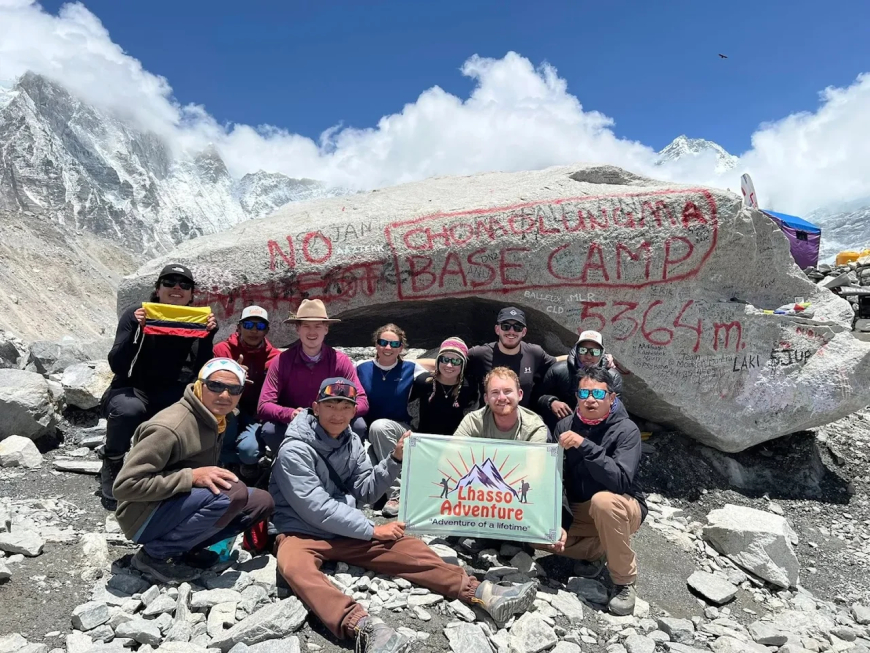
Everest is not a beginner mountain. That should be the first line of any guide aimed at newcomers, and most of them bury it under a brochure. But there is a real group of first-timers on Everest: people who have never stood on an 8,000m summit, who have a few years of hard trekking and perhaps one 6,000m peak behind them, and who want a straight answer about whether the South Col route is a sane next step.
This is written for that person. It covers the route, the experience rule, the permit chain, insurance, training and the spring 2027 calendar. What it will not do is quote you permit fees, park fees or operator prices, because those change and a stale number is worse than no number. Where a figure matters, it tells you who to check with instead.
What 'beginner' can honestly mean on Everest
You cannot arrive in Kathmandu as a fit hiker with no snow experience and get onto the South Col route with a serious operator. What you can be is a first-time 8,000m climber, and that is a different thing. The people who do well on a first Everest season usually have a deep trekking background, at least one high glaciated peak, solid rope skills and a body that has already proved it acclimatises well.
If your high-altitude experience is nil, treat Everest as a project for 2028 or 2029 and spend the next two years on 6,000m and then 7,000m objectives. That is not gatekeeping. It is the cheapest advice in this article.
The route, in plain terms
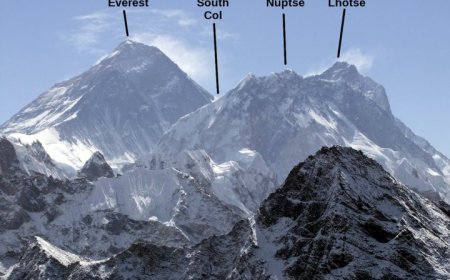
The South Col route, the standard Nepali line, runs from Base Camp through the Khumbu Icefall to Camp 1, up the Western Cwm to Camp 2, across to the base of the Lhotse Face for Camp 3, then up the face to the Yellow Band, the Geneva Spur and Camp 4 on the South Col.
Above the South Col the mountain changes character. You leave on a summit push that crosses the Balcony, the South Summit and the upper ridge, and almost everyone uses bottled oxygen from Camp 3 or Camp 4 upward. The fixed ropes above the Col are single-file in places, and on busy days a queue is a real feature of the climb rather than a rumour.
None of that is technically extreme rock climbing. It is sustained, cold, hypoxic and exposed, and it happens at altitudes where your body is failing slowly. That is the difficulty.
The experience rule
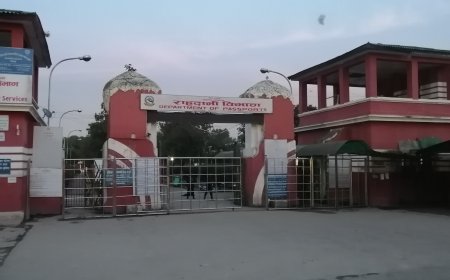
Nepal does not let anyone buy an Everest permit with a blank climbing record. The Department of Tourism, the body under the tourism ministry that handles mountaineering permits, has required documented prior high-altitude climbing experience for the 8,000m peaks, and the requirement has been tightened in recent years rather than loosened.
The exact altitude threshold, and the paperwork that proves you met it, should be confirmed with the department or your operator before you pay a deposit, because the rule has been revised more than once. Ask for the current wording in writing. An operator who waves the question away is telling you something useful about how they handle everything else.
The permit chain you will actually walk
There are several separate permissions, and first-timers are often surprised by how many.
Climbing permit. Issued by the Department of Tourism in Kathmandu, normally applied for on your behalf by your registered Nepali operator. The fee schedule differs by season and by climber nationality, and there is a refundable waste deposit attached to the permit that comes back to you when you bring your rubbish down. Ask the department or your operator for the current schedule rather than trusting a number from an old forum thread.
Sagarmatha National Park entry. Everest sits inside a national park, and you pay to enter it. This is a separate charge from the climbing permit and is collected at the park checkpoint on the way in, or in Kathmandu through your operator.
The local municipality levy. The Khumbu Pasanglhamu Rural Municipality collects its own fee from everyone heading up the valley, trekkers included. It is a local government charge, not a national one, which is why it does not appear in trekking blogs written a decade ago.
Rates for all three change. Budget for the fact of them and get the figures from the department and your operator in the same email, dated.
Insurance is where first-timers get caught
A standard travel policy will not save you here. Read three things before you pay.
First, does the policy cover mountaineering at all, and to what altitude? Many ordinary travel policies stop covering climbing above a stated ceiling, often around the 6,000m mark, which is well below Camp 2.
Second, does it cover helicopter evacuation from the Khumbu, and does that cover include rescue from Base Camp or higher? Evacuation from altitude is expensive and some policies cover treatment but not the flight out.
Third, what authorisation is required before a helicopter is dispatched? Insurers usually want a call first, and in the mountains that call may not be possible. Know the procedure in advance and carry the emergency number on paper.
Training, with an honest timeline
Twelve months is the minimum worth attempting from a standing start, and eighteen is better. What that year looks like matters less than consistency.
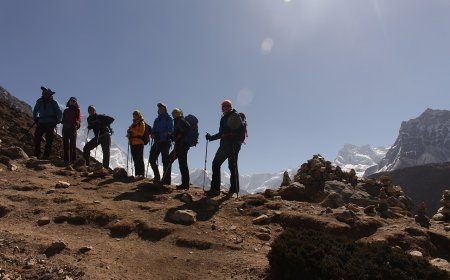
Build an aerobic base with long days carrying a weighted pack on hills. Add strength work for legs, hips and core, because the Lhotse Face is a long grind under load. Get comfortable on steep snow and ice in crampons, on fixed ropes with an ascender and descender, and crossing ladders while roped up, since the Icefall is a moving maze of them.
Then test yourself on a real peak. A guided 6,000m climb somewhere with genuine altitude and weather will tell you more about your Everest chances than any gym programme. If you come off it wrecked, take that seriously.
What it costs, and why there is no number here
Quoting a total would be irresponsible. What can be listed honestly are the components: the climbing permit and its waste deposit, national park and municipality fees, the operator's guiding fee, Sherpa support, bottled oxygen and masks, high-altitude boots and down suits, personal kit, insurance, flights to Nepal, the Lukla flight or transfer, accommodation and food in Kathmandu, tips, and a training expedition beforehand.
Each of those varies enormously by operator and by how much comfort you want. Cheap teams cut corners somewhere, and on Everest the corners tend to be oxygen, Sherpa ratios and weather decisions. Ask exactly what is included in writing, including how many bottles of oxygen and how many climbing Sherpas per client.
Risk, without the theatre
The hazards are not hypothetical. The Khumbu Icefall moves and collapses; an icefall avalanche in 2014 and the earthquake-triggered avalanche in 2015 both struck the route and Base Camp. Seracs fall from the Lhotse Face. Altitude illness, frostbite and pulmonary oedema take people off the mountain every season, and weather can close the summit window to a few short days.
What you control is preparation, acclimatisation discipline, honest self-assessment, oxygen supply and the judgement of the team around you. What you cannot control is the mountain. Anyone who promises you a summit is selling something.
Your spring 2027 calendar
Spring is the main Everest season in Nepal, running from April into late May, with the summit window usually arriving in the second half of May before the jet stream shifts. Autumn has a window too; spring is busier and generally more forgiving on weather.
Working back from that:
Now to December 2026: choose an operator, confirm the experience-rule paperwork, get an insurance quote that actually covers you, and start the training block. Good teams fill their spring rosters early, so this is later than ideal already.
January to February 2027: strength phase, gear sorted, medical and dental checks done, vaccinations current.
March 2027: final logistics, flights booked, kit laid out and checked against the operator's list, any last training trip completed.
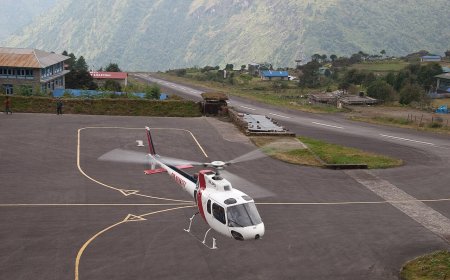
Late March to early April: arrive Kathmandu, permit formalities, then fly or transfer to Lukla. In peak season flights sometimes run from Manthali rather than Kathmandu, which adds a road transfer.
April: the walk in to Base Camp, which takes the better part of a week and a half at trekking pace with rest days, then the first rotations up to Camp 1 and Camp 2.
May: acclimatisation climbs, waiting for the window, summit push, descent, and the walk out.
The straight answer
If you are fit, have real mountain experience and a year to prepare properly, a first 8,000m season on the South Col route is a serious but reachable goal, and spring 2027 is not unrealistic. If Everest would be your first snow climb, it is not a beginner's mountain and no guide who tells you otherwise is doing you a favour. Start lower, come back stronger, and check every fee and rule at the source before you send anyone a deposit.
What's Your Reaction?