




Sherpas on Everest: What the Job Involves, and Who Counts
A clear-eyed guide to what the word "Sherpa" means on Everest: an ethnic identity rooted in the Khumbu, and separately a set of expedition jobs that many non-Sherpa Nepalis also do. Covers the career ladder from kitchen work to sirdar, the Icefall Doctors who build the route, the puja that opens a season, how pay and insurance are structured (without quoting unreliable figures), and the risk that high-altitude workers carry on everyone else's behalf. [Ed note: the internal link points at /solukhumbu/ — confirm the live slug before publishing.

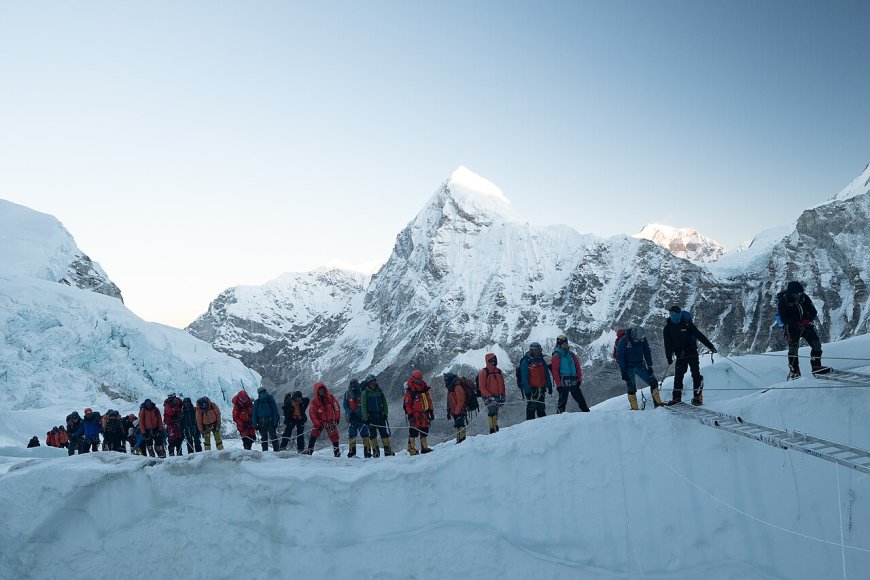
Most people outside Nepal meet the word "Sherpa" attached to a job: the climber who carries the rope, stacks supplies at Camp Two, boils water for tea above base camp. Inside Nepal, and especially in the Khumbu, the same word is an ethnic identity that has nothing to do with any expedition. Both uses are correct. Mixing them up is where a lot of writing about Everest goes wrong.
Who the Sherpas are
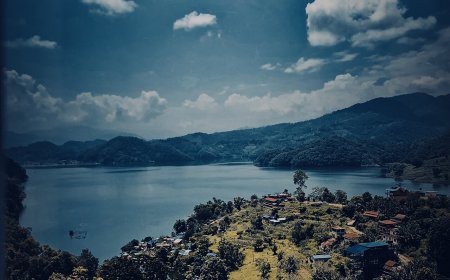
The Sherpa are one of Nepal's recognised ethnic groups, with their heartland in the Khumbu, the high valleys south of Everest in Solukhumbu district. Namche Bazaar, Khumjung, Thame and Tengboche are Sherpa villages. The community's own histories trace its arrival from Kham in eastern Tibet. Sherpa families also live across the border in Tibet, in Indian hill towns such as Darjeeling, and in growing numbers in Kathmandu, but the Khumbu is where the identity is anchored. The Sherpa language is Tibetic, and most Sherpa people also speak Nepali.
That identity matters for what follows. Not every high-altitude worker on Everest is Sherpa. Rai, Tamang and Gurung climbers, among others, do the same jobs on the same routes. "Sherpa" used as a job title is shorthand for a role, and treating it as the name of a labouring community is both inaccurate and, to many Nepalis, grating.
Where the name comes from
"Sherpa" is usually explained through Tibetan: shar, east, plus pa, a people or a dweller, so "people of the east". It is a Tibetan etymology, not an English translation, and it points at origin rather than at work. Nothing in the word describes carrying loads.
The ladder: kitchen, base camp, climbing, sirdar
Expedition work is not one job. It is a set of roles with a rough order to them. Many people start in the kitchen or on base-camp staff, learning how a large expedition runs: food, fuel, loads, radios, the logistics that keep a busy base camp functioning. From there, someone strong, reliable and calm moves onto the mountain as a climbing Sherpa.
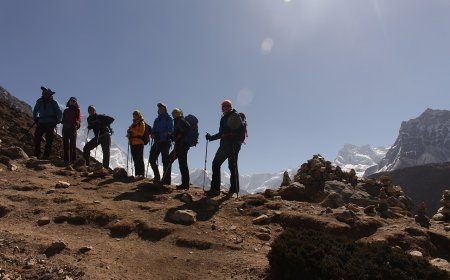
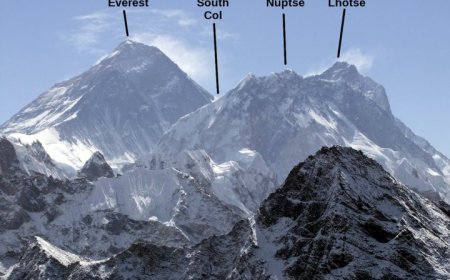
Climbing Sherpas work the fixed ropes above base camp. They carry oxygen and supplies, stock Camps One to Four, escort clients up the Lhotse Face and through the Khumbu Icefall, and watch for the early signs of altitude illness. The step above that is the sirdar, who leads the Sherpa team for an operator: assigning loads, deciding who goes where, and carrying the responsibility when weather or conditions change the plan. There is no single certificate that makes someone a climbing Sherpa. Nepal does run guide training and licensing, and the requirements have been revised more than once, but no document on its own puts a person on a rope team. Progression runs on reputation, trust, and years of being the person others want beside them.
The standing behind it has a long history. Tenzing Norgay reached the summit with Edmund Hillary on 29 May 1953, as part of the British expedition led by John Hunt, and Sherpa climbing staff have been measured against that ascent ever since.
The route is built by a small team
Someone has to make the way possible before clients arrive. The Khumbu Icefall route, ladders and fixed ropes included, is set and maintained each spring by the "Icefall Doctors", a small team of experienced climbers working under the Sagarmatha Pollution Control Committee (SPCC), a Nepali non-governmental organisation based in the Khumbu.
Puja: ritual as part of the working day
Before a team goes above base camp, there is a puja. A lama from a nearby monastery leads prayers, equipment is blessed, offerings are made, and climbing staff and clients stand in the same circle. It is how a season begins, not a performance laid on for visitors, and it belongs to the same religious calendar that shapes the Khumbu year. Mani Rimdu, the best known of the region's festivals, is held annually in autumn, usually October to November, at Tengboche Monastery.
Pay and insurance: the structure, not the numbers
Climbing Sherpa remuneration is generally described as a package rather than a wage: a season payment, a summit bonus, kit or gear provided by the operator, and tips from clients. This article gives no amounts. Published Everest wage figures are inconsistent, quickly out of date and almost never traceable back to an employer's own terms. The same caution applies to permit fees and summit tallies, which get repeated for years without the date anyone last checked them. Where a number matters, take it from the body that issues it, or from reporting that names its source. The components of the package are the useful part here.
Insurance is the other structural element. Operators commonly stipulate insurance as a condition of employment for climbing staff, and the terms sit in a contract rather than in mountain folklore. What a policy pays, and to whom, is not something worth repeating secondhand.
Who absorbs the risk
The job description usually stops at what a climbing Sherpa does. It says less about what the work costs. Climbing staff typically spend far longer above base camp than the clients do, make more trips through the Icefall, and are the ones who head back up when somebody is in trouble. Frostbite, altitude illness, falls and serac collapse are the standing hazards, and they are faced mostly by the people being paid to be there. The April 2014 icefall avalanche killed 16 Nepali workers, most of them Sherpas employed by expedition operators, and it led many teams to abandon that season.
Rescue at altitude falls largely to the same people. A client who cannot descend is usually brought down by the staff employed to climb with them, sometimes by whoever else is in reach. Figures for deaths and injuries among high-altitude workers are hard to assemble: tallies that circulate often fail to separate staff from clients and rarely say what period they cover. That is a reason to handle the numbers carefully, not a reason to leave the subject out.
Porter, climbing Sherpa, sirdar: not interchangeable
A porter carries loads. A climbing Sherpa carries loads and also works the route, handles fixed ropes, supports clients and takes decisions above base camp. A sirdar runs the team. The differences are about responsibility, and they are the reason the words should not be swapped around, whatever the old habit of calling every worker on the mountain "the Sherpa".
What's Your Reaction?