








Unlocking micro hydropower Nepal: A Phased Roadmap for Remote Valleys
This article outlines a phased roadmap for developing micro hydropower in Nepal’s remote valleys, highlighting feasibility, community ownership, financing, policy support, economic benefits, and environmental impacts.

Unlocking micro hydropower Nepal: A Phased Roadmap for Remote Valleys
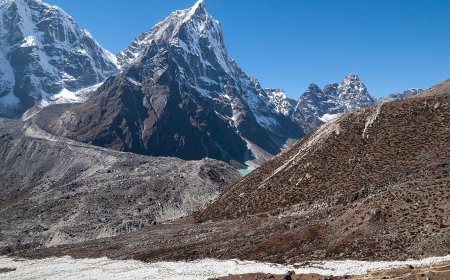
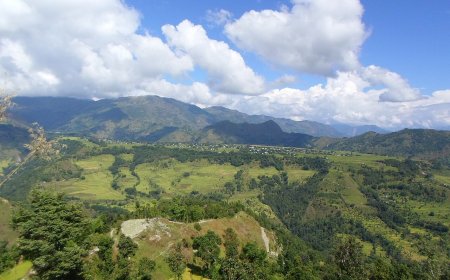
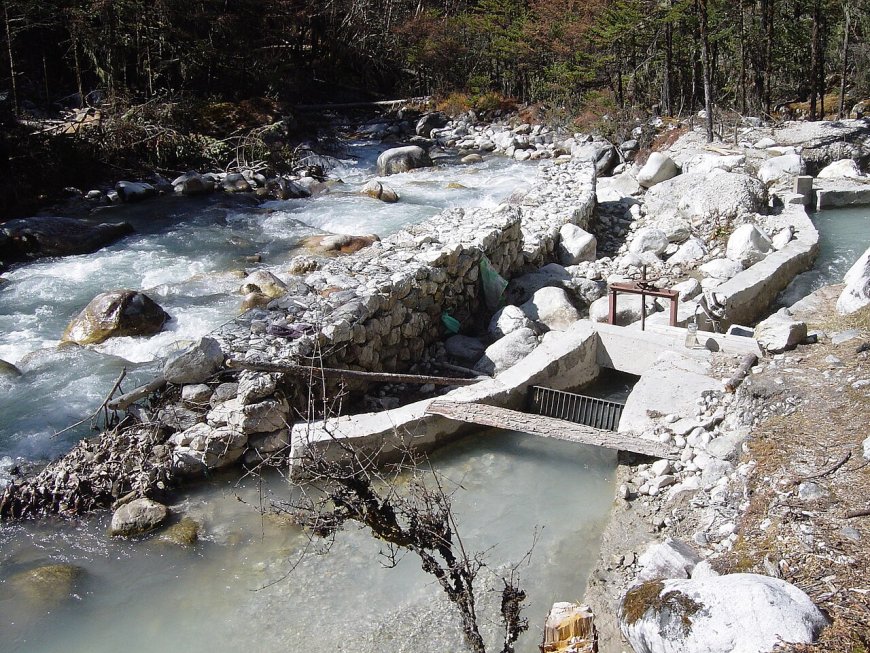
Micro hydropower Nepal offers a realistic path to bring clean electricity to villages that lie far from the national grid. The 2023 Ministry of Water Resources & Irrigation mapping report estimates that each remote valley could have 1‑5 MW of viable micro‑hydropower potential (see https://www.mowri.gov.np/reports/2023-micro-hydro-potential.pdf). Remote valleys across Nepal often lack reliable power, forcing households to rely on costly diesel generators or kerosene lamps. Micro hydropower presents a locally driven solution that can harness the country’s abundant water resources while fostering community ownership and sustainable development.
Phased implementation roadmap
Feasibility study – 6‑12 months
First, a technical and socio‑economic feasibility study is carried out. This phase typically lasts six to twelve months, allowing teams to map water resources, assess site conditions, and estimate generation capacity.
Cooperative formation – 3‑6 months
Next, locals organize a legally registered micro‑hydro cooperative. The process, which can be completed in three to six months, ensures community ownership and transparent governance.
Financing & grant applications – 12‑18 months
Securing funds follows. Applicants prepare project proposals, apply for government subsidies, and tap into international climate funds. This step generally takes twelve to eighteen months, depending on the readiness of documentation.
Pilot plant construction – 12‑18 months
With financing in place, the pilot plant is built. Construction timelines range from twelve to eighteen months, covering civil works, turbine installation, and grid connection.
Scale‑up and replication – 2‑3 years
Finally, successful pilots enable scale‑up. Over the next two to three years, additional valleys can replicate the model, expanding renewable coverage across the country.
Community ownership and financing
Micro hydropower Nepal thrives when communities hold equity in the cooperative. Revenue is shared according to a transparent formula, often allocating a fixed percentage to the village fund and the remainder to members. This model aligns with the Rural Energy Program, which encourages community‑driven renewable projects.
Policy and financing context
The initiative fits within Nepal’s National Renewable Energy Policy 2018, which promotes decentralized renewable generation. Eligible projects can access the Green Climate Fund and World Bank financing schemes, providing low‑interest loans and technical assistance (https://www.nreap.gov.np).
Economic and environmental benefits
Each megawatt of micro‑hydro typically creates around 15 direct jobs, according to the Nepal Electricity Authority’s 2022 Rural Energy Report (https://www.nea.gov.np/reports/2022-rural-energy.pdf). The same report indicates that a 1 MW plant can generate roughly NPR 15 million in annual revenue (NEA, 2022). Lifecycle analyses show that micro‑hydro avoids about 0.05 tCO₂ per MWh, a figure verified by IRENA’s 2023 global review (https://www.irena.org/publications/2023).
Challenges and mitigation
Remote valleys often face difficult terrain, limited road access, and seasonal water flow variations that can affect turbine performance. Engineers mitigate these risks by conducting detailed hydrological studies, selecting run‑of‑river designs, and installing flow‑regulation structures. Community training programs also ensure local operators can handle minor maintenance, reducing downtime.
Financial hurdles remain, especially for cooperatives without prior credit history. To address this, the government offers guarantee schemes and micro‑finance packages, while development partners provide technical assistance during the financing phase. These supports have been shown to increase project completion rates in similar rural settings.
Social and environmental impact
Beyond electricity, micro‑hydro projects generate steady income for households, enabling families to invest in education, health, and small businesses. The revenue‑sharing model ensures that a portion of each month’s earnings is reinvested in local infrastructure, such as schools or clean‑water facilities, strengthening community resilience.
Environmentally, the clean energy output avoids thousands of tonnes of CO₂ annually, contributing to Nepal’s climate commitments under the Paris Agreement. Reduced reliance on diesel generators also lowers air pollution, improving public health in remote villages.
Conclusion
By following a realistic phased roadmap, leveraging community financing, and tapping available policy incentives, micro hydropower Nepal can transform remote valleys into hubs of sustainable energy, create jobs, and reduce carbon emissions while empowering local people.
What's Your Reaction?