







How to Prepare Your Body for a Mount Everest Climb: A Phase-by-Phase Guide
A phase‑by‑phase physical preparation guide for climbing Mount Everest, aligned with a spring 2027 summit window. Covers aerobic base building, strength, altitude‑specific conditioning, tapering, on‑mountain strategy, altitude‑illness safety, and a compressed‑timeline option. Emphasizes medical consultation, conservative progression, and verification of current permit and logistics requirements.

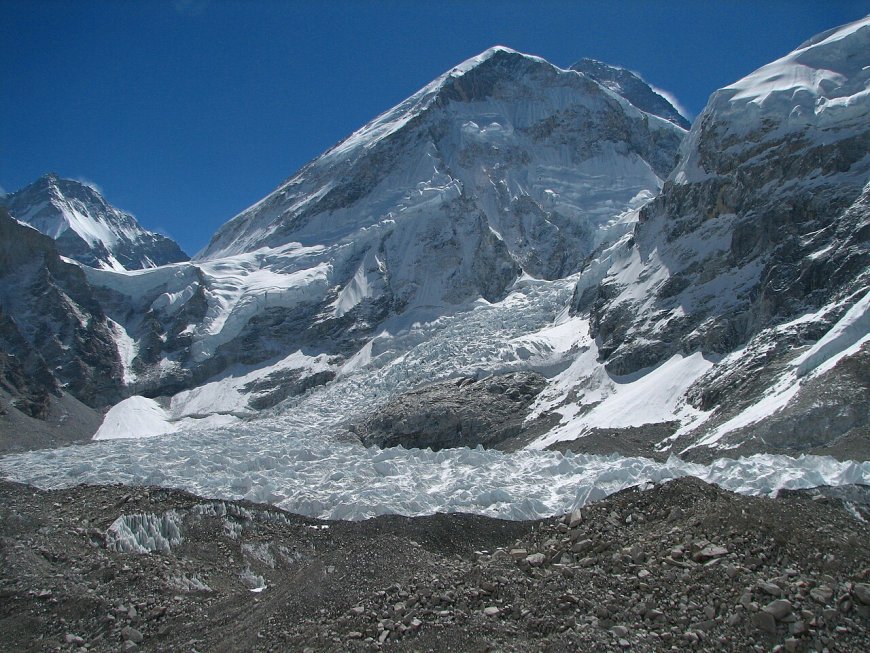
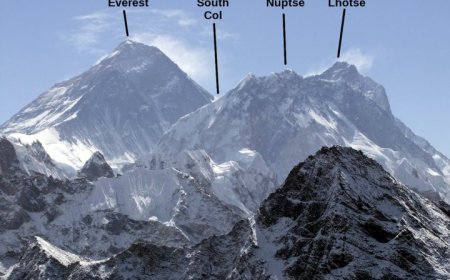
Standing at 8,848.86 meters — a figure agreed on by Nepal and China in December 2020 — Everest demands more than determination. The mountain tests every system in the human body: cardiovascular, respiratory, muscular, neurological, and psychological. Most climbers who reach the summit spend months, sometimes years, building the capacity to survive in an environment where oxygen pressure is roughly one‑third of sea level. This guide lays out a structured, physiology‑first approach to that preparation, organized around the calendar window that leads to a spring 2027 attempt.
Understanding the physiological challenge
Above roughly 8,000 meters — a convention in climbing and altitude physiology, not an official boundary — the body cannot acclimatize indefinitely. Even with weeks of gradual ascent, arterial oxygen saturation drops to levels that would be considered critical in a hospital setting. The heart works harder, breathing becomes a conscious effort, and cognitive function declines. Training for Everest is essentially training to delay the onset of those deficits long enough to climb and descend safely.
Key adaptations include increased red‑cell mass, improved capillary density in skeletal muscle, enhanced mitochondrial efficiency, and a ventilatory response that kicks in earlier and stronger. These changes take consistent stimulus over months. Shortcuts — such as intermittent hypoxic exposure without a structured plan — carry real risk and are not necessary for most climbers. If you consider hypoxic training, consult a clinician first; no brand or protocol is endorsed here.
Phase 0: Foundation (November–December 2026)
This phase starts now. The goal is to establish a baseline of aerobic volume, structural strength, and movement quality without overreaching. Think of it as building the chassis before adding the engine.
Aerobic base
Three to four weekly sessions of low‑intensity, long‑duration work — hiking with a weighted pack, running on trails, cycling, or ski touring — at a conversational pace. Heart rate should stay below the first ventilatory threshold (roughly the top of zone 2 in a five‑zone model). Duration builds from 90 minutes to three hours over eight weeks.
Strength and resilience
Two full‑body sessions per week. Focus on compound movements: goblet squats, deadlift variations, step‑ups, loaded carries, pull‑ups, and core stability work. Sets of 5–8 reps with moderate load, emphasizing control. Tendons and ligaments adapt slower than muscle; give them time.
Mobility and injury proofing
Daily 10‑minute routines targeting ankle dorsiflexion, hip extension, thoracic rotation, and shoulder overhead range. Small deficits here become large problems when you’re exhausted at 7,000 meters.
Phase 1: Specific capacity (November 2026 – January 2027)
Now the training starts to look like climbing. Volume remains high, but intensity and specificity increase.
Long, heavy hikes
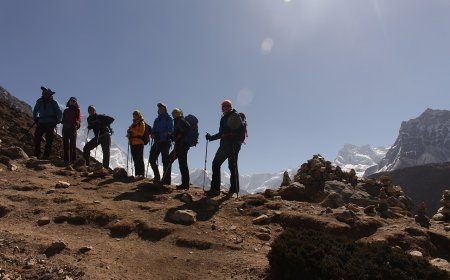
One weekly hike of 4–6 hours carrying 15–20 kg, ideally on terrain with significant elevation gain and loss. If mountains aren’t accessible, use stair repeats, inclined treadmill, or a step mill. The pack weight should feel manageable, not crushing.
Interval work
One session per week of longer intervals: 4 x 8 minutes at a pace you could hold for about an hour, with 3 minutes recovery. This raises the second ventilatory threshold, allowing you to work harder before lactate accumulates.
Strength maintenance
Continue two weekly sessions but shift toward power and eccentric control: box step‑downs, tempo lunges, single‑leg Romanian deadlifts. Keep loads moderate; the aim is durability, not maximal force.
Phase 2: High‑intensity simulation (February – March 2027)
This is the hardest block. Training load peaks, and recovery becomes a discipline in itself.
Back‑to‑back long days
Once every two weeks, simulate expedition days: a 5‑hour hike with 20 kg on Saturday, followed by a 3‑hour hike with 15 kg on Sunday. Nutrition and hydration during these efforts practice what you’ll do on the mountain.
Short, sharp intervals
One weekly session of 6–8 x 3 minutes at a pace sustainable for 20–30 minutes, with 2 minutes recovery. This sharpens the ability to sustain high output in thin air.
Altitude exposure (if feasible)
If you can spend a weekend at 3,000–4,000 meters, do it. Sleep high, train moderate. Even a few nights trigger erythropoietin response. Don’t force it; travel fatigue can outweigh benefit.
Phase 3: Taper and final sharpening (late March – early April 2027)
Volume drops 40–50%, intensity stays. The goal is to arrive at base camp fresh, not fried.
Reduced volume, kept intensity
Keep one interval session and one moderate hike per week. Cut the long back‑to‑back weekends. Strength sessions become once weekly, light, focusing on movement quality.
Logistics and gear rehearsal
Practice packing, layering systems, stove use, and hydration strategies in cold conditions. Sleep in your expedition sleeping bag a few nights. Dial in nutrition: know what gels, bars, and real foods sit well at altitude.
Phase 4: On the mountain (April – May 2027)
Preparation meets reality. The rotation schedule — climbing higher, sleeping lower — is the final stimulus. Stick to the acclimatization plan your operator provides. Push‑days are dictated by weather and team dynamics, not ego.
Key habits: hydrate early and often, eat carbohydrates at every stop, monitor breathing rate and heart rate recovery, communicate symptoms immediately. Summit day is not the place to discover a gear failure or a nutrition gap.
Altitude safety: non‑negotiables
Acute mountain sickness, high‑altitude cerebral edema, and high‑altitude pulmonary edema are medical emergencies. Know the Lake Louise scoring system. Carry dexamethasone, nifedipine, and supplemental oxygen if your operator includes them. Descend at the first sign of neurological deficit or worsening breathlessness at rest. No summit is worth a life.
Compressed timeline: if you’re starting late
Life interferes. If you have fewer than six months, prioritize aerobic volume and pack‑weight hiking over high‑intensity intervals. Accept that your margin for error shrinks. Choose an operator with a conservative rotation schedule and extra acclimatization days. Be honest with yourself and your team about readiness.
Medical and administrative notes
This article provides general information, not medical advice. Consult a physician familiar with high‑altitude medicine before undertaking any training program or expedition. Permit procedures, fees, liaison officer requirements, national park entry, waste deposits, and insurance requirements change; verify current details with the Department of Tourism Nepal and a reputable expedition operator.
Editorial review: This content has been reviewed for general accuracy and safety considerations. Individual medical clearance is essential.
What's Your Reaction?