













Singapore Work Pass Types for Nepali Workers: Work Permit, S Pass or Employment Pass — Who Decides What
Singapore work passes for Nepali workers — Work Permit, S Pass, Employment Pass — are controlled by three separate gates: the employer who files the application, MOM who decides eligibility, and Nepal's own clearance process. This article explains each gate, links to official MOM and ICA pages, and lists practical questions to ask any recruiter before paying.

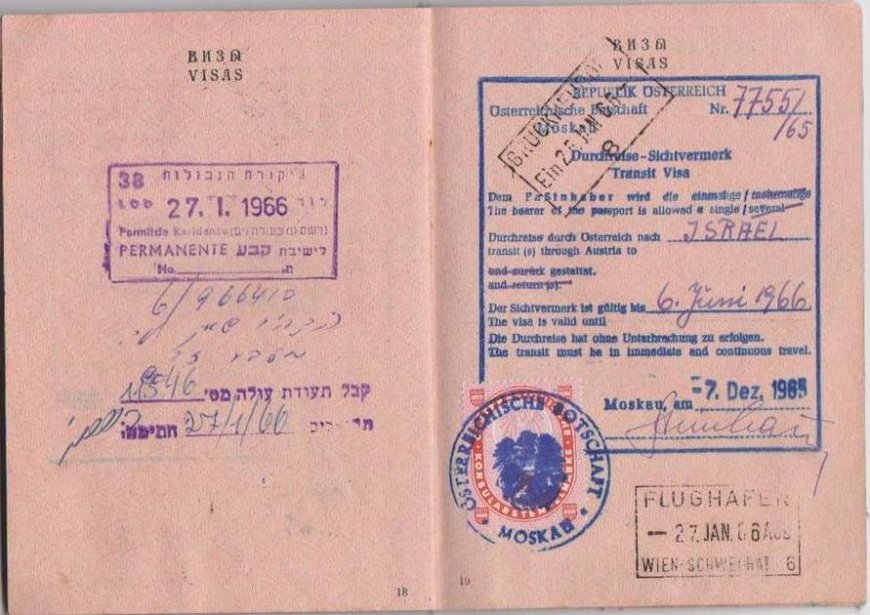
Three pass names come up again and again when Nepali workers look at Singapore: Work Permit, S Pass, Employment Pass. The names sound like rungs on a ladder, and a lot of recruitment content presents them that way. It is more useful to think of them as three separate doors, each with a different gatekeeper, and each with someone other than the applicant holding the handle.
First, a visa is not a pass
A visa gets you to the counter. A work pass is what lets you stay and work legally after you arrive. They are issued by different agencies for different reasons, and holding one tells you nothing about whether you will get the other.
Whether a Nepali passport holder needs a visa to enter Singapore at all is decided by the Immigration & Checkpoints Authority (ICA). Check ICA's own visa requirements page for your case rather than a recruitment post. A consultant who promises "visa plus job" in one breath is blending two separate approvals that neither they nor you control.
Who actually decides: the three gatekeepers
Work pass applications in Singapore are employer‑led. In practice the employing company files the application with the Ministry of Manpower (MOM), and the pass is issued tied to that employer. This single fact rearranges most of the advice floating around on social media. You are not applying for a Singapore work pass as an individual in the way you apply for a passport. You are being named in someone else's application.
The employer holds the first switch
No employer, no application. The company decides whether to offer you the job, which pass it will apply under, and whether it will keep going if MOM asks for more documents. MOM employer application is not a formality you can route around through an agent. If an agent says they will "apply for your pass", ask who the employing company is, in writing, before any money changes hands.
MOM holds the eligibility decision
MOM decides whether the application meets the rules in force on the day it is assessed. Those rules differ by pass, and the criteria are published on MOM's own pages. No agency, consultant or well‑wisher can guarantee approval, because the decision is not theirs to make.
The Nepal side holds a separate gate
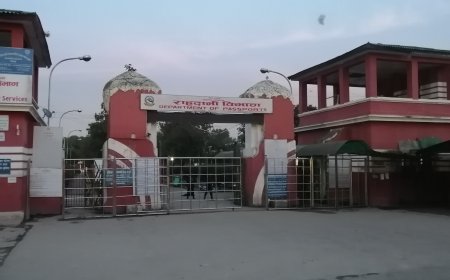
Nepali citizens going abroad for work normally pass through a government clearance step on the Nepal side as well, separate from anything Singapore decides. The institution that handles this and the name of the process have changed over the years, and we are not going to describe steps or fees we have not verified against an official government source. Look up the ministry responsible for labour and employment on an official .gov.np site before you rely on any agency's description of the paperwork. (No bilateral arrangement between Nepal and Singapore has been documented in a primary source.)
Work Permit in Singapore for Nepali workers
The Work Permit is the pass most Nepali workers you'll meet in Singapore are on. It is sector‑specific: the pass is tied to a named employer and to the sector that employer operates in, which is why changing jobs is not simply a matter of handing in notice. It is also the pass with the tightest employer‑side obligations, including rules on housing and medical insurance that the employer, not the worker, is responsible for meeting. Current eligibility details are on MOM's Work Permit page.
Because the pass belongs to the employer's application, a Work Permit holder's ability to move is limited by what the next employer is willing to file. That is worth understanding before you sign anything.
S Pass requirements: the middle door
The S Pass sits between the Work Permit and the Employment Pass, for mid‑skilled staff. MOM sets both a qualifying salary and a company‑level quota for S Pass holders, and both are adjusted periodically. The quota part matters more than most workers realise: a perfectly qualified candidate can fail because the employer has already used up its share of S Pass slots, or because the sector the company sits in has different rules. Check the latest criteria on MOM's S Pass page before you plan around them.
So when someone tells you the S Pass is "easier" than an Employment Pass, the honest answer is that it depends on the employer's headcount position as much as on your CV.
Employment Pass for Nepali professionals in Singapore
The Employment Pass covers managers, executives and professionals. MOM assesses applications against a qualifying salary and the COMPASS points‑based framework, which scores the firm's workforce profile and nationality mix. Separately, the Fair Consideration Framework requires the employer to advertise the role locally first. The detailed criteria are on MOM's Employment Pass page.
The trap here is assuming that a higher pass means less employer dependency. It does not. The company still files, still supplies the documents, and still decides whether to keep the application alive.
Questions to ask before you pay anyone
These are consumer questions, not accusations. Any legitimate recruiter should be comfortable answering them.
- Who is the employing company, and can I have the company name in writing?
- Which pass are you proposing, and can you send me the MOM page for it?
- Who files the application, and will I see the submitted details before it goes in?
- What happens to my money if MOM rejects it? What is the refund policy, in writing?
Patterns that should slow you down: a guarantee of approval, a request to state a salary or job title that is not the real one (false information in a work pass application is an offence in Singapore), large payments before a written contract exists, and an agent who cannot or will not name the employer.
If you take one thing from this page, take the ordering. The employer decides whether to file, MOM decides whether to approve, and the Nepal side runs its own gate that neither of the other two can waive for you.
Related reading: Nepali Workers in Singapore: A Practical Guide | Legal Steps for Working Abroad from Nepal
What's Your Reaction?